
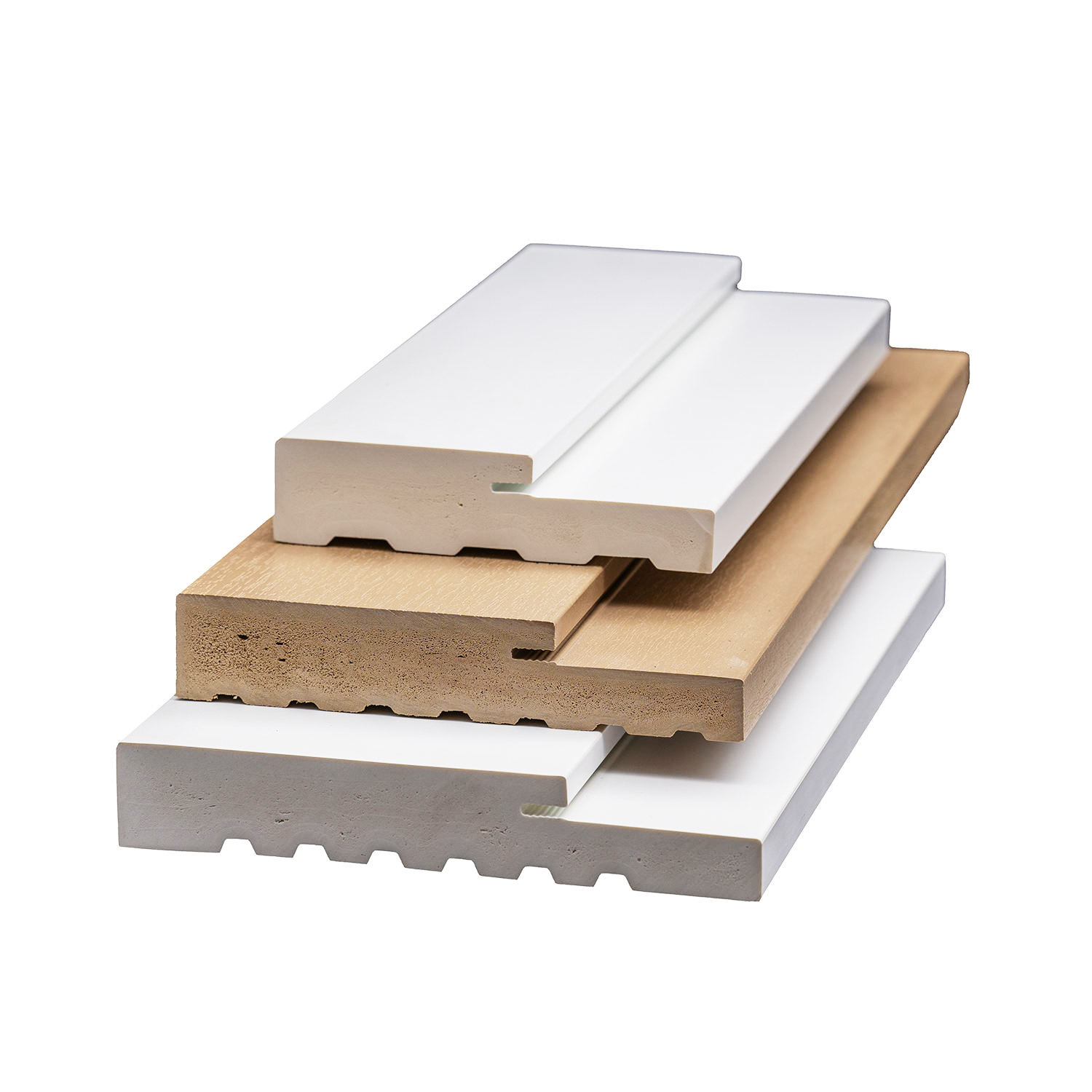
Reinforced Security WPC Door | Front Entry Door Curb Appeal & Safety
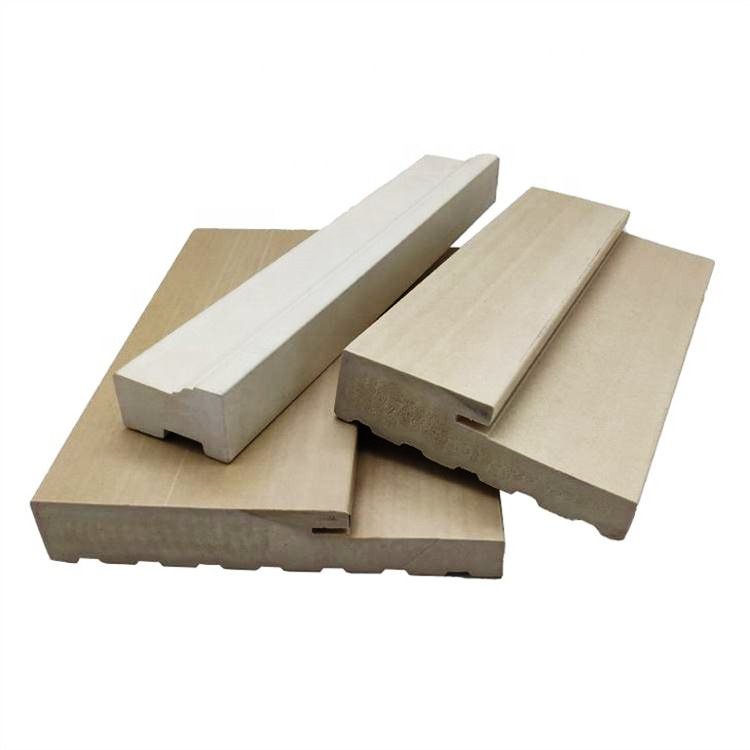
Material: High-density WPC composite with aluminum core reinforcement; Spec: 2050×960×90mm; Surface: Deep embossed wood grain with UV-protected ASA cap; Feature: Reinforced security frame, multi-point locking compatible, 100% waterproof; Scenario: front entry door; Benefit: Ultimate home security and high-end curb appeal for residential and commercial entrances
MOQ: 100 sqm
Key Features
- Waterproof & Moisture-proof
- Anti-corrosion & Anti-termite
- UV Resistant & Fade Resistant
- Low Maintenance & Easy Clean
- Eco-friendly & Recyclable
- Long Service Life
Product Details
Last month, a contractor in Florida called us, pretty frustrated. He’d just installed three premium solid wood front entry doors for a high-end coastal build. Guess what? The humidity had already started warping the frames. It happens. Wood and moisture just don't mix.
That’s exactly why we developed our reinforced WPC front entry doors. Look, we know the front door is the handshake of a house. It needs to look incredible, but it also needs to keep the bad guys out and the weather at bay. Here's the thing: most composite doors on the market are basically hollow plastic. Ours isn't.
Why This WPC Door Is Perfect for Your Front Entry Door
Let's be honest, the front entry door takes a beating. Sun, rain, snow, and the occasional kicked-in attempt. You might be wondering if a composite material can actually handle that. But does it actually hold up in real life?
In our experience, yes. Because we didn't just extrude plastic. We built a reinforced security frame right into the core. This means when you mount a heavy-duty deadbolt or a multi-point lock, it’s biting into solid metal and high-density composite, not just a thin veneer.
It's not perfect — here's where it falls short. If you want the exact, heavy, vault-like thud of a solid steel door, this isn't it. It’s noticeably lighter. But for 95% of residential and light commercial projects, the trade-off is more than worth it. You get the security without the rust, and the beauty without the rot.
Key Features for Front Entry Door Applications
We kept the features practical. No gimmicks, just what actually matters when you're hanging a door at the front of a house.
Reinforced Security Frame: This is the game-changer. We embed a galvanized steel or aluminum skeleton inside the WPC profile. It gives the door structural rigidity and provides a solid anchor for heavy hinges and locks.
Multi-Point Locking Ready: The frame is pre-engineered to accept 3-point or 5-point locking systems. When you lock it, it seals tight against the weatherstripping.
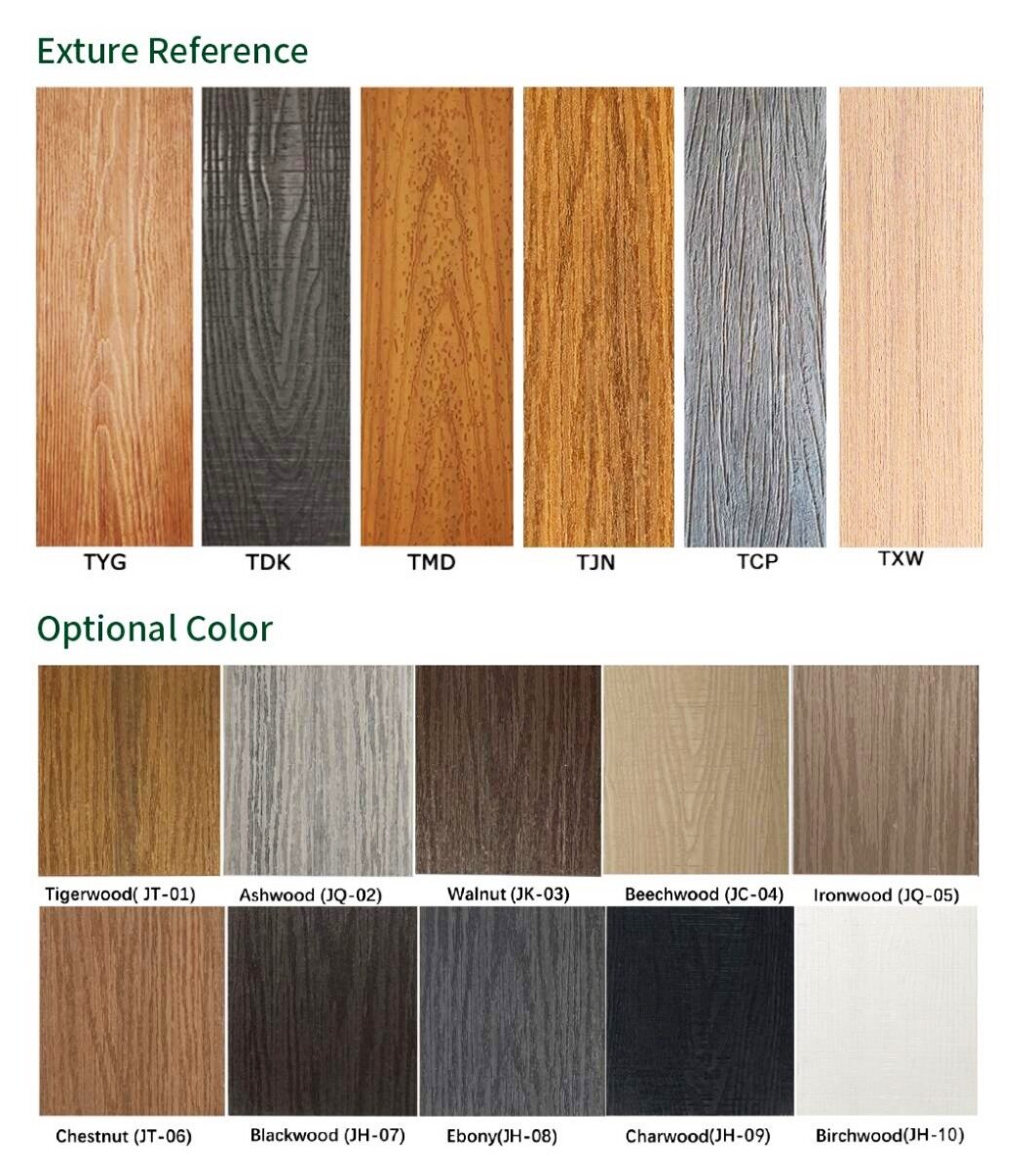
ASA Co-Extruded Wood Grain: We use an ASA polymer cap layer. It gives you a UV Grade 4-5 rating. Frankly, it looks like real mahogany or oak, but it won't fade or peel after three harsh summers.
100% Waterproof Core: Zero water absorption. If you live in a hurricane zone or a humid coastal area, this door simply will not swell or rot.
B1 Fire Rating: Safety isn't just about intruders. The composite core is fire-retardant, meeting strict B1 building codes for exterior egress.
Benefits of WPC in Front Entry Door Applications
From what we've installed and seen across 50+ countries, the benefits split into two camps: the homeowners and the installers.
For the homeowners, it's all about curb appeal and peace of mind. They get that high-end, custom wood look that boosts the property value, but they never have to sand or repaint it. "I just want to wipe it down," one customer told us recently. That's exactly what they do. Plus, knowing there's a reinforced security frame gives them that psychological comfort.
For contractors and brand owners, the math is simple. Roughly 30% fewer callbacks compared to wood or cheap PVC doors. You don't have to go back six months later to adjust a swollen frame or fix peeling paint. For brand owners, the margins are solid too. It costs roughly 15-20% more upfront than basic hollow PVC, but you can price it 30% higher because of the security frame and premium finish. It’s a 25-year warranty product, but realistically, in most climates, it’ll outlast the house itself.
Installation Tips for Front Entry Door Projects
Look, hanging a door isn't rocket science, but WPC does have its quirks. Here are a few things we usually recommend to our installation crews.
First, don't over-tighten the screws. The composite is tough, but if you use an impact driver on max torque, you can strip the hole. Pre-drill everything. Use a drill bit slightly smaller than your screw thread. A standard front entry door install takes about 2-3 hours for a two-person crew, assuming the rough opening is already prepped.
Second, pay attention to the shimming. Here's what we've noticed: about 70% of installation issues (like sticking or dragging) come from rushing the shimming process. Because the frame is reinforced, it’s very rigid. If you shim it unevenly, it will twist. Take your time, use a laser level, and make sure the head, jamb, and sill are perfectly plumb and square.
Lastly, use the right sealant. Don't use solvent-based caulks that can eat into the ASA surface. A high-quality, neutral-cure silicone is your best bet for sealing the exterior trim.





FAQs About Front Entry Door WPC Doors
Can I cut the door to fit a non-standard size?
Yes, but with a caveat. You can trim the height and width using a fine-toothed carbide blade. However, if you cut into the reinforced security frame, you'll need to seal the exposed metal edge immediately with a rust-inhibitive paint to prevent moisture ingress. Generally speaking, it's better to order custom sizes.
How does it handle extreme temperature swings?
WPC expands and contracts, but less than pure PVC. Our formula includes stabilizers to minimize thermal movement. In our experience, as long as you leave the manufacturer-recommended 3-5mm expansion gap at the bottom and top, it handles -20°C to 60°C without binding.
Is the wood grain look convincing?
We use a deep-embossed texture, not just a printed film. If you touch it, it feels like wood. From a distance of more than two feet, even seasoned architects have trouble telling it apart from real timber.
What about the hinges? Do they sag?
Not if installed correctly. Because we use a reinforced security frame, the hinge screws bite into the internal metal reinforcement. We recommend using three heavy-duty ball-bearing hinges per door. If you do that, sagging simply won't happen.
Upgrading your entryway doesn't mean you have to choose between a beautiful facade and a fortress. With the right composite technology, you get both. Just make sure you're buying from a factory that actually reinforces the core.
Frequently Asked Questions
Related Products
Ready to Start Your Project?
Contact us today for a competitive quote and professional consultation
Contact Us Now