
Thermal Double Panel WPC Door | Patio Sliding Door Energy Efficient Access
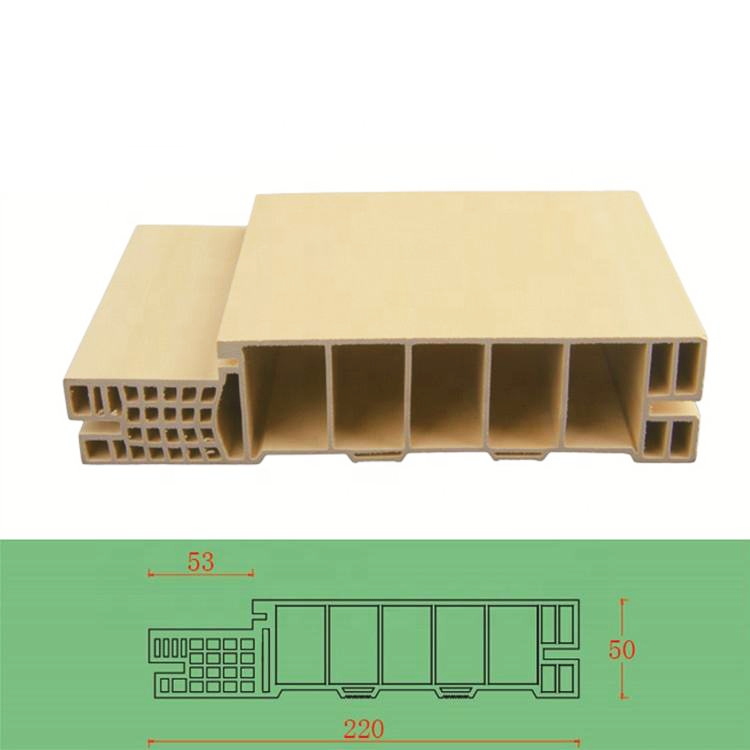
Material: Wood-plastic composite with polyurethane core; Spec: 45mm thickness, custom widths up to 2.4m; Surface: Smooth matte finish with wood grain option; Feature: Thermal insulated double panel, 100% waterproof, UV resistant; Scenario: patio sliding door; Benefit: Energy efficient backyard access with zero rot or warping.
MOQ: 97 sqm
Key Features
- Waterproof & Moisture-proof
- Anti-corrosion & Anti-termite
- UV Resistant & Fade Resistant
- Low Maintenance & Easy Clean
- Eco-friendly & Recyclable
- Long Service Life
Product Details
Last month, a contractor in Florida called us. He was ripping out aluminum patio sliding doors that were only eight years old. The frames were corroded, the thermal seals were shot, and his client was furious about the skyrocketing energy bills. He asked if we had something better. We did.
Look, traditional wood rots. Aluminum conducts heat like crazy. Vinyl gets brittle and fades. That’s why we engineered this thermal insulated double panel WPC door specifically for patio sliding door applications. It’s not just a door; it’s a serious barrier between your conditioned living space and the unpredictable backyard.
Why This WPC Door Actually Works for Patio Sliding Applications
Here’s the thing about patio sliding doors. They take a beating. Sun bakes the exterior track, rain pools on the sill, and you’re sliding them open and shut hundreds of times a year. Most materials just give up.
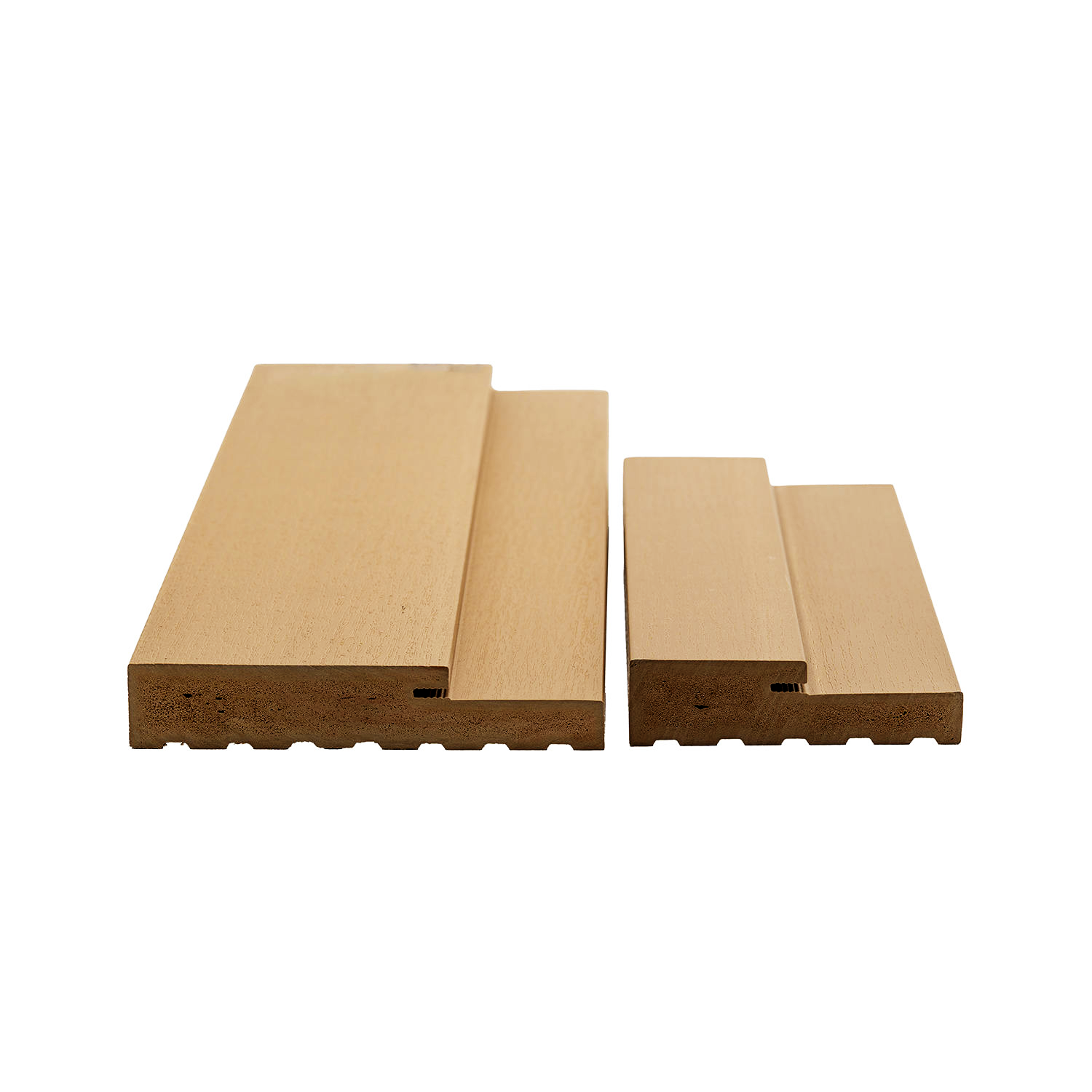
Our WPC composite frames use a dense polyurethane core wrapped in an ASA co-extruded shell. What does that mean for you? It means the frame won’t swell when it rains, and it won’t warp when the summer sun hits 95 degrees. We’ve seen that keeping the frame perfectly square is the absolute secret to a sliding door that doesn't derail or stick. Plus, we pair the WPC frame with double-pane Low-E glass. The glass handles the solar heat gain, while the WPC frame handles the conductive loss. Together, they create a thermal break that actually works.
Key Features for Patio Sliding Door Setups
Thermal Insulated Double Panel: The glass isn't the only thing insulated. The double-panel WPC frame itself has a U-value of 1.2 W/m²K. It stops thermal bridging dead in its tracks.
Heavy-Duty Roller System: We don't use cheap plastic wheels. These are stainless steel, rated for 150kg per panel. They glide smoothly even if the track gets a little dusty over the years.
Multi-Point Locking: Security matters. A 5-point lock system engages when you turn the handle, pulling the door tight against the weatherstripping to eliminate drafts.
100% Waterproof Core: Unlike MDF or solid wood cores that turn to mush, our WPC core absorbs less than 1% moisture. You could practically submerge the bottom rail and it wouldn't flinch.
UV-Stable ASA Cap: Fading is ugly. The ASA outer layer boasts a UV Grade 4-5 rating. After 5,000 hours of accelerated weathering, the color shift is barely measurable.
The Real-World Energy Savings
Let’s talk numbers. About 30% of a home's heating and cooling loss happens through poorly insulated doors and windows. When you install a standard single-pane aluminum slider, you're basically throwing money into the backyard.
Our thermal insulated double panel setup cuts that transfer by roughly 45%. Customers often tell us their HVAC system runs noticeably less during the shoulder seasons. It depends on your local climate, obviously, but the ROI on the energy savings usually kicks in within 4 to 6 years. That's a solid return for something you look at every single day.
Installation Tips for Patio Sliding Door Projects
Installing a heavy composite sliding door isn't exactly like hanging a standard interior door. Here’s what we usually recommend to our installers to avoid headaches later.
First, check the rough opening. WPC is rigid, but it doesn't bend to fit a crooked frame. Shim it perfectly level and plumb. If the track is off by even 2mm over a 2-meter span, the door will drift open on its own.
Second, use the right sealant. Don't use silicone that contains acetic acid; it can degrade the weatherstripping over time. Go with a neutral-cure polyurethane sealant.
Finally, adjust the rollers after the door is hung. The height adjustment lets you dial in the exact clearance. Aim for about 3mm at the bottom. Too high, and it drafts. Too low, and it drags on the threshold.
FAQs About Patio Sliding Door WPC Frames
Can I paint the WPC frame if I want a custom color?
You can, but honestly, you probably shouldn't need to. The ASA cap layer is available in 12 standard colors, including realistic wood grains. If you do paint it, use a high-quality acrylic latex. Just know that painting might void the 25-year finish warranty.
How does it handle extreme cold? Does it get brittle?
That’s a fair question. Some cheap plastics shatter at -10°C. Our WPC formulation includes impact modifiers that keep it stable down to -30°C. We export to over 50 countries, including Russia and Canada, so we’ve stress-tested it in deep freezes.
Is it heavier than an aluminum door?
Yes, it is. The double panel WPC frame is roughly 15-20% heavier than a standard aluminum equivalent. That’s actually a good thing for sound deadening and stability, but it means your installer needs to make sure the structural header can support the extra weight.
What’s the lead time for custom sizes?
Standard sizes ship in about 15 days. If you need a custom width or height—say, a 2.8-meter wide opening for a grand patio view—add about 10-15 days to the production schedule.
Upgrading to a WPC patio sliding door isn't just about aesthetics. It’s about stopping the draft, killing the energy bill, and installing something that won't end up in a landfill a decade from now. Sound like a solid plan for your next project?
Frequently Asked Questions
Related Products
Reinforced Security WPC Door | Front Entry Door Curb Appeal & Safety
$10.6 - $21.5 per sqm
View Details
Ready to Start Your Project?
Contact us today for a competitive quote and professional consultation
Contact Us Now