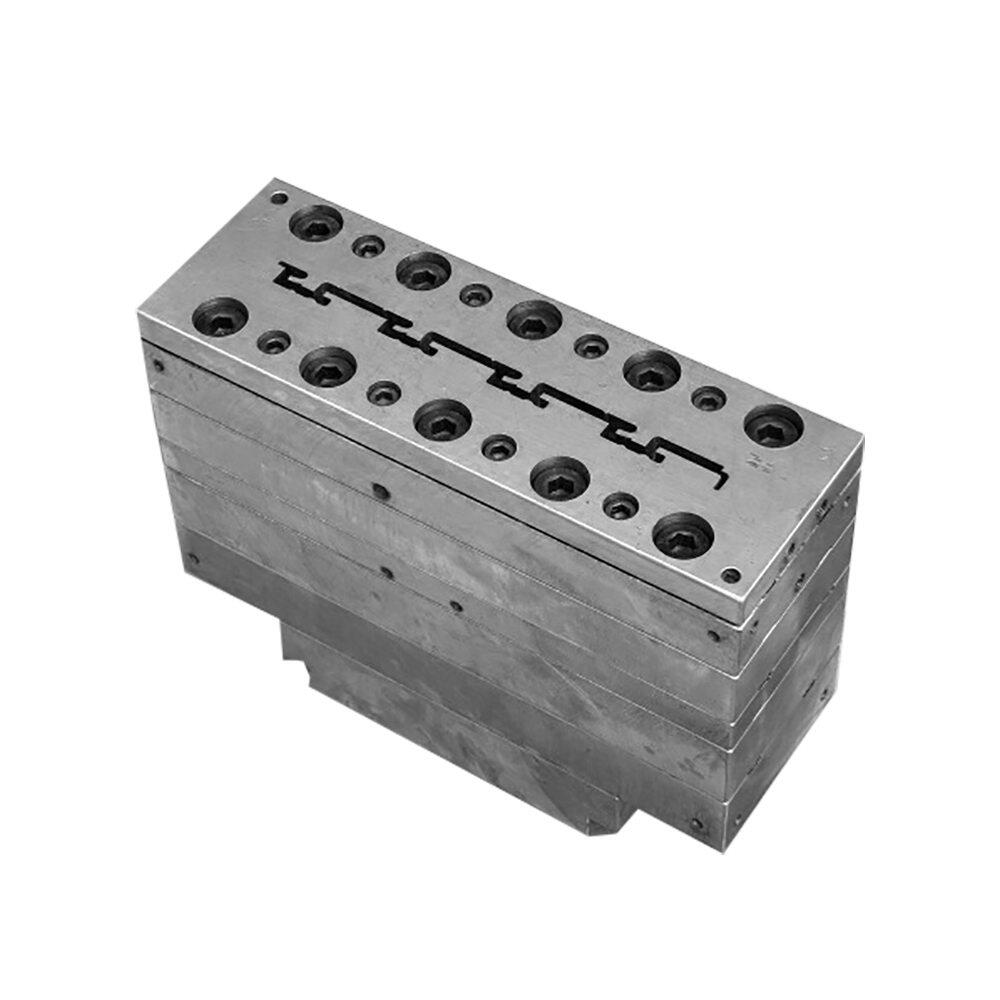
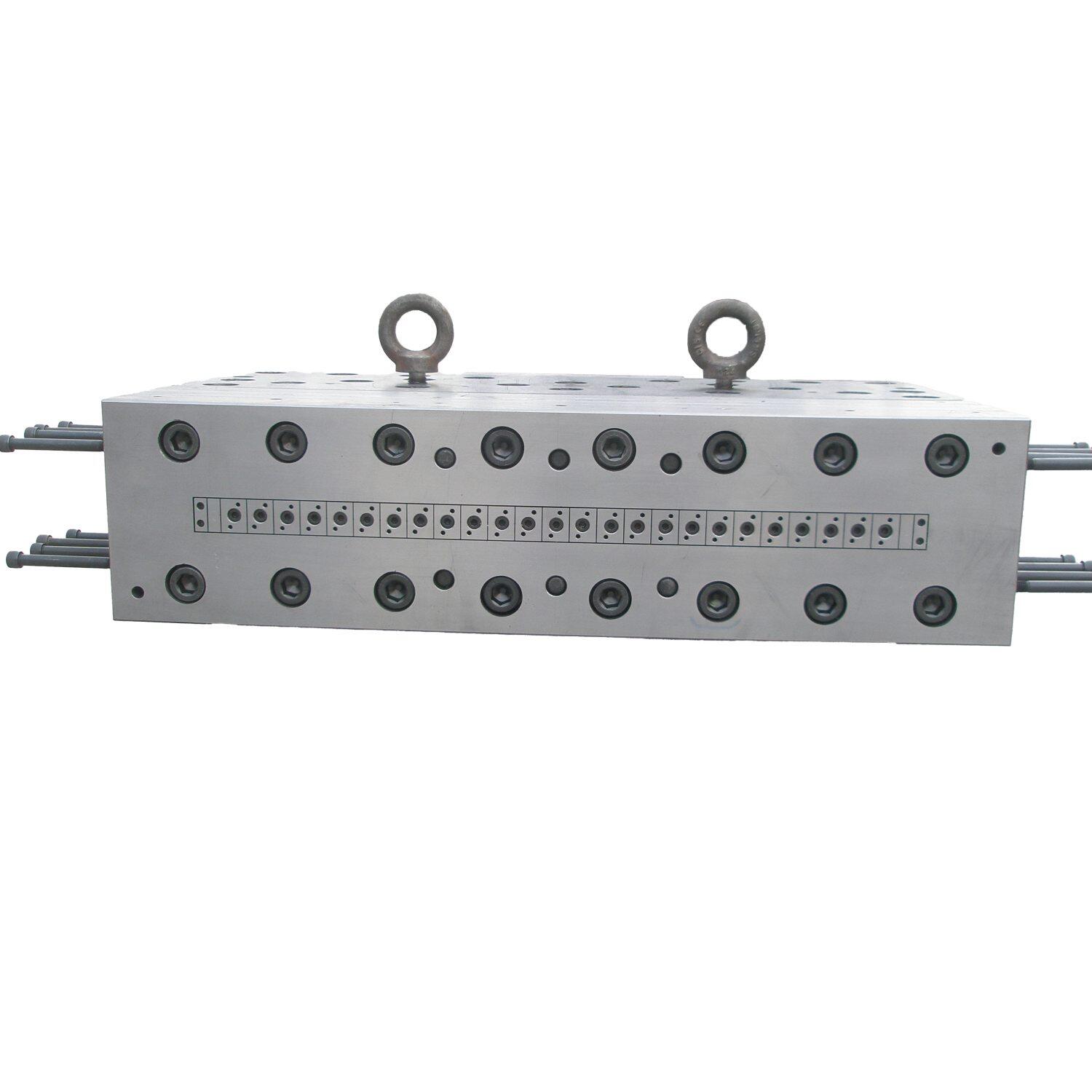
38CrMoAl Co-extrusion WPC Mold | WPC Wall Cladding Profile Production High Output
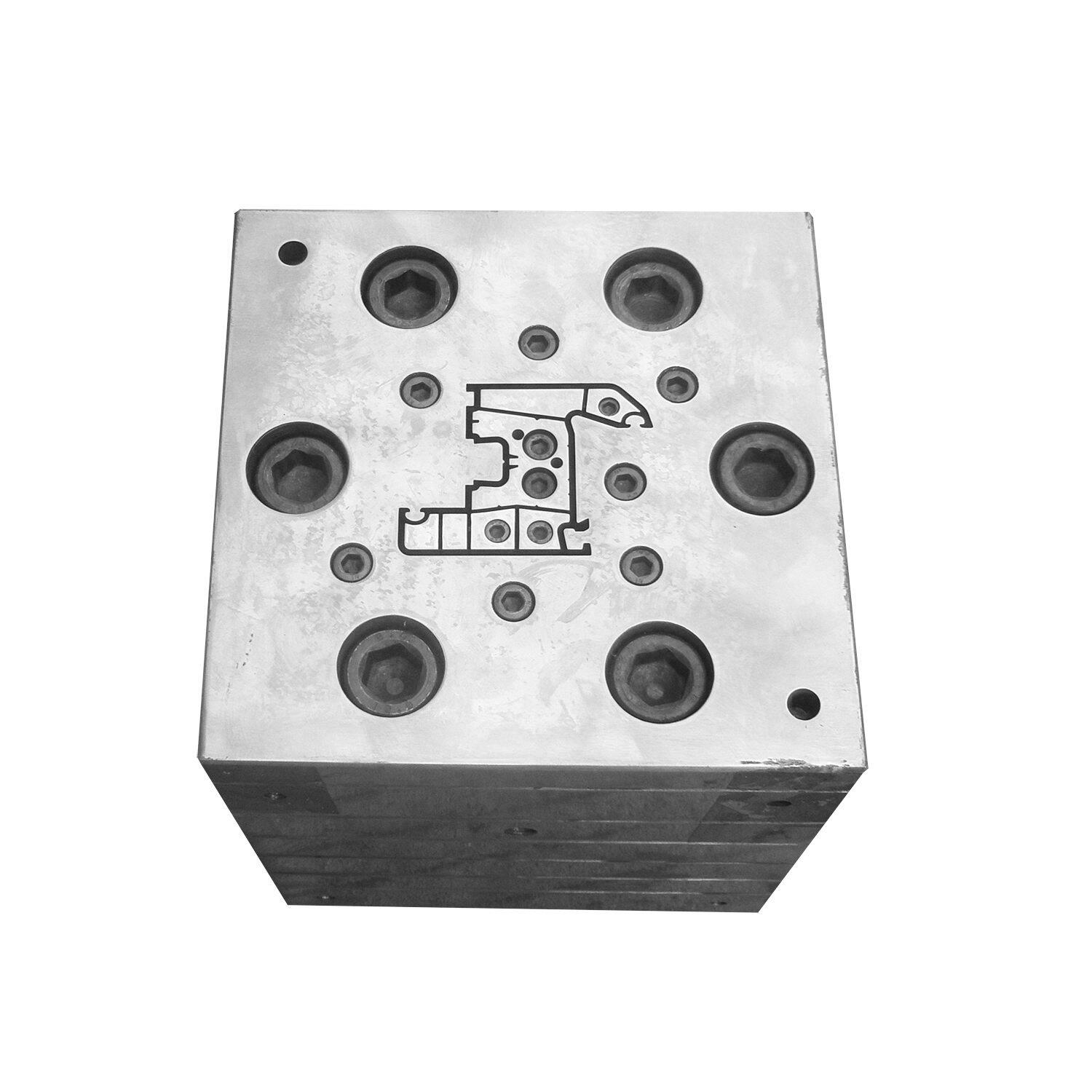
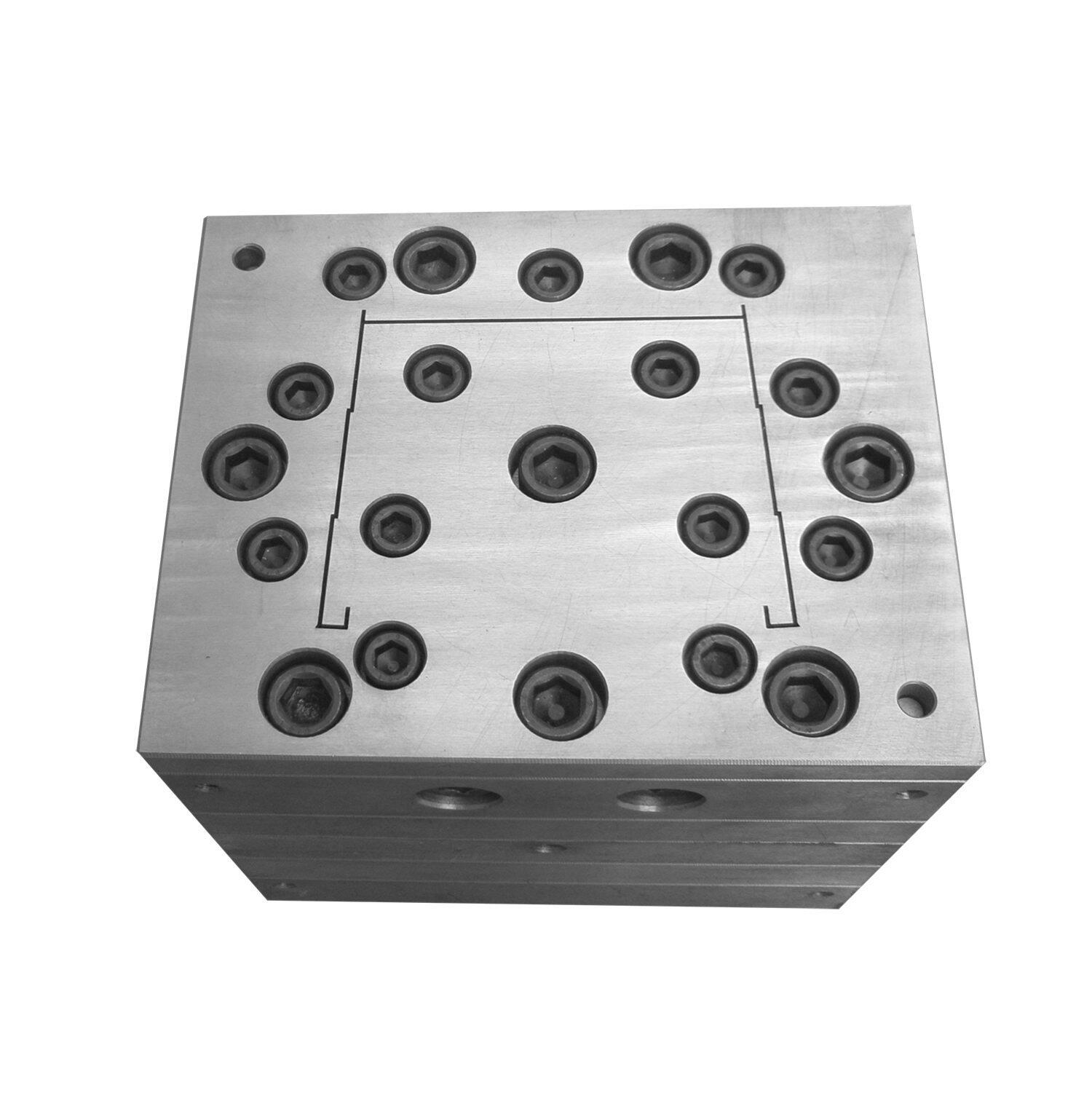
Material: 38CrMoAl nitrided steel; Spec: Multi-cavity co-extrusion die; Surface: 60HRC nitrided finish; Feature: Co-ex ASA/PVC layer capability; Scenario: WPC wall cladding profile production; Benefit: High-output panel manufacturing with superior wear resistance.
MOQ: 1 sqm
Key Features
- Waterproof & Moisture-proof
- Anti-corrosion & Anti-termite
- UV Resistant & Fade Resistant
- Low Maintenance & Easy Clean
- Eco-friendly & Recyclable
- Long Service Life
Product Details
Why This WPC Extrusion Mold Is Perfect for Wpc Wall Cladding Profile Production
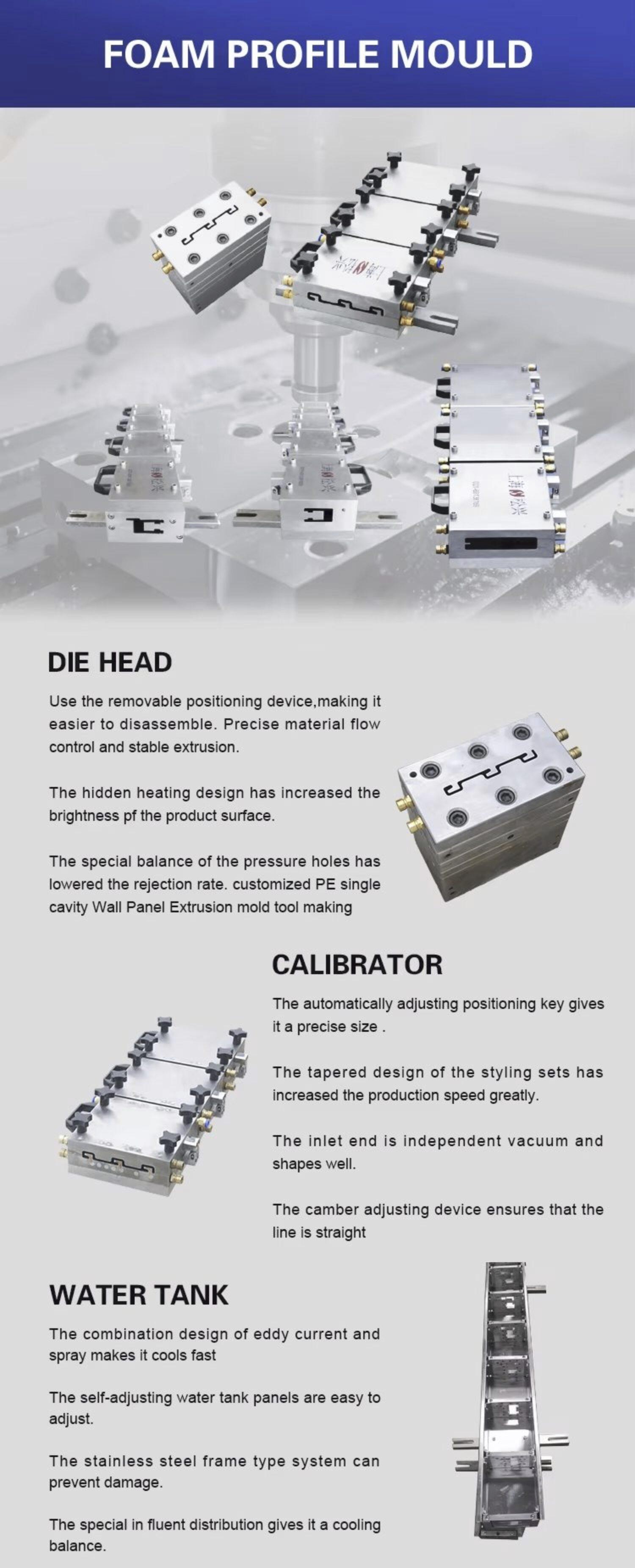
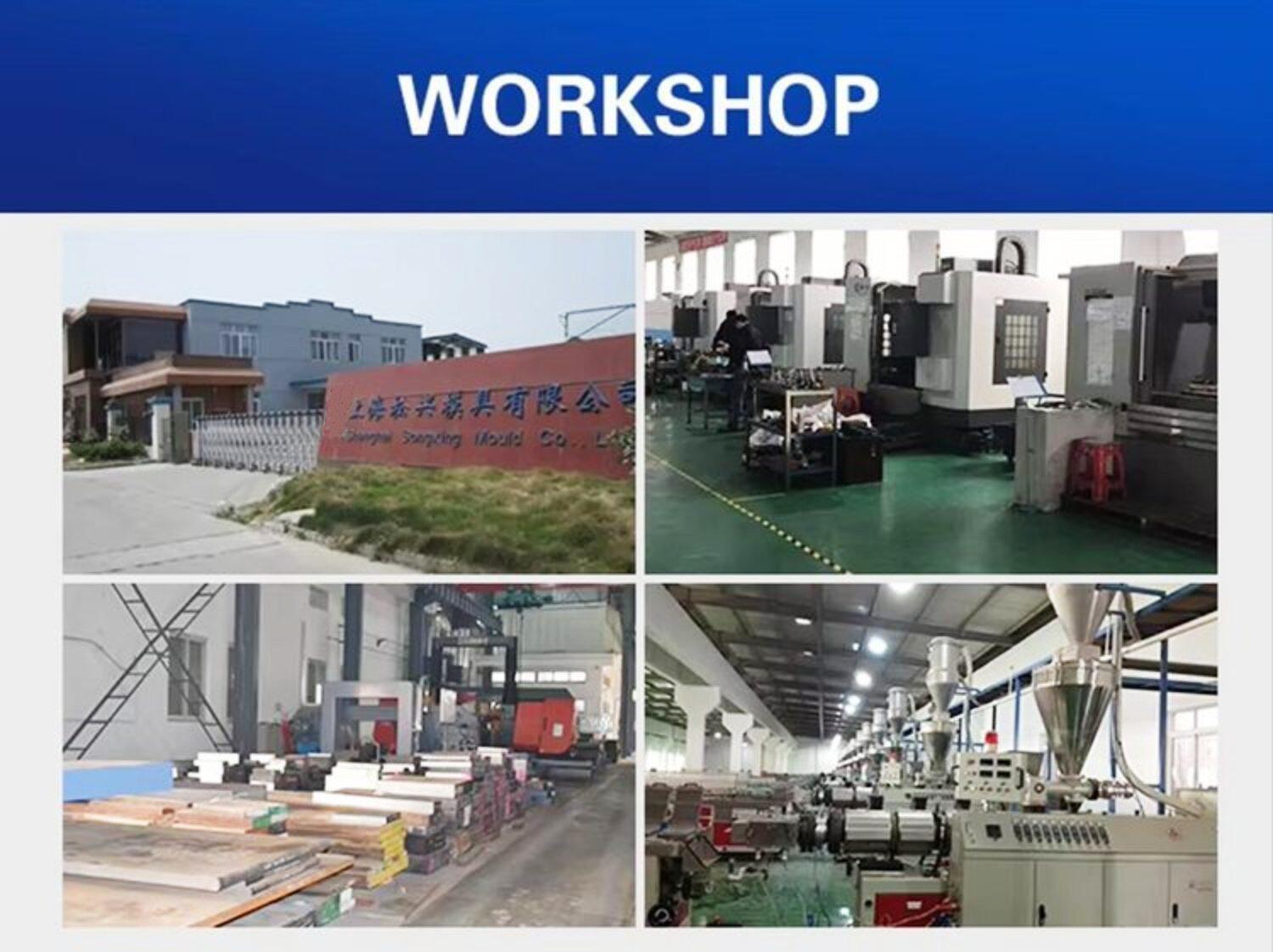
Look, making WPC wall cladding isn't just about dumping wood flour and PVC into a mixer. The real bottleneck? The die. We've seen factories lose thousands of dollars because a cheap mold warped after 3,000 hours, ruining the ASA co-ex layer. This 38CrMoAl co-extrusion mold changes that. It's built specifically for high-output wall cladding profile production. When you're running 24/7 to meet contractor deadlines, you can't afford micro-stops. Here's the thing: most standard dies just can't handle the abrasive nature of high-ratio WPC mixes while maintaining a flawless ASA/PVC outer shell. This multi-cavity tooling solves it by balancing flow and taking the wear.
Key Features for Wpc Wall Cladding Profile Production
38CrMoAl Nitrided Steel (60HRC): Frankly, this is non-negotiable for cladding. The 60HRC surface hardness means you get 10,000+ hours of production before needing a polish. That's roughly 30% longer than standard Cr12MoV.
True Co-extrusion Multi-cavity Design: You need that ASA/PVC layer to be perfectly uniform. Our multi-cavity flow channels ensure the co-ex layer is exactly 0.5mm to 1.0mm thick, preventing UV degradation and ensuring that 25-year warranty holds up.
Optimized Flow Channels: We've machined the internal geometry to eliminate dead zones. Less melt fracture means a smoother wood-grain embossing finish right out of the die.
Precision Tolerance (±0.02mm): Wall panels need to click together seamlessly. If your extrusion swells by half a millimeter, the installer is going to hate you. This tolerance keeps the tongue-and-groove profiles tight.
Quick Purge Architecture: Changing colors or materials? The streamlined flow paths cut purge time by about 40%. Less downtime, more revenue.
Product Parameters
Mold Material | 38CrMoAl alloy tool steel |
Surface Hardness | HRC 58-62 (Nitrided) |
Cavity Design | Multi-cavity co-extrusion (ASA/PVC) |
Dimensional Tolerance | ±0.02mm |
Expected Lifespan | 10,000+ production hours |
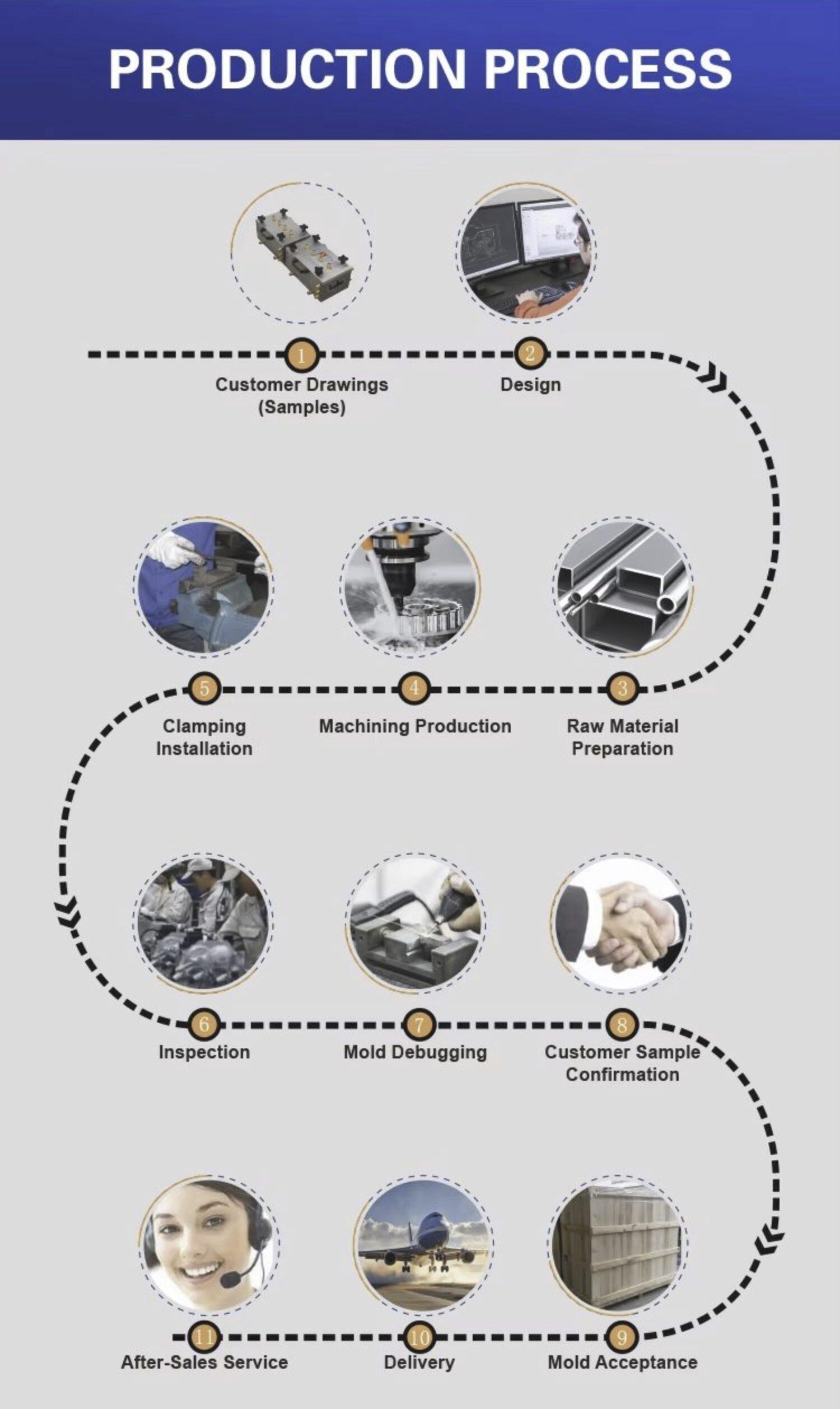
Custom Lead Time | 25-35 days |
Product Details
Let's talk about the steel for a second. 38CrMoAl is a premium nitriding steel. We nitride it to achieve that 60HRC surface, but the core remains tough. Why does this matter for wall panel extrusion? Because WPC mixes—especially those with high bamboo or rice husk content—are basically sandpaper. A softer die will wear out at the landing lengths, causing the profile to drag and the ASA layer to thin out.
But does it actually hold up in real life? We usually recommend this specific die setup for clients producing UV Grade 4-5 and B1 fire-rated cladding. The co-extrusion block is independently heated and controlled, giving you pinpoint accuracy over the ASA/PVC melt temperature. It's about 20-30% more expensive upfront compared to a basic single-layer die. The catch is, you need a capable extruder to feed it properly. But from what we've installed, the ROI pays off within the first 6 months just from reduced scrap rates and higher line speeds.
When installers are on a scaffold 30 feet in the air, they don't have time to force-fit warped panels. That ±0.02mm tolerance isn't just a spec sheet number; it's the difference between a smooth install and a frustrated crew calling your sales rep.
Applications
Who actually needs this level of tooling? Mostly, it's the large-scale WPC manufacturers exporting to Europe or North America. If you're supplying brand owners who demand strict color consistency and a flawless co-extruded cap, this is your workhorse. We also see heavy use by contractors who run their own profile lines for custom commercial facade projects.
Think high-rise residential facades, commercial hotel exteriors, and modern office complexes. These projects require B1 fire ratings and UV Grade 4-5 color fastness. The co-ex ASA layer is critical here. If your die produces a thin or uneven ASA cap, the panel will fade in 3 years instead of 25. Whether you're making hollow lightweight panels or solid heavy-duty cladding, this die handles the throughput across 50+ countries.
FAQ
Q: Can this mold handle 100% recycled WPC core material?
A: Yes, but here's the reality. Recycled cores are more abrasive. The 38CrMoAl steel handles it well, but you might need to re-polish the flow channels about 15-20% more often than if you used virgin PVC.
Q: How do you ensure the ASA co-ex layer doesn't peel off?
A: It's all about the die land design and melt temperature matching. We design the multi-cavity interface to ensure the ASA and PVC core fuse at the exact right pressure inside the die, not after it exits.
Q: What's the actual lead time for a custom wall cladding profile?
A: Generally speaking, 25 to 35 days. If you need complex multi-cavity co-extrusion, don't rush the CNC machining. We take an extra 2 days just for flow simulation to make sure it runs right the first time.
Q: Do you provide the extrusion formula along with the mold?
A: We provide baseline processing parameters and temperature profiles. The exact WPC formula depends on your specific raw materials, but our engineers will guide you through the trial runs.
Ready to Get Started?
Ready to upgrade your wall cladding line? Stop losing money on die wear and inconsistent co-ex layers. Send us your profile drawings, and let's engineer a mold that actually keeps up with your production goals.
Frequently Asked Questions
Related Products
Ready to Start Your Project?
Contact us today for a competitive quote and professional consultation
Contact Us Now