
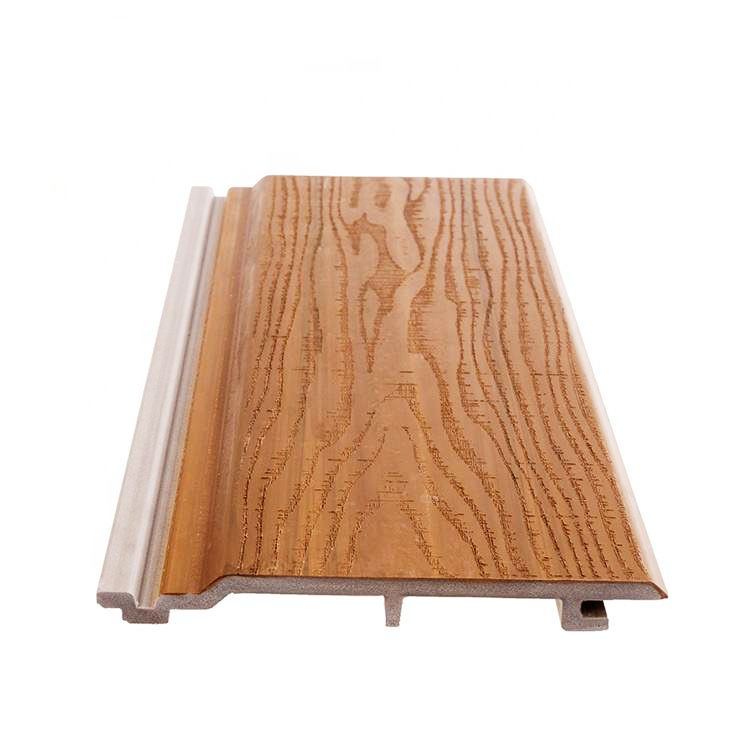
Moisture Resistant WPC Wall Cladding | Balcony Wall Panel Outdoor Decor
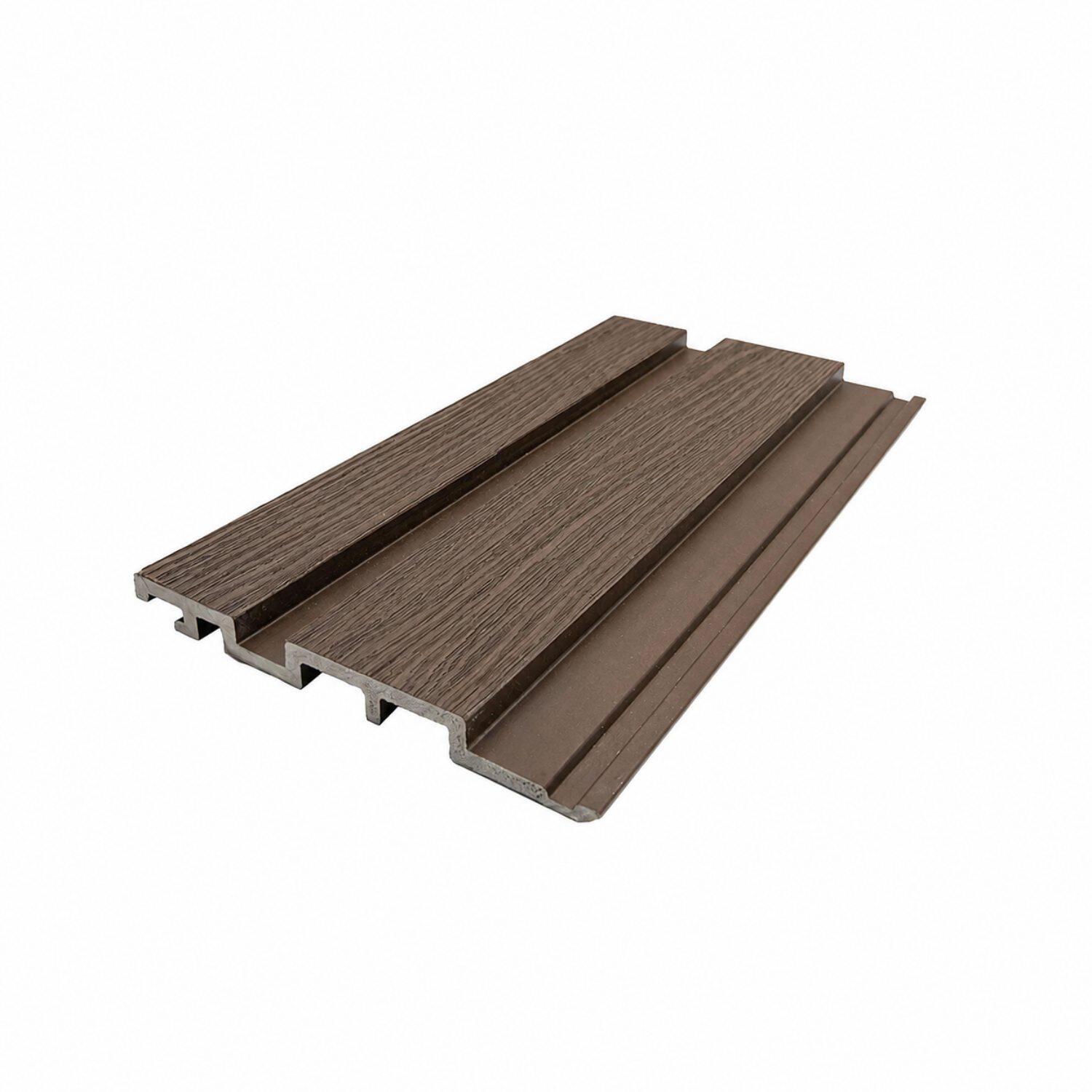
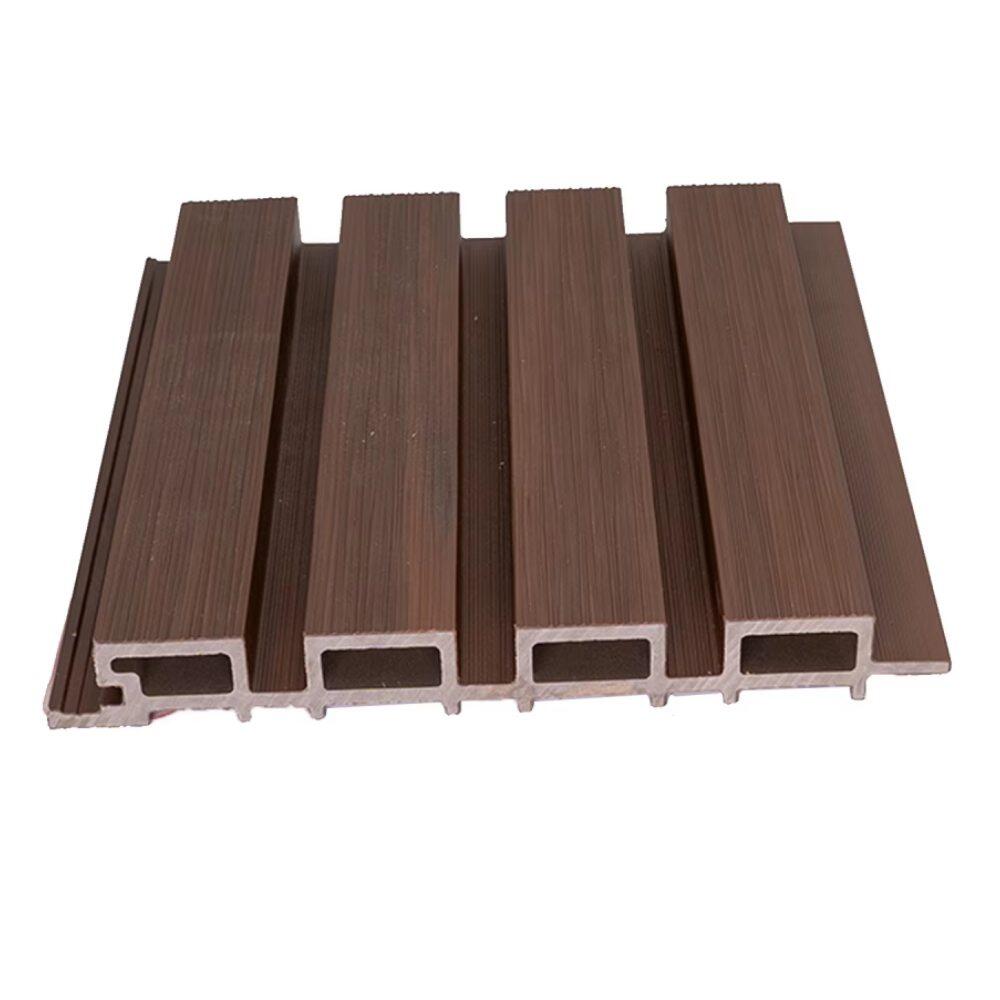
Material: High-density WPC composite with ASA polymer cap; Spec: 150×21mm; Surface: 3D embossed wood grain; Feature: 100% moisture resistant, UV-stabilized, zero-maintenance; Scenario: balcony wall panel; Benefit: Durable, aesthetic outdoor wall decor for residential and commercial high-rise facades
MOQ: 100 sqm
Key Features
- Waterproof & Moisture-proof
- Anti-corrosion & Anti-termite
- UV Resistant & Fade Resistant
- Low Maintenance & Easy Clean
- Eco-friendly & Recyclable
- Long Service Life
Product Details
Last month, a contractor in Miami called us, frustrated. He’d just ripped out traditional wood cladding from a high-rise balcony project because it warped after one humid season. Sound familiar? It happens more often than you'd think.
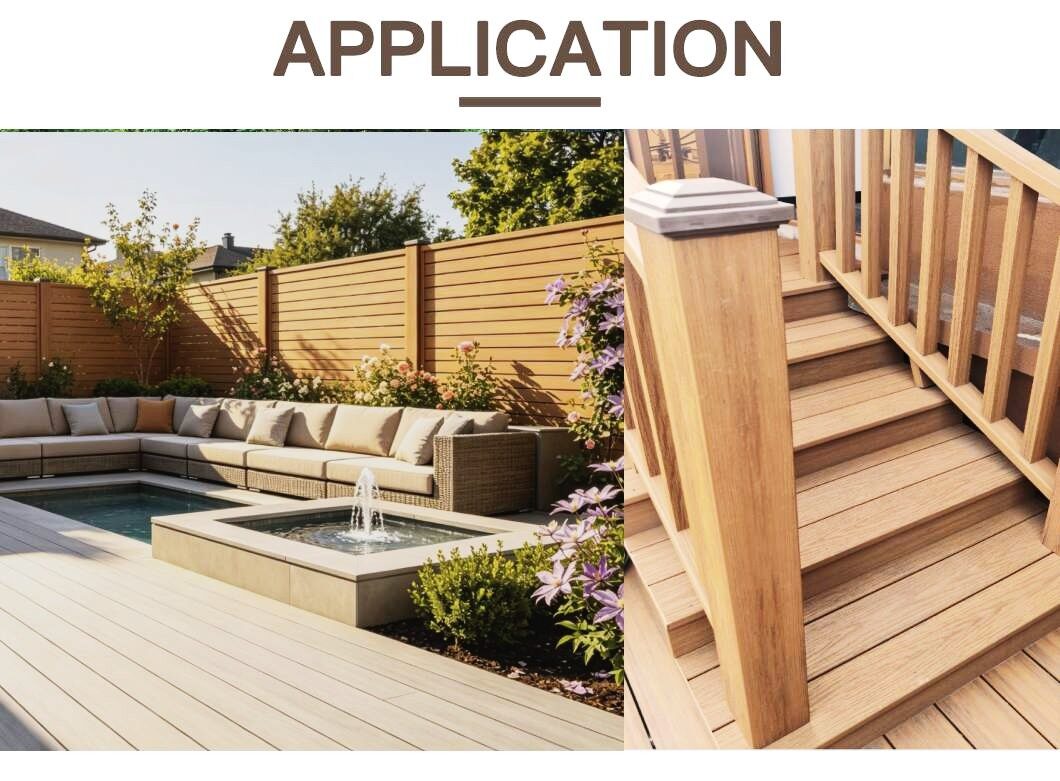
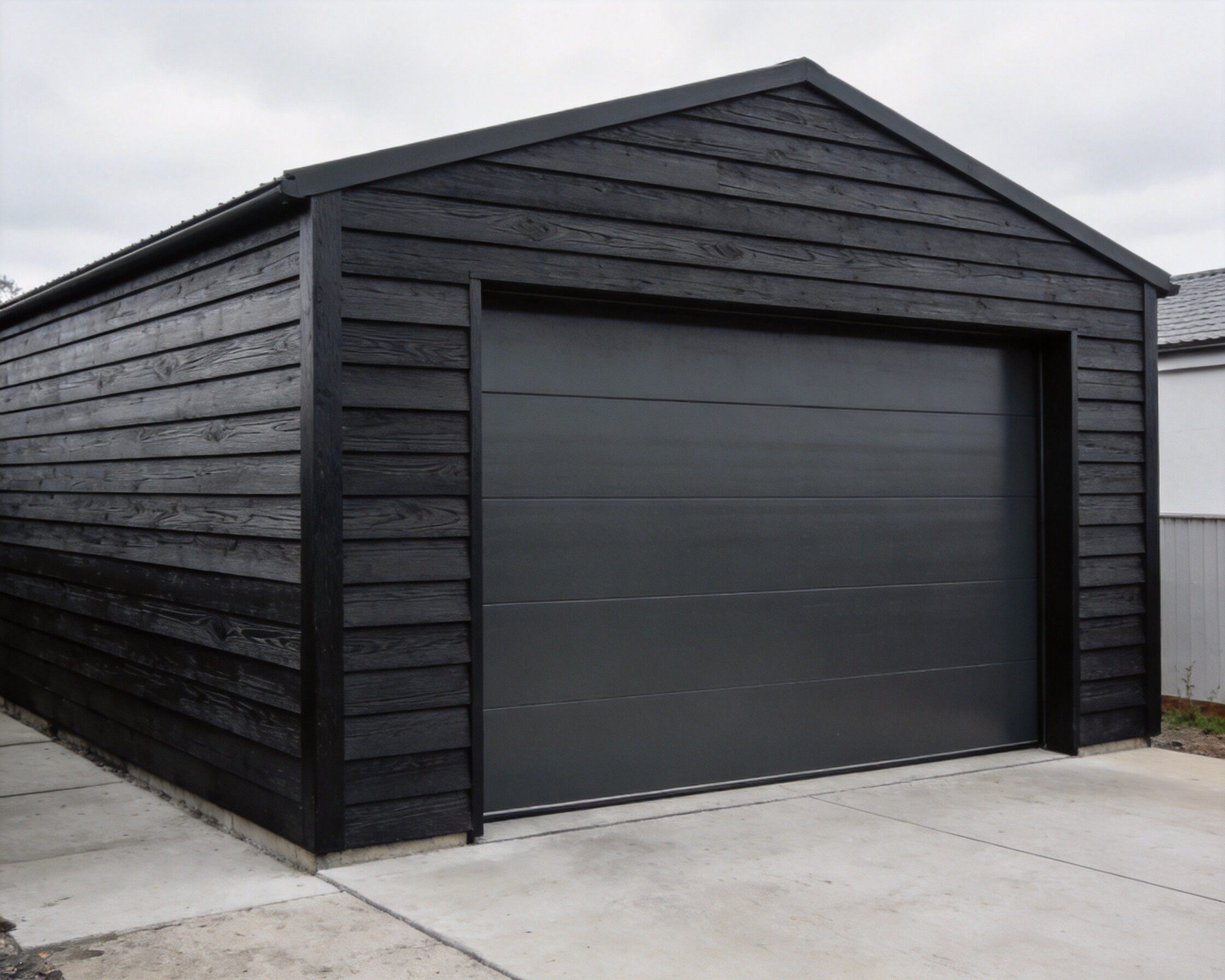
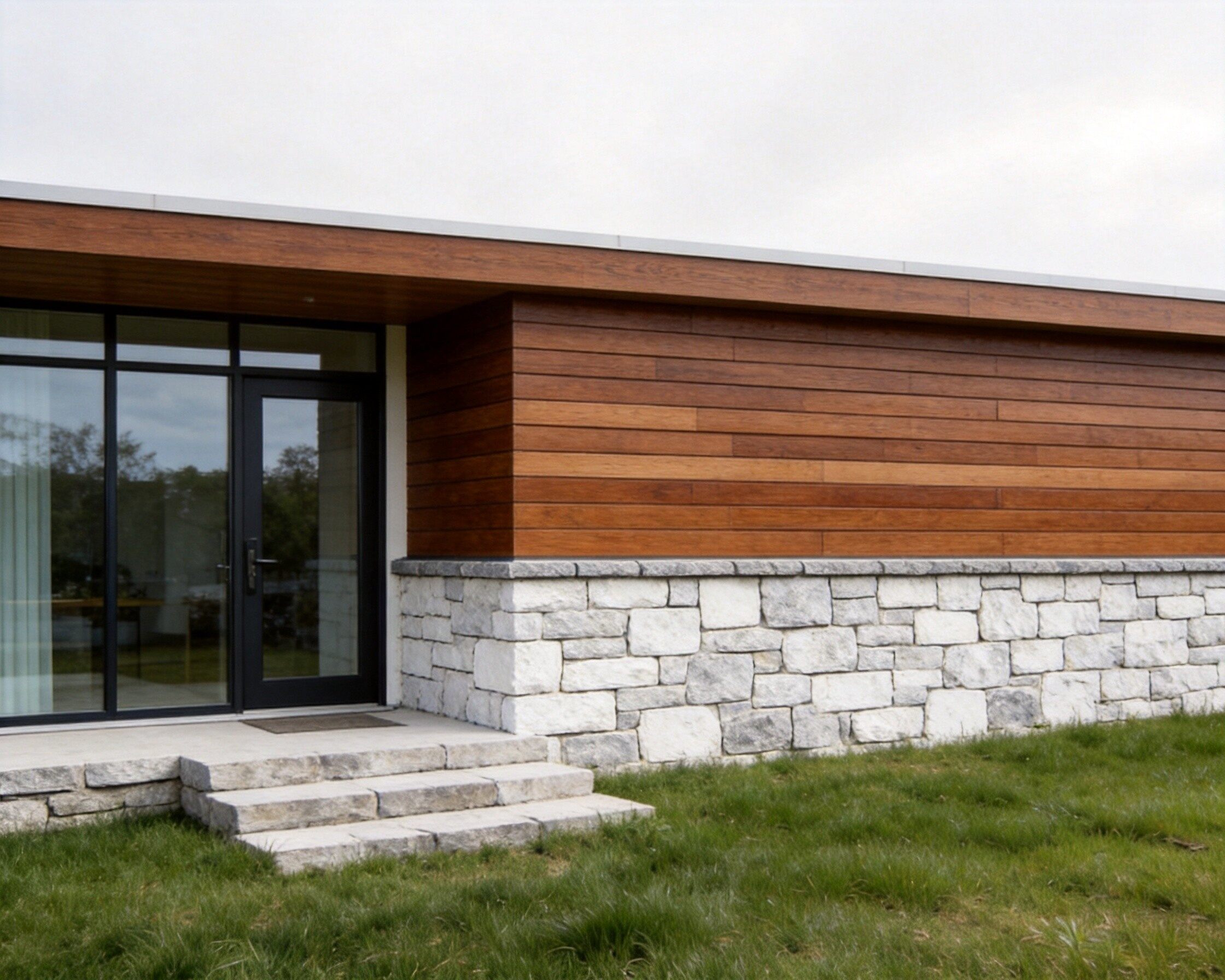
Balconies are brutal environments. They get direct sun, driving rain, and wild temperature swings. That’s exactly why we engineered this specific WPC wall cladding. It’s not just another generic exterior panel. It’s built specifically to be the ultimate balcony wall panel, turning a vulnerable concrete box into a stunning piece of outdoor wall decor.
Why This Cladding Solves the Balcony Problem
Here's the thing about balconies: they take a beating. Water pools at the base, wind whips around the corners, and the sun bakes the surfaces. Traditional materials either rot, fade, or expand until they crack.
We designed this moisture-resistant WPC to handle all of that. The core is a high-density wood-plastic composite, but the real magic is the ASA polymer co-extruded cap. It locks out moisture completely. We're talking 100% waterproof. But beyond just surviving the weather, it actually looks good. You get a rich, 3D embossed wood grain that doesn't scream "plastic." It elevates the whole facade, making it a premium choice for outdoor wall decor.
Key Features for Your Balcony Wall Panel
Look, specs on a datasheet are one thing. How it actually performs up on the 15th floor is another. Here’s what we’ve noticed in real-world installations:
True Moisture Resistance: It doesn’t just repel water; it ignores it. Zero water absorption means no swelling, no rotting, and no mold. Perfect for those rainy coastal balconies.
UV Grade 4-5 Stability: Most cheap panels fade after two summers. Our ASA cap keeps the color locked in. We’ve seen it hold up beautifully in harsh Arizona sun and humid Florida coasts.
B1 Fire Rating: This is non-negotiable for high-rise buildings. It meets strict commercial fire codes, giving architects and contractors peace of mind.
Controlled Thermal Expansion: We added specific additives to minimize expansion and contraction. It’s not zero, but it’s roughly 30% less movement than standard PVC alternatives.
Hidden Fastener System: Nobody wants to see ugly screw heads on a nice balcony wall panel. Our clip system keeps the face completely clean.
Low Maintenance: Forget about painting or sealing. A quick wipe down with soapy water once or twice a year is all it takes to keep it looking brand new.
Let’s Be Honest: Where It Falls Short
It’s not perfect — here's where it falls short for some projects. First, the upfront cost. It’s roughly 15-20% more expensive initially compared to basic PVC or untreated pine. If your client has a rock-bottom budget, this might be a tough sell.
Second, it’s heavier. At about 3.5 kg per square meter, you need a solid substructure. You can't just slap it directly onto a flimsy drywall setup. But honestly? That extra weight is what gives it that solid, premium feel when you knock on it.
Installation Tips for Balcony Wall Panel Projects
From what we've installed, a lot of failures come down to bad prep work. Here’s what we usually recommend for balcony wall panel setups:
Always use aluminum or galvanized steel furring channels. Wood studs on a balcony? Bad idea. They will rot and warp, taking your beautiful new cladding down with them.
Leave your expansion gaps. We know it’s tempting to push the boards tight together. Don't. Leave about 3-5mm at the ends and 1/8 inch between boards. It depends on the ambient temperature when you're installing, but generally, giving it room to breathe prevents buckling later.
Flash the top edge. This is the part most crews forget. Make sure the top of the balcony wall panel is properly flashed and sealed into the building envelope. Water will find a way in if you don't.
Also, pay attention to the clip spacing. For a balcony wall panel, where wind loads can be higher than ground-level fencing, space your clips every 300mm (about 12 inches) instead of the standard 400mm. It costs a few extra clips, but it keeps the panels rock-solid during a storm.


Quick Answers to Common Questions
Can I install this directly over existing concrete?
Generally speaking, no. You need an air gap. We recommend installing furring channels first to create a ventilated rainscreen. This lets any trapped moisture drain out, which is crucial for a balcony wall panel.
How does it handle extreme coastal salt air?
Exceptionally well. Salt destroys metal and eats through certain plastics. The ASA cap is highly resistant to salt corrosion. We've exported this to over 50 countries, including heavy coastal projects in Southeast Asia and the Mediterranean, with very few complaints.
What's the actual lifespan vs the 25-year warranty?
The warranty covers 25 years against fading and structural defects. But realistically, in harsh climates, expect 15-20 years of peak aesthetic performance before it might need a refresh. In milder climates, it easily outlasts the warranty.
Ready to upgrade your next project? Hit the "Inquire Now" button to get pricing and samples.
Frequently Asked Questions
Related Products
Ready to Start Your Project?
Contact us today for a competitive quote and professional consultation
Contact Us Now