
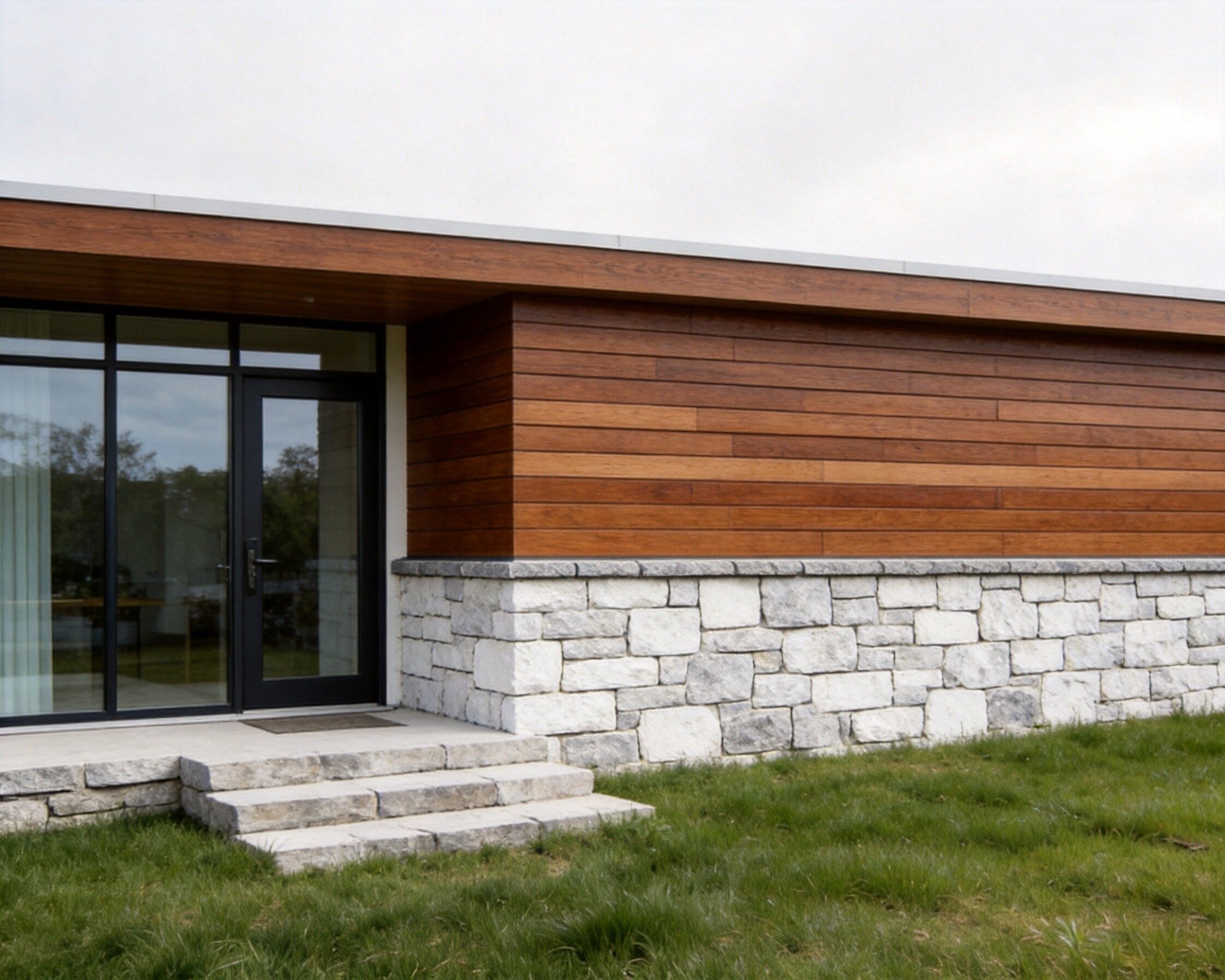
Commercial Grade WPC Wall Cladding | Restaurant Interior Hospitality Design
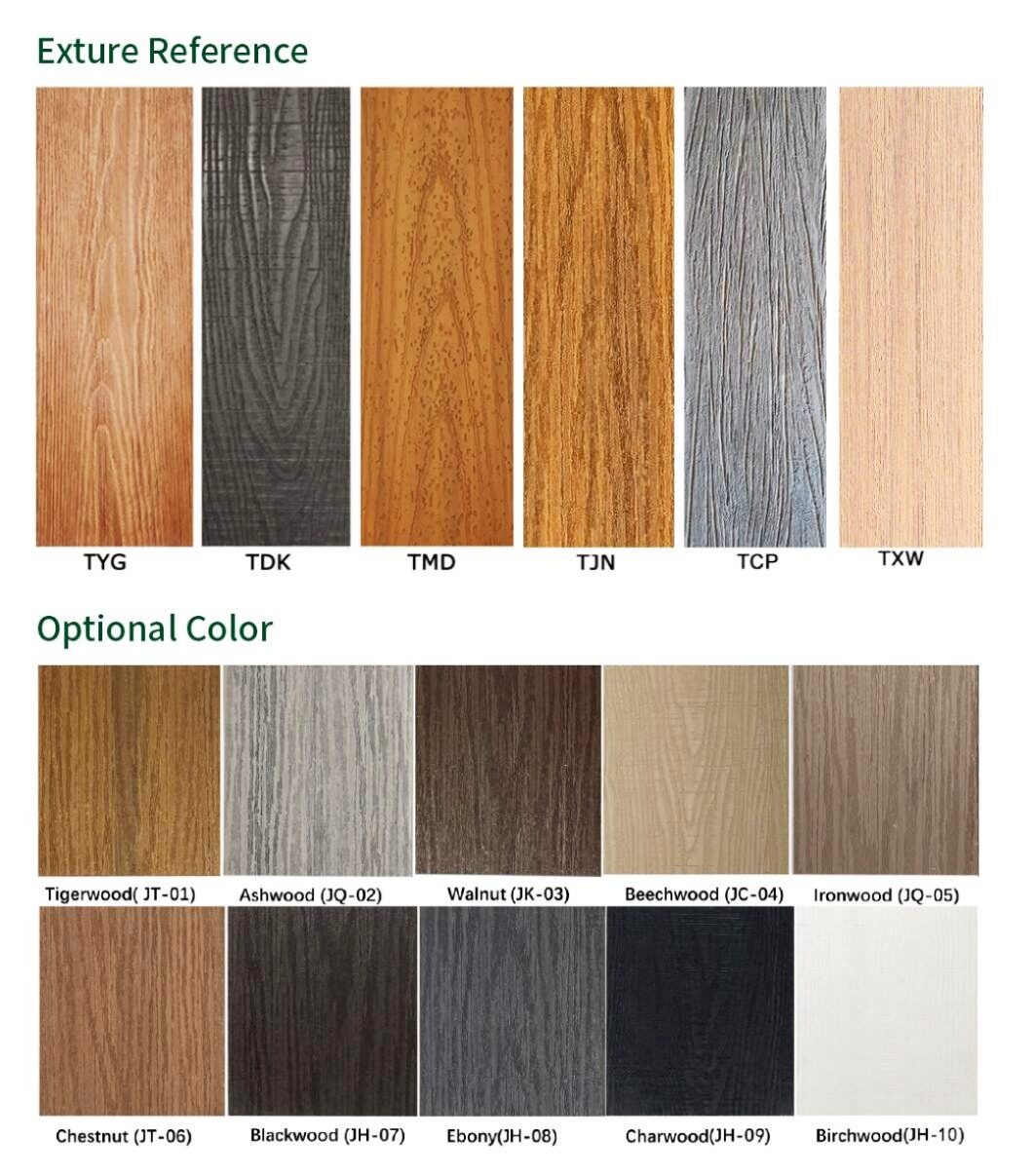
Material: High-density WPC composite with protective polymer shield; Spec: 150×21mm; Surface: 3D embossed wood grain; Feature: B1 fire-rated, scratch-resistant, moisture-proof; Scenario: restaurant interior; Benefit: Commercial-grade hospitality design solution that withstands high-traffic wear while elevating ambiance.
MOQ: 100 sqm
Key Features
- Waterproof & Moisture-proof
- Anti-corrosion & Anti-termite
- UV Resistant & Fade Resistant
- Low Maintenance & Easy Clean
- Eco-friendly & Recyclable
- Long Service Life
Product Details
Let's be honest. When a client walks into a new restaurant, they don't look at the walls and think, "Wow, what a great composite material." They feel the vibe. They look at the lighting, the furniture, and the textures. But as a contractor or architect, you're the one sweating the details. You know that behind that beautiful aesthetic, the walls are going to take a beating.
Chairs scraping. Waitstaff bumping into corners. The occasional splash of acidic tomato sauce or red wine. That's why we developed this specific commercial-grade WPC wall cladding for restaurant interiors. It’s not just about looking like real wood. It’s about surviving the chaos of the hospitality industry without looking like it did.
The Reality of Restaurant Wall Finishes
Here's the thing about natural wood in commercial dining spaces. It looks incredible on day one. By month six? It’s a different story. We’ve seen high-end bistros spend thousands on refinishing solid timber panels because a hostess stand got scuffed, or the humidity from the kitchen caused the panels to cup.
Frankly, it’s a headache you don't need.
Our WPC cladding solves this by giving you the exact visual warmth of natural timber, but with a polymer shield that basically laughs at daily abuse. It’s 100% waterproof, which matters if you're cladding a wall near the bar or the pass. And the B1 fire rating? That’s not just a box to check for the inspector. In a commercial kitchen environment, it’s non-negotiable.
Another thing we've noticed on commercial jobs is color consistency. When you buy natural wood, you get batch variations. With our WPC, the color is locked in. What you approve in the showroom is exactly what shows up on the pallet. For a brand owner rolling out five different restaurant locations, that consistency is a massive relief.
Key Features That Actually Matter on Site
We could list twenty generic features, but let's focus on what actually impacts your restaurant interior project.
B1 Fire Rating: This is crucial. Most local commercial building codes require Class B or better for interior wall coverings in public dining spaces. Our panels pass this with flying colors, saving you from costly material swaps during the permitting phase.
High-Density Core (1.35 g/cm³): We don't use the lightweight, hollow stuff. This density means when a waiter accidentally backs a loaded tray into the wall, it won't dent. It takes the hit and bounces back.
3D Embossed Surface: It’s not just a flat print. The texture mimics real sawn timber. Under warm restaurant pendant lighting, the shadows play across the grain just like natural wood.
Zero Moisture Absorption: Spills happen. Mopping happens. Unlike MDF or real wood, our WPC won't swell at the seams if the cleaning crew uses a bit too much water.
Hidden Clip Installation: For a seamless, high-end hospitality look, we use a concealed clip system. No visible nail heads ruining the aesthetic in the dining room.
Installation: What You Need to Know
Installing this in a restaurant is a bit different from a residential feature wall. The spaces are often larger, and the walls might not be perfectly plumb.
For starters, you need a solid substrate. We usually recommend furring out the walls with metal studs or treated timber battens spaced at 400mm centers. Why? Because restaurant walls often hide plumbing and heavy electrical runs. The cavity gives you room to work.
Then there's the expansion gap. Leave a 3-5mm gap at the floor and ceiling. I know, it sounds counterintuitive for an "interior" product, but commercial HVAC systems run hard. The temperature fluctuations between the kitchen and the dining room can cause minor expansion. If you butt it tight against the concrete floor, it will buckle. Cover the gap with a matching scotia bead or a sleek metal trim.
Let’s Talk About the Downsides
Look, it’s not perfect. There’s no one-size-fits-all in building materials.
The main catch with commercial WPC cladding is the upfront cost. It’s roughly 15-20% more expensive initially compared to standard PVC wall panels or basic painted drywall. If your client has a razor-thin budget and just needs a quick flip, this might not be the right fit.
Also, while the surface is highly scratch-resistant, it’s not invincible. If someone takes a sharp knife to it, it will mark. But for 95% of daily restaurant traffic, it holds up flawlessly. And unlike wood, you can't just sand it down and restain it. If a panel gets deeply gouged, you replace the panel. Fortunately, the hidden clip system makes swapping a single board out a 10-minute job.




Quick FAQs from the Field
Can we use this in the actual kitchen area?
Generally speaking, yes, because it's waterproof and B1 fire-rated. But we usually recommend our solid PVC or aluminum panels for behind the actual cooking line. The WPC is perfect for the dining room, hallways, and restrooms.
How does it handle acoustic issues?
WPC is denser than drywall, so it reflects sound. If you're designing a loud, bustling taproom, you’ll still need acoustic treatments (like ceiling baffles or upholstered seating). The wall cladding won't fix a noisy room on its own.
What's the lead time for large commercial orders?
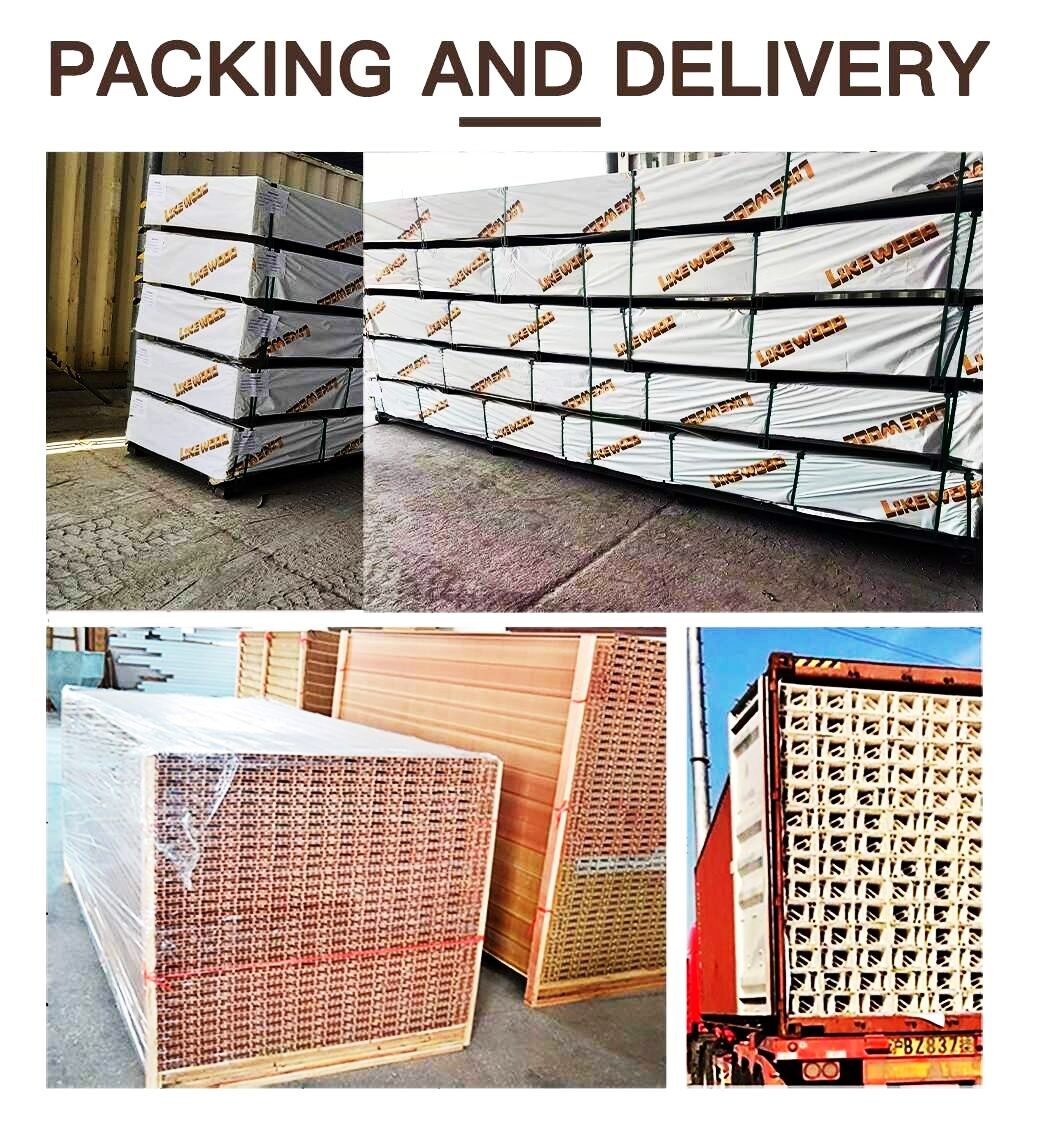
For a standard restaurant fit-out (say, 2,000 to 5,000 square feet of wall space), we typically need 20-25 days for production and loading. We export to over 50 countries, so we’re used to coordinating with tight construction schedules.
At the end of the day, a restaurant interior needs to look inviting but act tough. This WPC wall cladding bridges that gap. It gives your designers the aesthetic they want, and gives you, the contractor, the peace of mind that you won't be getting callback complaints six months after opening night.
Frequently Asked Questions
Related Products
Reinforced Security PVC Door | Front Entry Curb Appeal and Protection
$2.97 - $18.88 per sqm
View Details
Weatherproof Composite Cladding | Garden Fence Wall Privacy Shield
$2.90 - $18.60 per sqm
View Details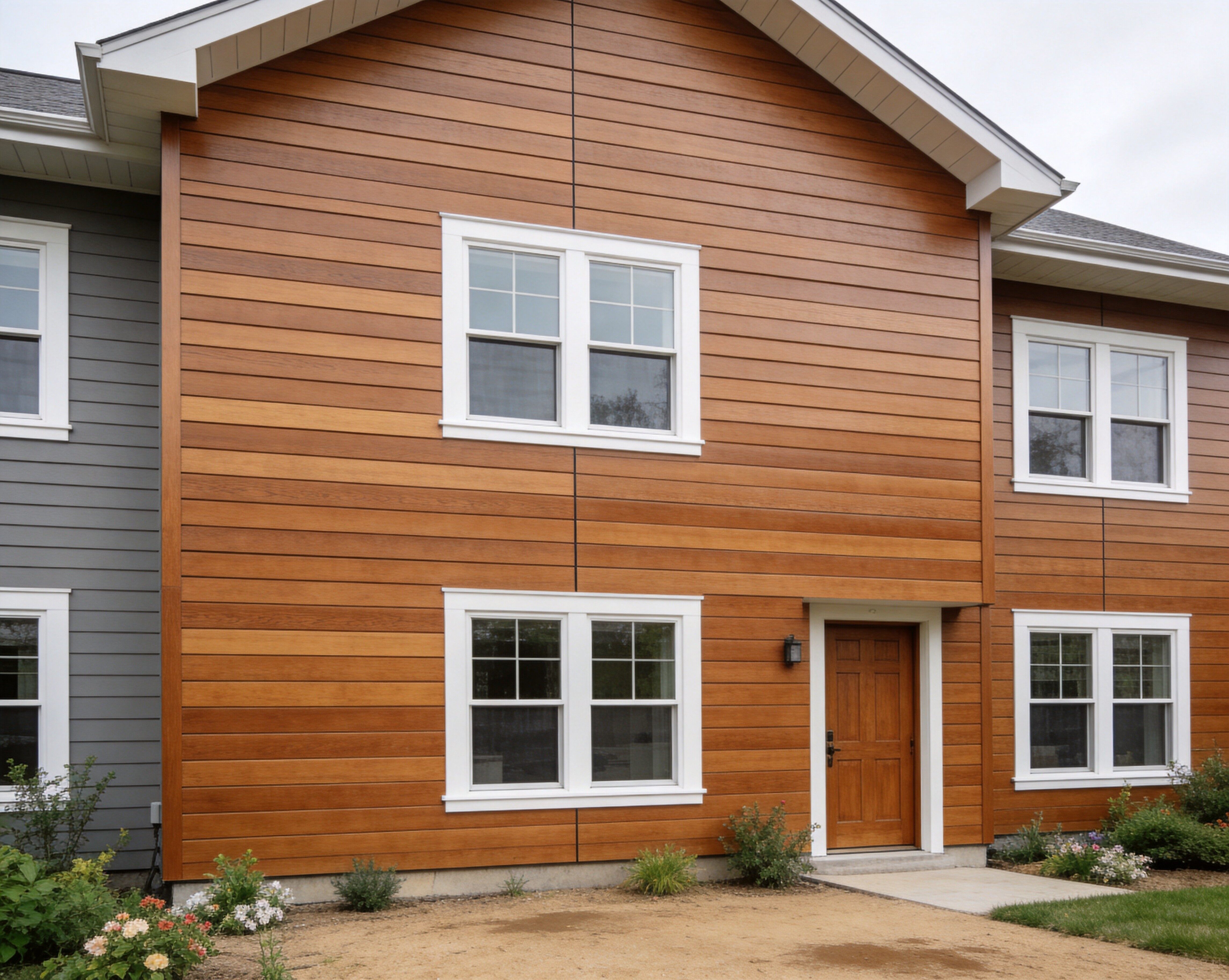
Commercial Grade PVC Wall Cladding | Restaurant Interior Design Solution
$3.78 - $19.9 per sqm
View DetailsReady to Start Your Project?
Contact us today for a competitive quote and professional consultation
Contact Us Now