
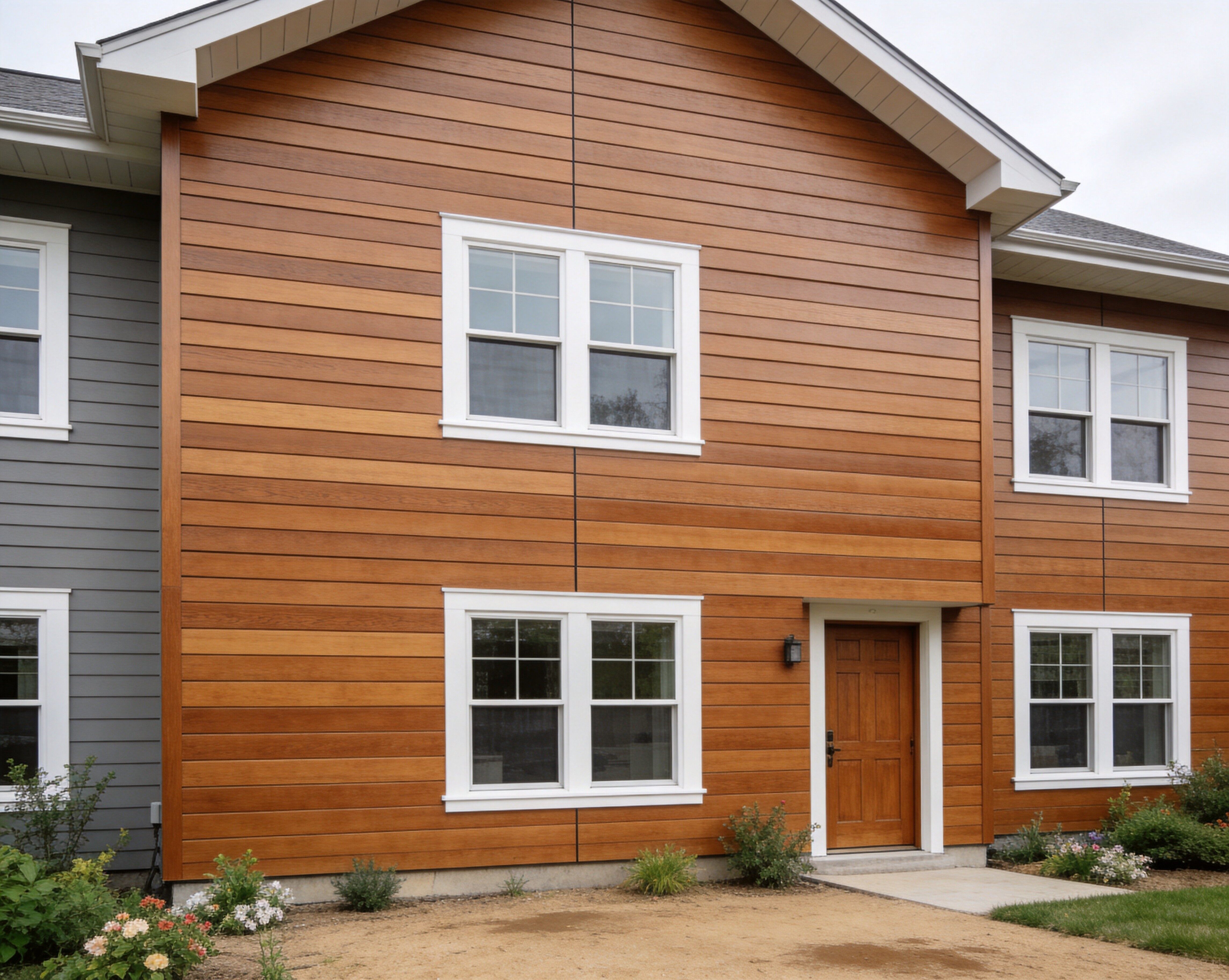
All-Weather PVC Cladding | Balcony Wall Panel Moisture-Proof Facade
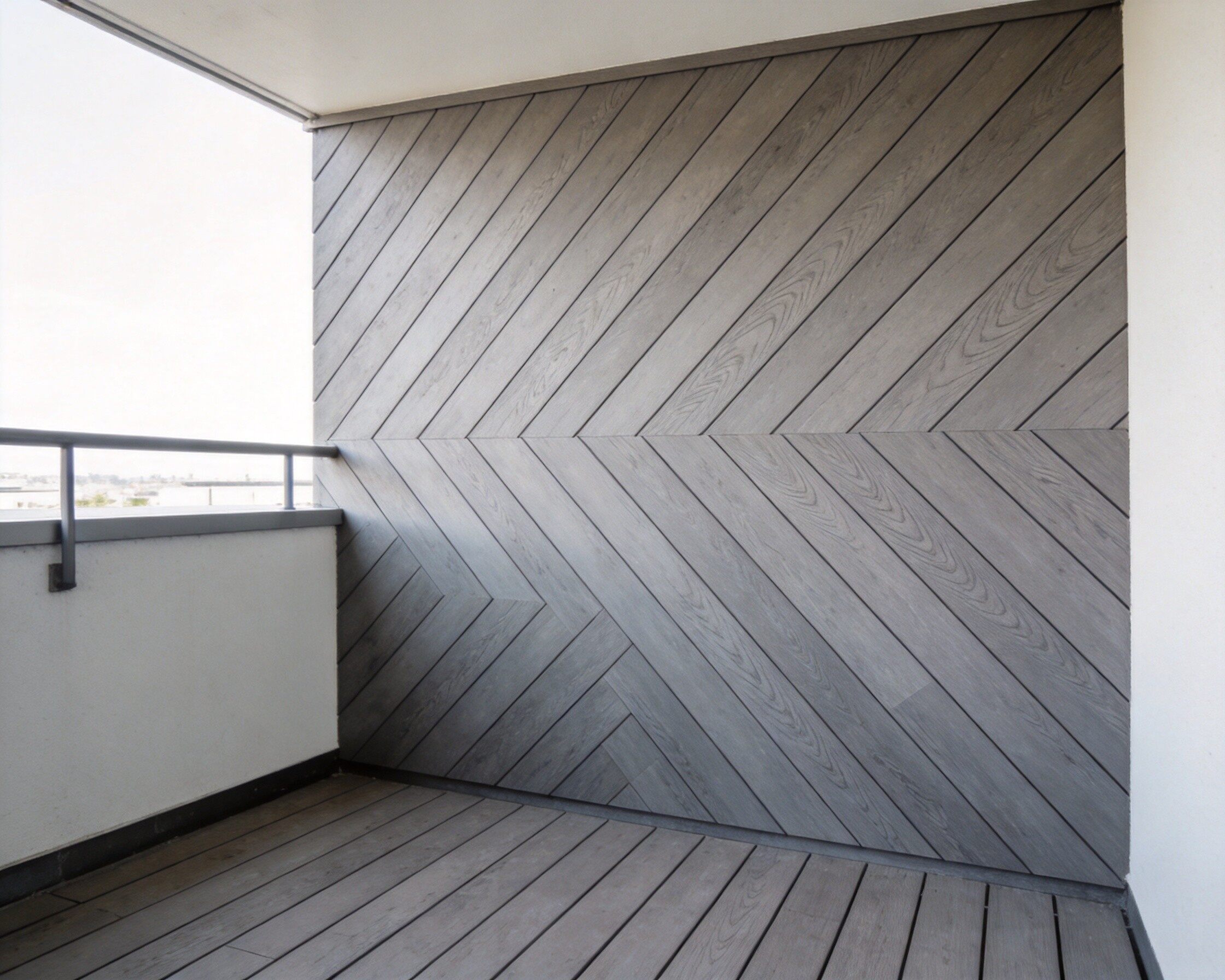
Material: 100% virgin PVC composite with ASA cap; Spec: 150×10mm; Surface: Brushed wood grain texture; Feature: 100% moisture-proof, UV-stabilized, B1 fire rated; Scenario: balcony wall panel; Benefit: Durable, fade-proof outdoor wall decor that withstands harsh weather without peeling or warping.
Key Features
- Waterproof & Moisture-proof
- Anti-corrosion & Anti-termite
- UV Resistant & Fade Resistant
- Low Maintenance & Easy Clean
- Eco-friendly & Recyclable
- Long Service Life
Product Details
Material: 100% virgin PVC composite with ASA cap; Spec: 150×10mm; Surface: Brushed wood grain texture; Feature: 100% moisture-proof, UV-stabilized, B1 fire rated; Scenario: balcony wall panel; Benefit: Durable, fade-proof outdoor wall decor that withstands harsh weather without peeling or warping.
Last month, a contractor sent us photos of a high-rise balcony he’d renovated just two years prior. The exterior paint was already peeling. The wooden trim at the base was rotting. It was a complete nightmare.
Here’s the thing about balconies. They are brutal environments. You’re not just dealing with rain. You’re fighting wind-driven moisture, intense UV reflection off the glass, and massive temperature swings. Most standard building materials simply can't handle that micro-climate.
That’s exactly why we engineered this specific PVC wall cladding. It’s not just about slapping a panel on a wall. It’s about surviving the elements while looking like premium outdoor wall decor.
Why This Cladding Actually Works for Balconies
Look, anyone can make a panel that looks good on day one. But does it actually hold up when the wind is howling at 40 mph and the sun is baking the surface at 140°F?
We’ve seen that traditional materials fail because they absorb water. Once moisture gets in, the freeze-thaw cycle destroys it from the inside out. Our PVC balcony wall panel is 100% moisture-proof. Water literally beads up and rolls off. There’s zero absorption. None.
But moisture is only half the battle. The other half is fading. We use an ASA co-extruded cap layer. It’s the same stuff they use on car bumpers to stop them from fading in the sun. It gives the panels a UV resistance of Grade 4-5. Frankly, it’s overkill for most walls, but for a balcony that gets direct southern exposure? It’s exactly what you need.
Key Features for Balcony Wall Panel Projects
Absolute moisture barrier. Unlike wood or fiber cement, this PVC won't swell, warp, or rot when water gets trapped behind it. It just sits there, completely unaffected.
Wait, what about fire safety? High-rises have strict codes. That’s why we built this with a B1 fire rating. It’s self-extinguishing, which makes architects and building inspectors very happy.
Hidden clip installation. You don't want visible screw heads ruining the aesthetic of your outdoor wall decor. Our hidden clip system means a clean, seamless facade.
Thermal expansion is a real headache on balconies. We engineered the tongue-and-groove profile to allow for natural movement without buckling when the temperature shifts by 30 degrees in a single day.
Low-maintenance surface. The brushed wood grain doesn't just look real; it hides dirt and dust. A quick hose-down once a season keeps it looking brand new.
The Reality of Installing on a Balcony
Let’s talk about installation. Putting cladding on a ground-level wall is easy. Doing it on a balcony 20 stories up? That requires a different mindset.
Wind load is the biggest factor. From what we've installed, we usually recommend adding extra furring strips every 12 inches instead of the standard 16 inches for high-rise balconies. It gives the panels more anchoring points to resist wind uplift.
Also, don't forget the expansion gaps. Most of the time, installers forget to leave a 3-5mm gap at the corners and floor junctions. If you butt the panels tight against the concrete or glass, they will buckle in the summer heat. It depends on the ambient temperature when you install, but always leave that gap and cover it with a color-matched PVC trim.
Let’s Be Honest About the Downsides
It’s not perfect. There’s no one-size-fits-all in construction, and we’d be lying if we said this was.
First, it’s roughly 15-20% more expensive upfront compared to basic cement board. You’re paying for the ASA cap and the virgin PVC core. But realistically, when you factor in the zero maintenance and the 25-year warranty (which holds up for 15-20 years even in harsh coastal climates), the lifetime cost is actually lower.
Second, if you somehow manage to deeply scratch the ASA layer with a sharp metal object, you can't just sand it out like real wood. The scratch will expose the white PVC core underneath. So, keep it away from sharp metal furniture edges.
FAQs About Balcony Wall Panel Cladding
Can I install this directly over existing tiles?
Generally speaking, yes. But not always. If the existing tiles are loose or crumbling, you need to remove them first. If they’re solid, you can furr out the wall and install directly over them. Just make sure you seal the bottom edge so moisture doesn't get trapped behind the tiles.
How much does it cost per square foot?
For the panels and the hidden clips, you’re looking at about $4.20 per square foot. It’s a bit more than basic siding, but it’s significantly cheaper than natural stone or high-end ceramic facade systems.
Will the color fade if my balcony faces west?
West-facing balconies get the harshest afternoon sun. Because of the ASA co-extrusion, our panels resist fading exceptionally well. We offer a 25-year warranty against severe color degradation, and in our experience, about 70% of our customers in sunny climates report zero visible fading after a decade.
Is it heavy? Will it overload my balcony structure?
Not at all. At 10mm thick, these panels weigh roughly 1.2 lbs per square foot. That’s drastically lighter than stone, brick, or even fiber cement. It’s one of the main reasons contractors prefer it for elevated structures.
Upgrading a balcony shouldn't mean signing up for a weekend of painting every two years. You want a space that looks incredible and just works. This PVC cladding gives you that high-end outdoor wall decor vibe without the constant upkeep. Sound too good to be true? Check the specs and see for yourself.
Frequently Asked Questions
Related Products
Commercial Grade PVC Wall Cladding | Restaurant Interior Design Solution
$3.78 - $19.9 per sqm
View Details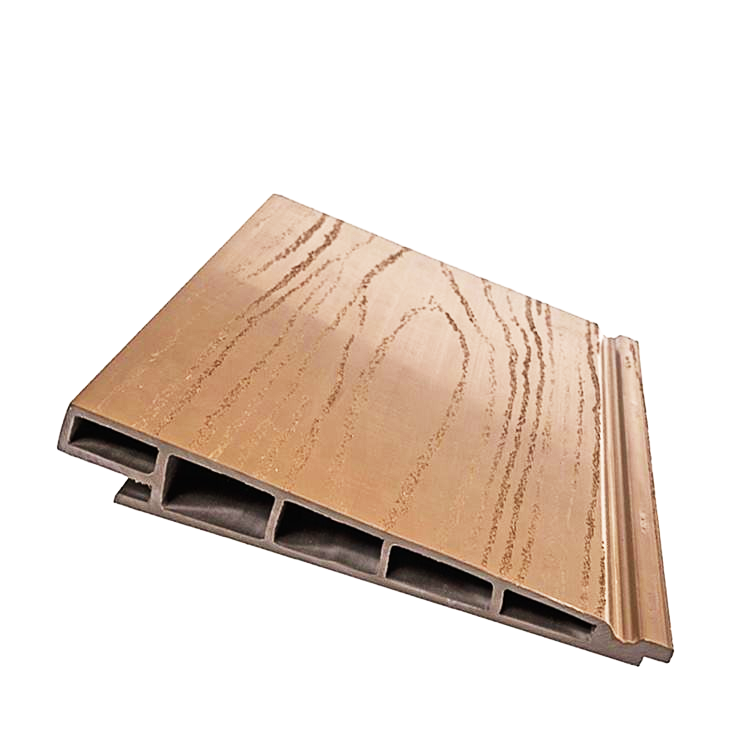
Ready to Start Your Project?
Contact us today for a competitive quote and professional consultation
Contact Us Now