
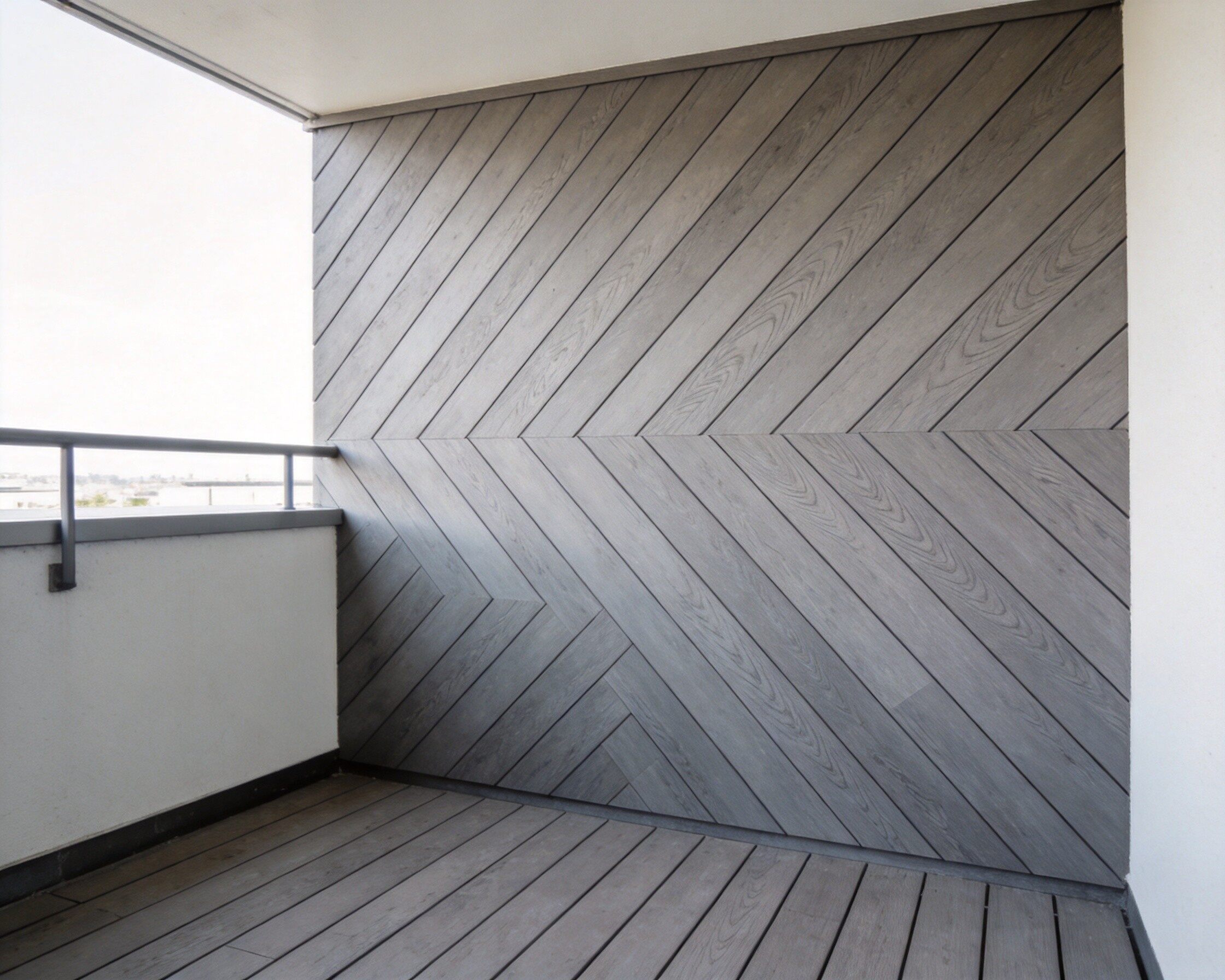
Decorative Wood Grain WPC Wall Cladding | Interior Accent Wall Design Statement
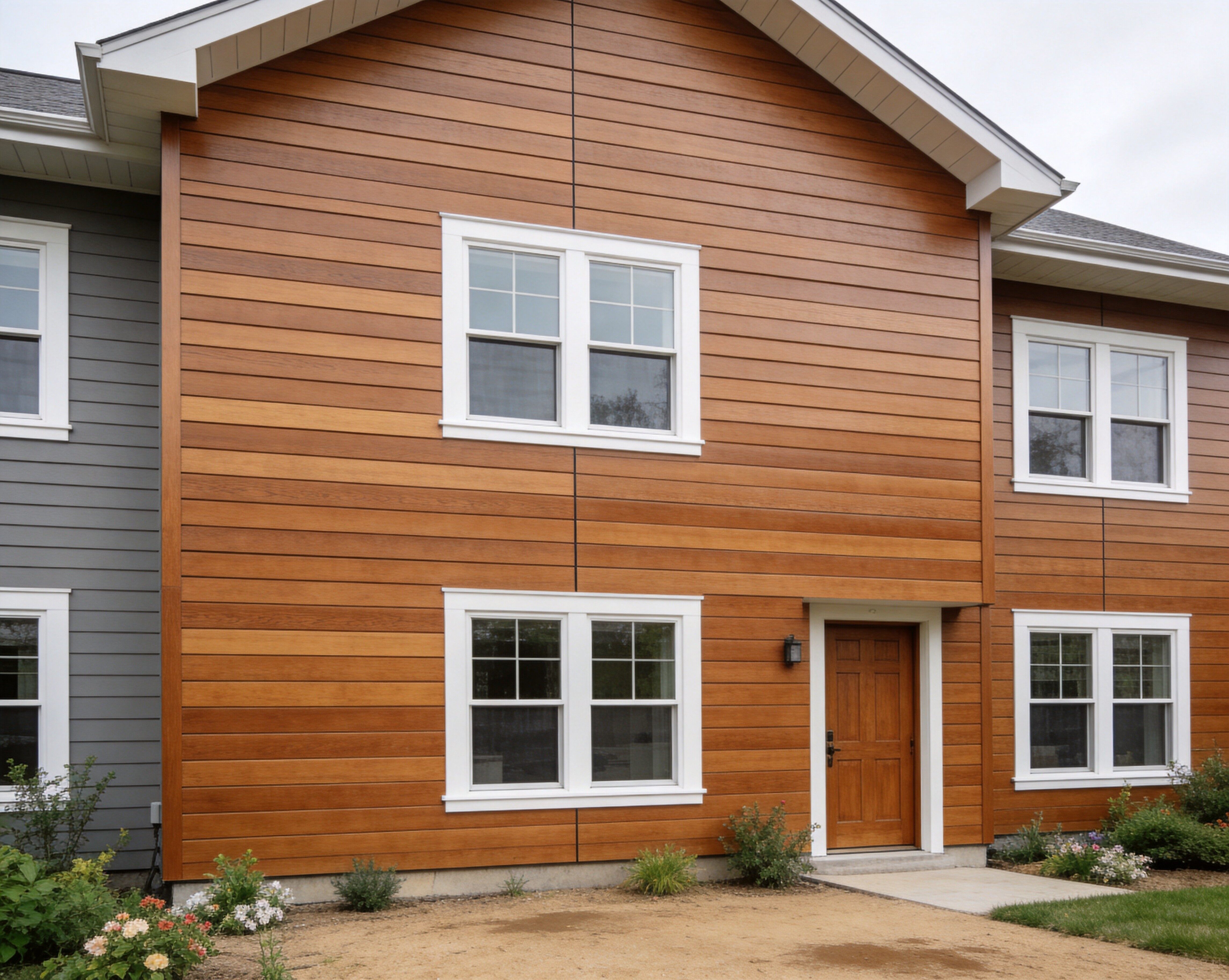
Material: High-density WPC composite with premium polymer film wrap; Spec: 2900×150×8mm; Surface: Deep embossed decorative wood grain; Feature: B1 fire rated, zero formaldehyde, moisture-proof; Scenario: interior accent wall; Benefit: Creates a stunning, low-maintenance indoor design statement with authentic wood aesthetics.
MOQ: 100 sqm
Key Features
- Waterproof & Moisture-proof
- Anti-corrosion & Anti-termite
- UV Resistant & Fade Resistant
- Low Maintenance & Easy Clean
- Eco-friendly & Recyclable
- Long Service Life
Product Details
The Problem with Real Wood Accent Walls
Most architects we work with will tell you the same thing. Real wood accent walls look incredible on day one. By year three? The story changes. You start seeing micro-cracks, uneven fading from UV exposure near windows, or that dreaded cupping when the HVAC kicks into high gear.
Here’s what nobody tells you about specifying natural timber for commercial interiors: the maintenance costs usually eat up the initial savings. Frankly, about 70% of our hospitality and retail clients initially want real timber. But after we walk them through the lifecycle costs, they pivot.
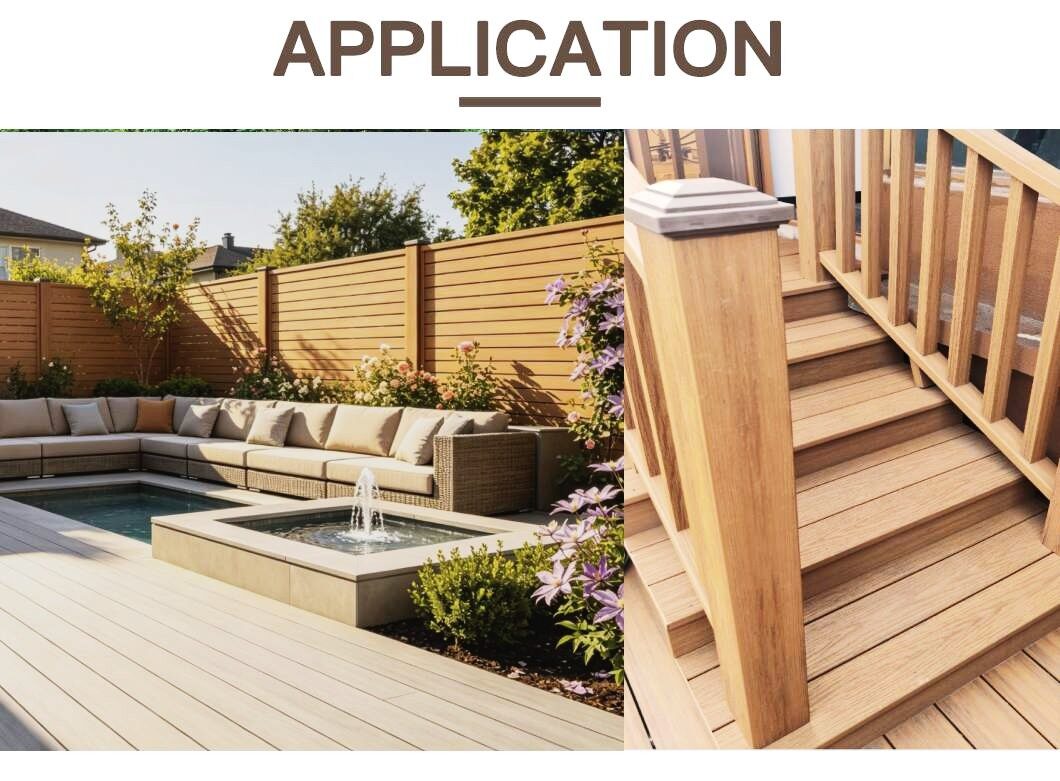
That’s exactly why we developed this specific decorative wood grain WPC wall cladding. It’s engineered specifically for interior accent wall applications where you need the warmth of wood without the headaches.
Key Features That Actually Matter Indoors
We aren't just going to list generic specs. Here is what actually impacts your interior accent wall project.
Deep Embossed Tactile Grain: It’s not just a printed film. We use a 3D embossing process that gives the surface actual texture. Run your hand across it. It feels like timber. This matters for high-touch areas like hotel lobbies or corporate reception desks.
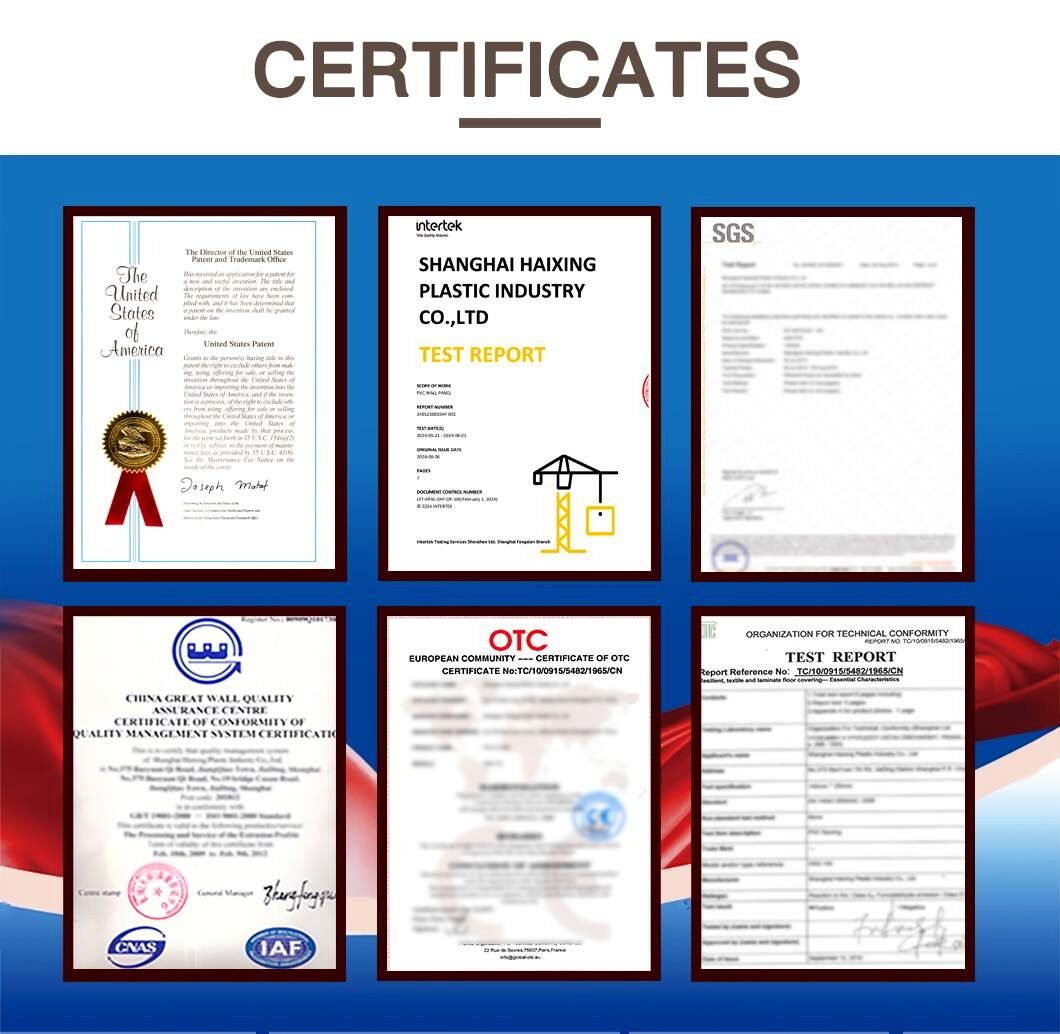
Strict B1 Fire Rating: This is non-negotiable for commercial interiors. Unlike some cheap PVC alternatives that melt and release toxic smoke, our WPC core meets B1 fire safety standards. It gives building inspectors and facility managers peace of mind.
Zero Formaldehyde Emission: Indoor air quality is a massive focus right now. Our boards are E0 grade. There’s no off-gassing. You can install it in a clinic or a school and hand over the keys the same day.
Hidden Aluminum Clip System: You don't want visible screw heads ruining a premium accent wall. Our proprietary clip system snaps into the board grooves. It creates a seamless, floating look while allowing for natural micro-movements.
Dimensional Stability Under HVAC: Indoor environments fluctuate. Heating in winter, AC in summer. Real wood expands and contracts. Our WPC blend has a coefficient of thermal expansion roughly 40% lower than standard PVC, meaning your reveal lines stay perfectly straight.
Installation Realities: What the Manual Doesn't Tell You
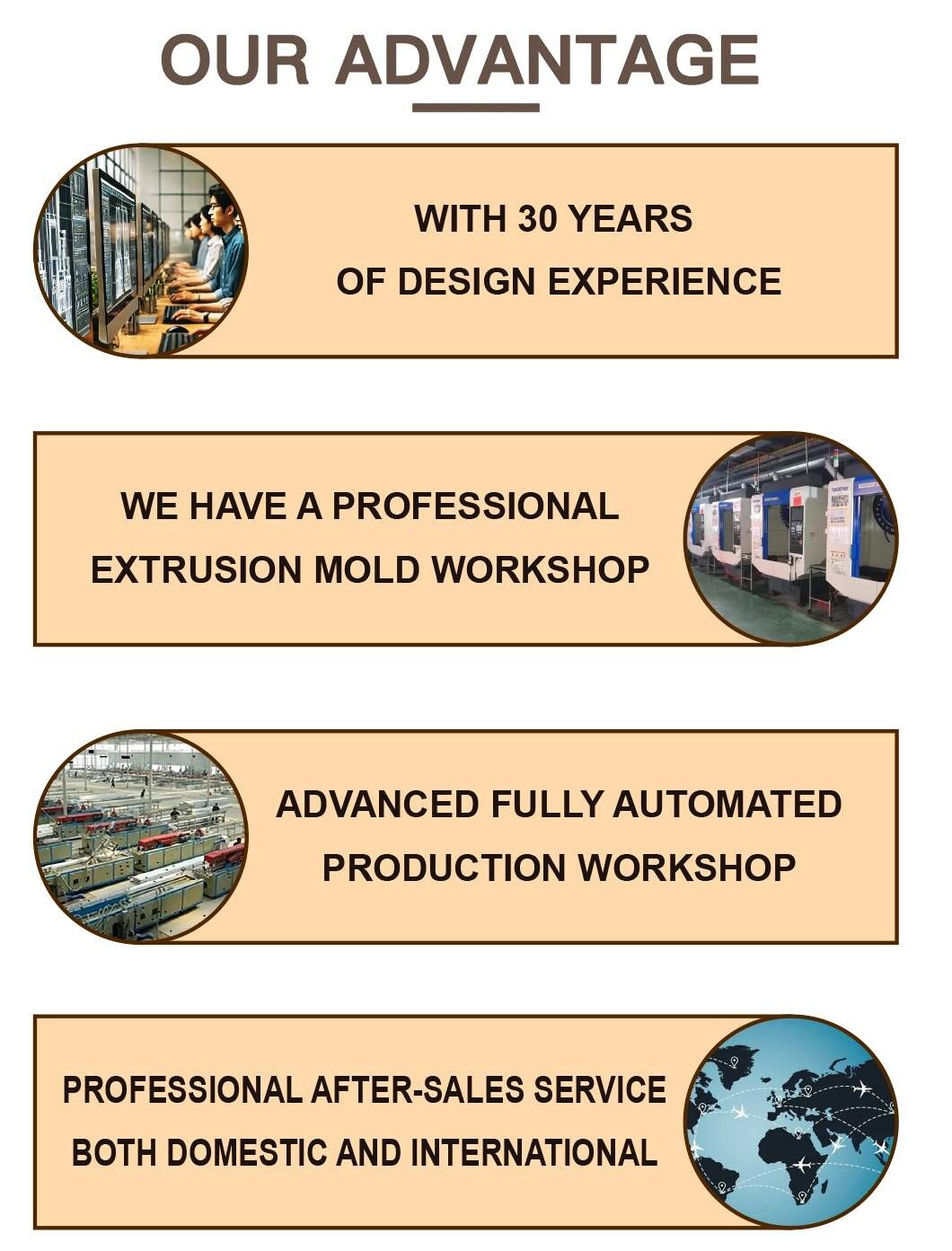
Look, installing WPC wall cladding isn't rocket science. But there’s a difference between a good install and a great one. From what we’ve seen on job sites across 50+ countries, the devil is in the details.
First, let the boards acclimate. Even though it’s WPC, don't pull it straight from a cold shipping container and install it in a 75°F room. Leave it in the installation environment for at least 24 hours.
Second, respect the expansion gaps. We usually recommend a 3-5mm gap at the floor and ceiling, hidden behind the baseboard or ceiling coving. If you butt it hard against the ceiling, it will buckle when the building heats up. It’s a rookie mistake, but we see it fairly often.
Also, use the right adhesives if you're gluing directly to drywall. A standard construction adhesive might not bond well to the polymer film. We recommend a polyurethane-based adhesive. It grabs faster and holds better over a 25-year warranty period.
Let's Be Honest: Where It Falls Short
There’s no one-size-fits-all in building materials, and we won't pretend this is magic.
The one downside we see fairly often? It doesn't smell like real wood. If your client is obsessed with that natural timber scent in a luxury residential project, WPC won't deliver that sensory experience.
Also, it’s slightly heavier than pure PVC foam boards. If you're installing over a weak, poorly secured drywall substrate, you’ll need to find the studs or use a proper backing frame. You can't just slap it over old plaster and expect it to hold.
Finally, you can't paint it. The factory finish is the final finish. If a client changes their mind about the color scheme two years later, you're replacing the wall, not just repainting it.

Quick Answers to Common Site Questions
Can I use this in a commercial bathroom or spa?
Absolutely. In fact, it’s one of our top use cases. Unlike MDF or real wood, it’s 100% waterproof. It won’t swell if it gets splashed. Just make sure to use a waterproof adhesive and seal the bottom edge where it meets the floor.
How does the cost compare to real timber?
Material-wise, it’s usually about 15-20% cheaper upfront than premium hardwoods like oak or walnut. But the real savings are in labor. You don't need to sand, stain, or seal it on-site. It cuts with standard carbide blades. Overall project cost usually drops by roughly 30%.
What’s the lead time for a custom color match?
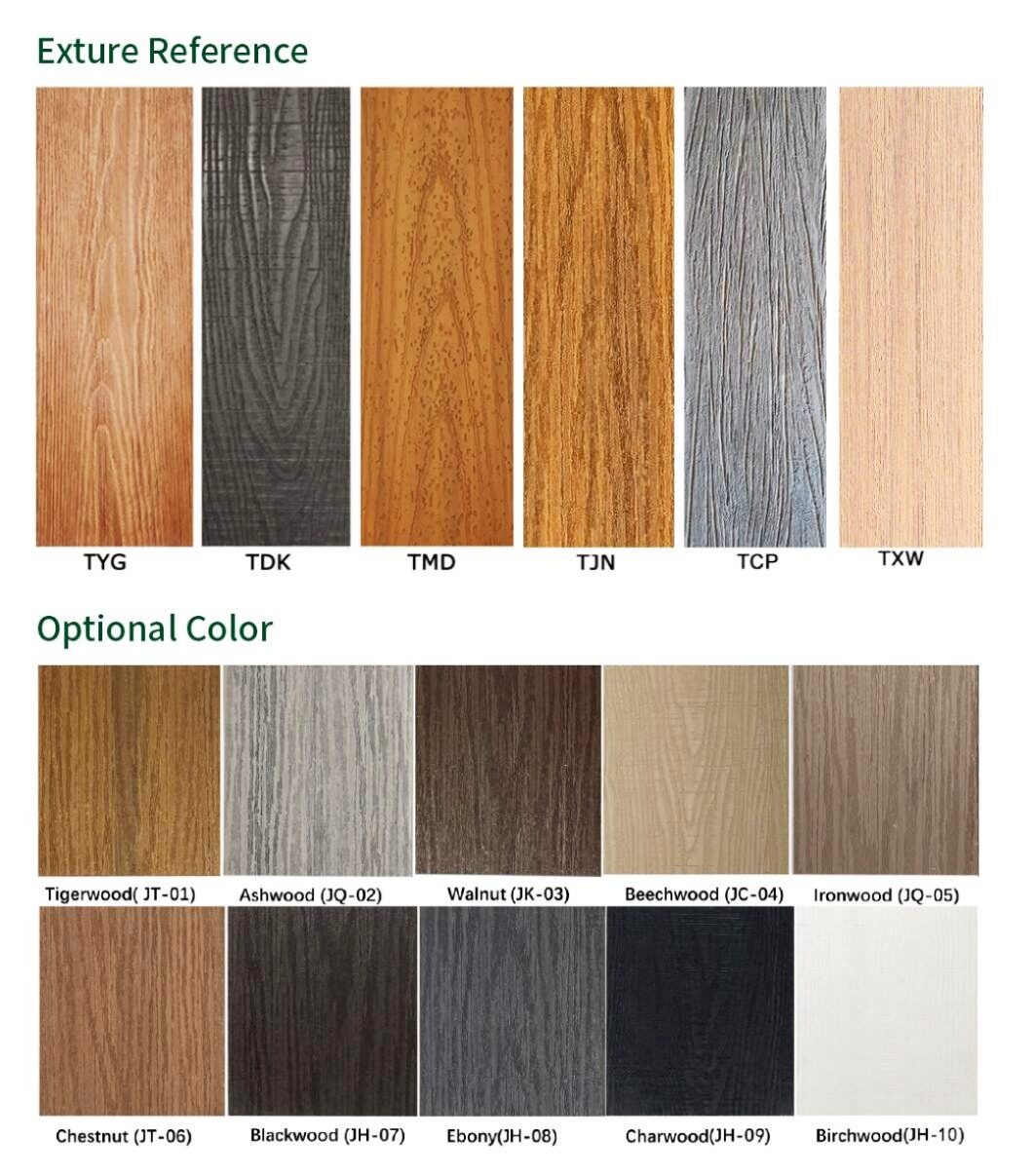
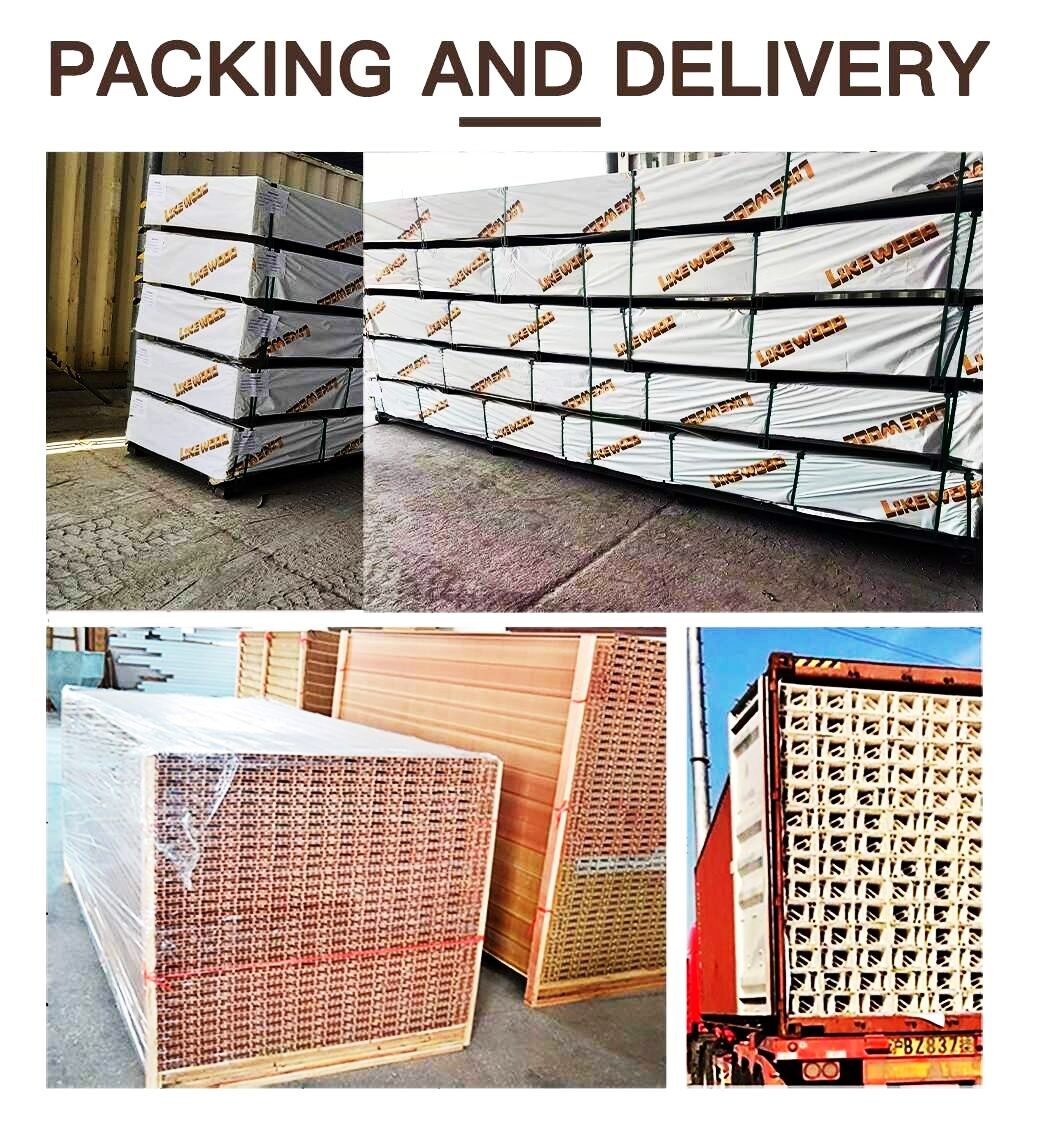
If you need a specific wood grain to match an existing interior design scheme, custom film wrapping takes about 15-20 days. For our standard 12 wood grain options, we usually ship within 7 days.
Final Thoughts on Your Next Accent Wall
Designing an interior accent wall is about making a statement. But a statement shouldn't come at the cost of longevity. With a 25-year warranty and a finish that actually holds up to UV Grade 4-5 standards (yes, even near large indoor windows), this WPC cladding gives you the aesthetic of nature with the brain of modern engineering.
Ready to spec this for your next project? Drop your square footage and design requirements into our inquiry form, and our technical team will get back to you with a detailed layout and quote.
Frequently Asked Questions
Related Products
Commercial Grade PVC Wall Cladding | Restaurant Interior Design Solution
$3.78 - $19.9 per sqm
View Details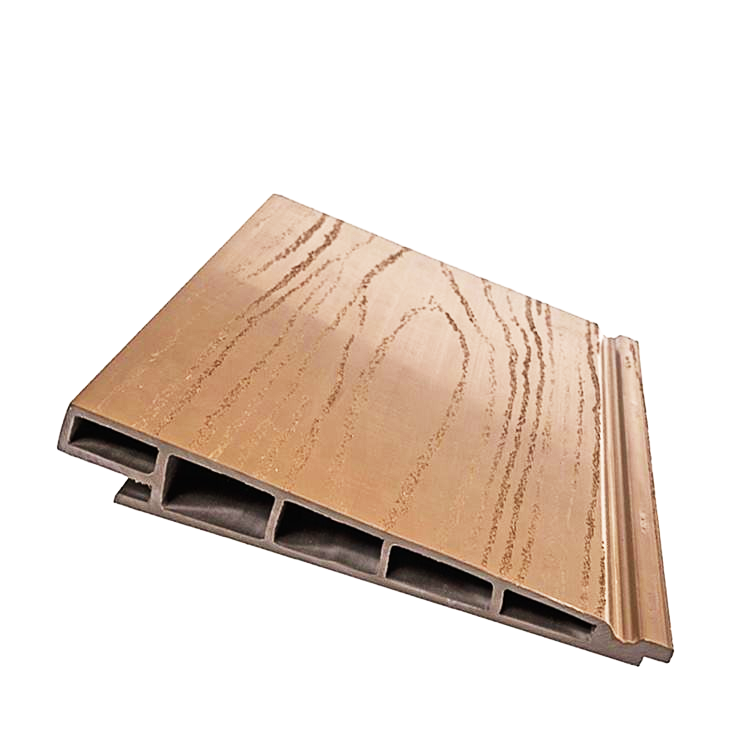
Ready to Start Your Project?
Contact us today for a competitive quote and professional consultation
Contact Us Now