
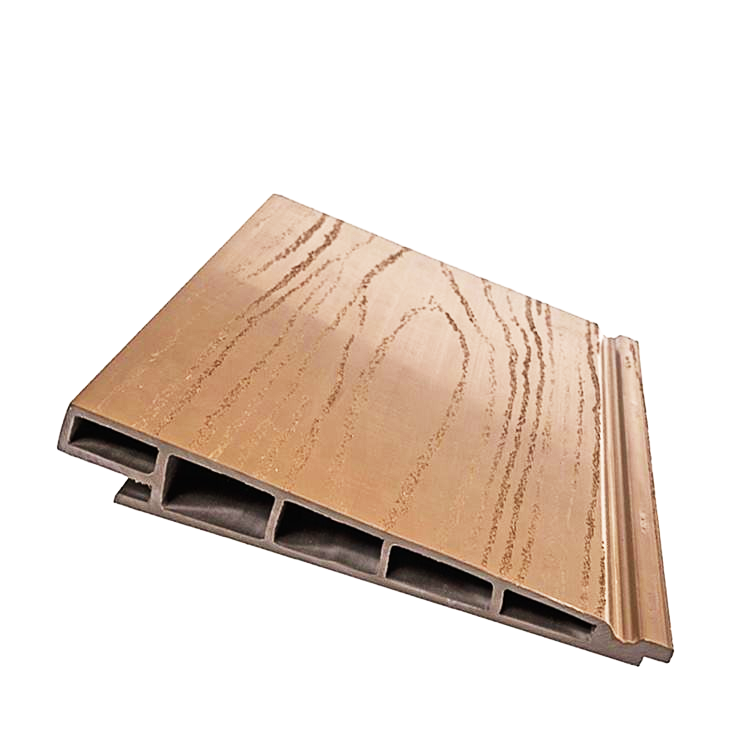
B1 Fire Rated PVC Wall Cladding | Commercial Facade Public Safety
Material: High-density rigid PVC with fire-retardant additives; Spec: 200×15mm; Surface: Matte textured finish; Feature: B1 fire rated, UV resistant, 100% waterproof; Scenario: commercial building facade; Benefit: Enhanced public safety and durable exterior aesthetics for high-traffic commercial properties
MOQ: 100 sqm
Key Features
- Waterproof & Moisture-proof
- Anti-corrosion & Anti-termite
- UV Resistant & Fade Resistant
- Low Maintenance & Easy Clean
- Eco-friendly & Recyclable
- Long Service Life
Product Details
Look, if you're cladding a commercial building, the architect's aesthetic vision is only half the battle. The other half? Getting past the fire marshal. We've seen projects delayed for weeks because the specified exterior panels didn't meet local fire codes. It's a headache you don't need. That's exactly why we engineered this specific PVC wall cladding to hit the B1 fire rating. It's not just about looking good on a commercial facade; it's about keeping the building—and the people inside it—actually safe.
When you're dealing with high-traffic public buildings—think retail centers, office blocks, or hospitals—the stakes are different than a residential home. A standard plastic-looking panel won't cut it. You need something that behaves like a premium exterior material but passes strict safety inspections. Most of the time, contractors assume they have to pay a massive premium for fire-rated materials. Generally speaking, that's true. But with our B1 grade PVC, we've managed to keep the cost roughly 15-20% lower than aluminum composite panels, without sacrificing the safety compliance.
Why This Cladding Works for Commercial Facades
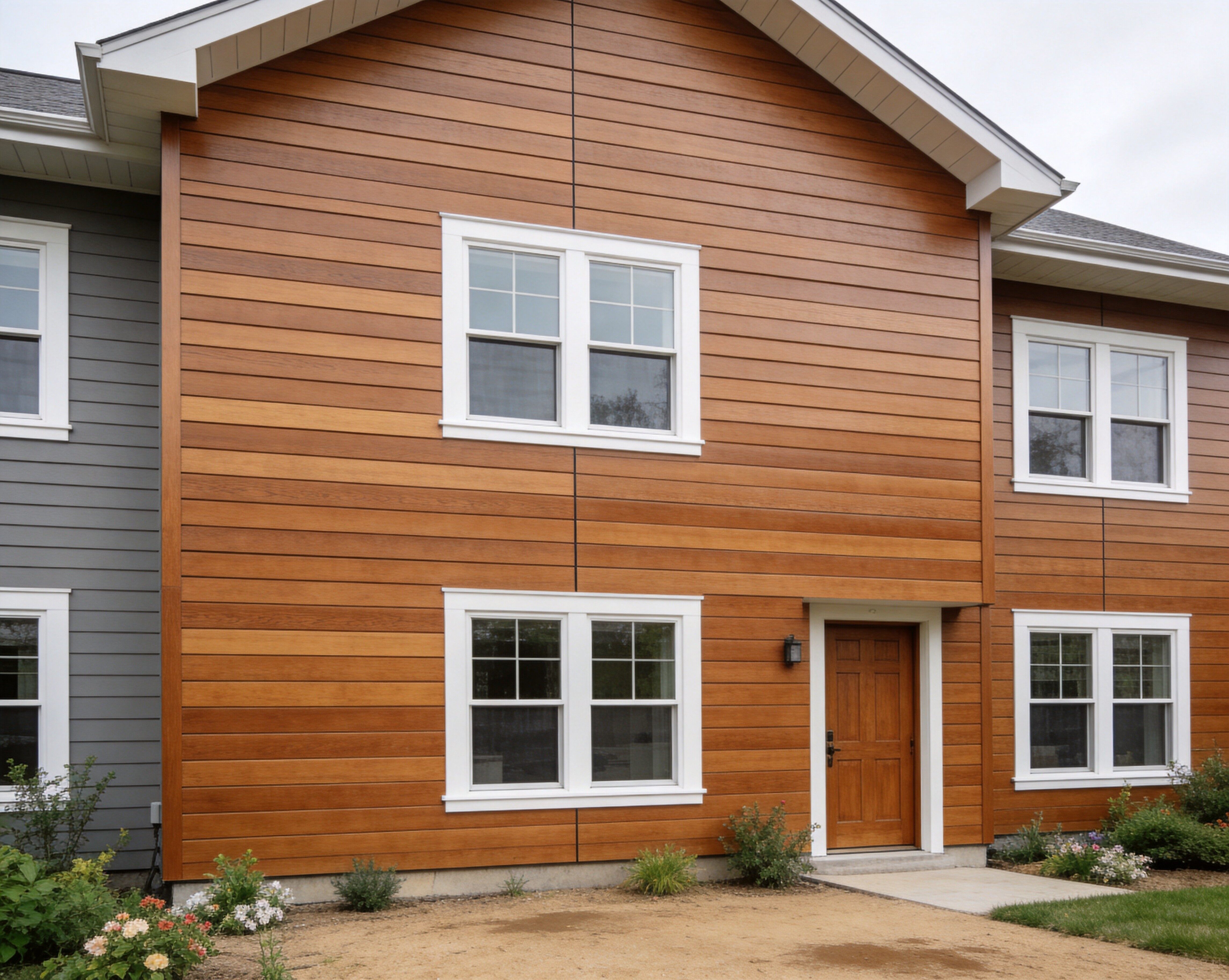
Let's be honest, commercial facades take a beating. UV exposure, thermal expansion, wind loads. But here's what we've noticed: when public safety is on the line, aesthetics often get pushed to the back burner. We wanted to fix that. This panel gives you a clean, modern matte finish that architects actually like, while ticking every safety box the building inspectors demand. We've exported this exact profile to over 50 countries, and the feedback from commercial developers is pretty consistent: it installs fast, looks sharp, and passes the fire test with zero drama.
What Actually Makes It Different
B1 Fire Rating: This is the big one. It's self-extinguishing. If a fire breaks out, the panel won't contribute to the spread. For public buildings, this isn't just a nice-to-have; it's the law in most municipalities.
UV Grade 4-5 Stability: Commercial buildings don't get to hide in the shade. Our formula includes advanced UV inhibitors. Does it fade a tiny bit over a decade? Sure, nothing stays perfectly pristine forever. But it won't chalk or degrade structurally for at least 15-20 years in harsh climates.
Hidden Fastener System: We hate seeing screw heads on a commercial exterior. It looks cheap. This system uses a tongue-and-groove hidden clip method. It gives you a seamless, continuous look across a 50-meter facade.
Thermal Break Design: The hollow-core structure doesn't just save weight. It actually provides a slight thermal break, which helps with the building's overall energy efficiency. It's a small perk, but the HVAC engineers appreciate it.
25-Year Structural Warranty: We back it up. Though realistically, if you're planning a commercial renovation in 15 years, you'll probably change the facade anyway. But for the lifespan of the current design, you're fully covered.
Installation: What the Manuals Don't Tell You
Installing PVC cladding on a commercial scale is different from a small residential job. You're dealing with larger scaffolding, higher wind loads, and stricter tolerances. Here's a practical tip from our installation crews: always let the panels acclimate on-site for at least 24 hours before fixing them. PVC expands and contracts. If you install it tight on a cold morning and the afternoon sun hits the facade, you're going to get buckling. Leave a 3-5mm expansion gap at the joints. It sounds basic, but you'd be surprised how often we get called out to fix warped panels because someone rushed the spacing.
The Catch? Let's Be Real.
It's not perfect. There's no one-size-fits-all in building materials. The one downside we see fairly often is impact resistance. If you're cladding the ground floor of a loading dock where forklifts are constantly backing up, this PVC will dent if hit hard. It's great for upper facades and pedestrian zones, but for high-impact ground-level corners, we usually recommend switching to a fiber cement board or a metal guard. Know where your vulnerabilities are.
Quick Questions from Project Managers
Q: Can this be used on high-rise buildings?
A: Generally, yes, but it depends on your local building codes. We've supplied it for buildings up to 10 stories. Above that, some jurisdictions require non-combustible materials (A1/A2 rating) regardless of the B1 rating. Always check with your local fire marshal first.
Q: How does it handle extreme temperature swings?
A: Surprisingly well. The formulation handles temperatures from -40°C to 60°C. The key is proper installation—leaving those expansion gaps we mentioned. If you lock it down too tight, the thermal expansion will cause issues.
Q: Can we get custom colors for our brand?
A: We can, but there's a catch. Custom colors require a minimum order of about 1,000 square meters because we have to calibrate the extrusion line. For smaller commercial projects, we highly recommend sticking to our standard palette (Anthracite Grey, Basalt Black, and Sandstone). They hold UV stability better anyway.
Frequently Asked Questions
Related Products
Commercial Grade PVC Wall Cladding | Restaurant Interior Design Solution
$3.78 - $19.9 per sqm
View Details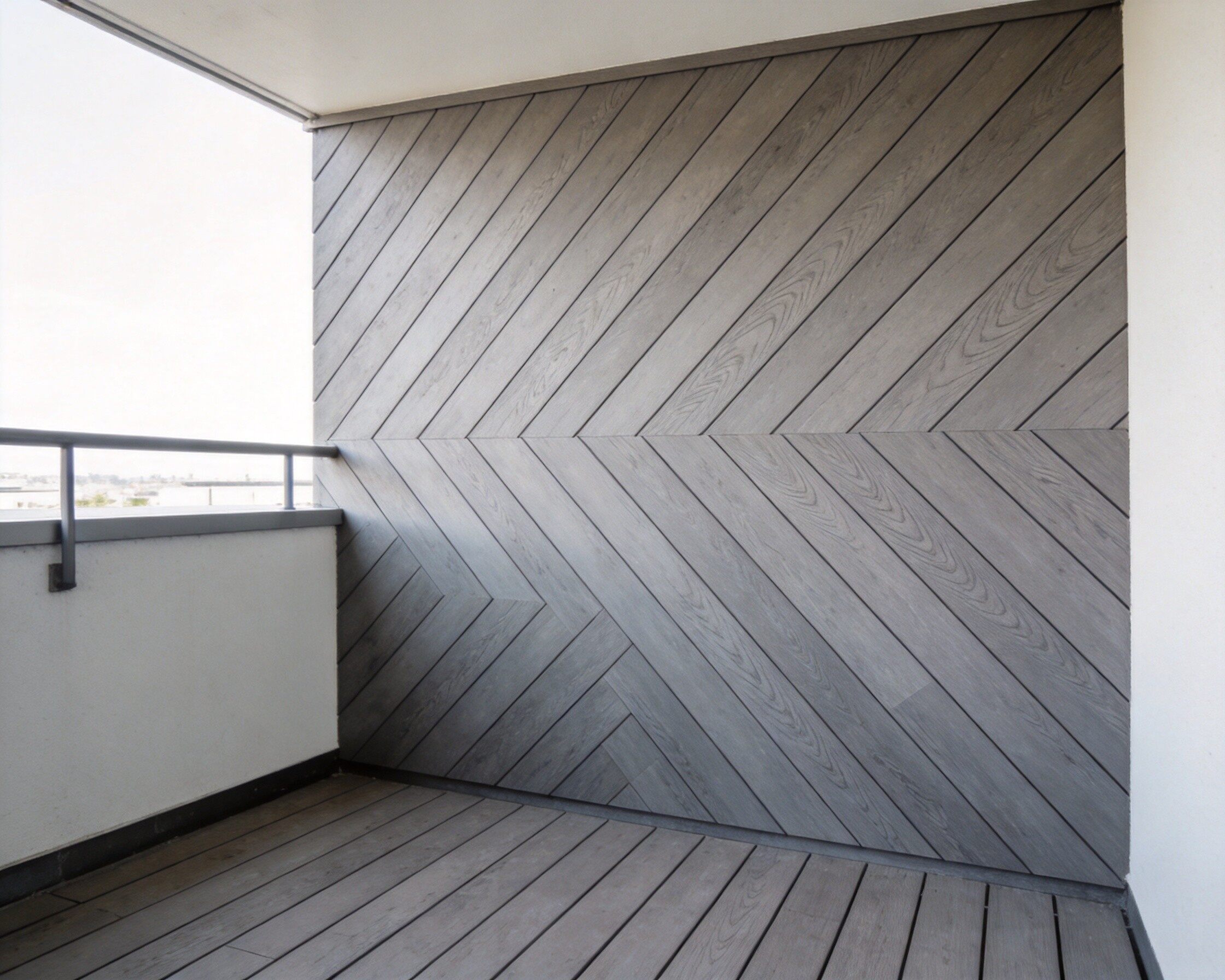
Ready to Start Your Project?
Contact us today for a competitive quote and professional consultation
Contact Us Now