
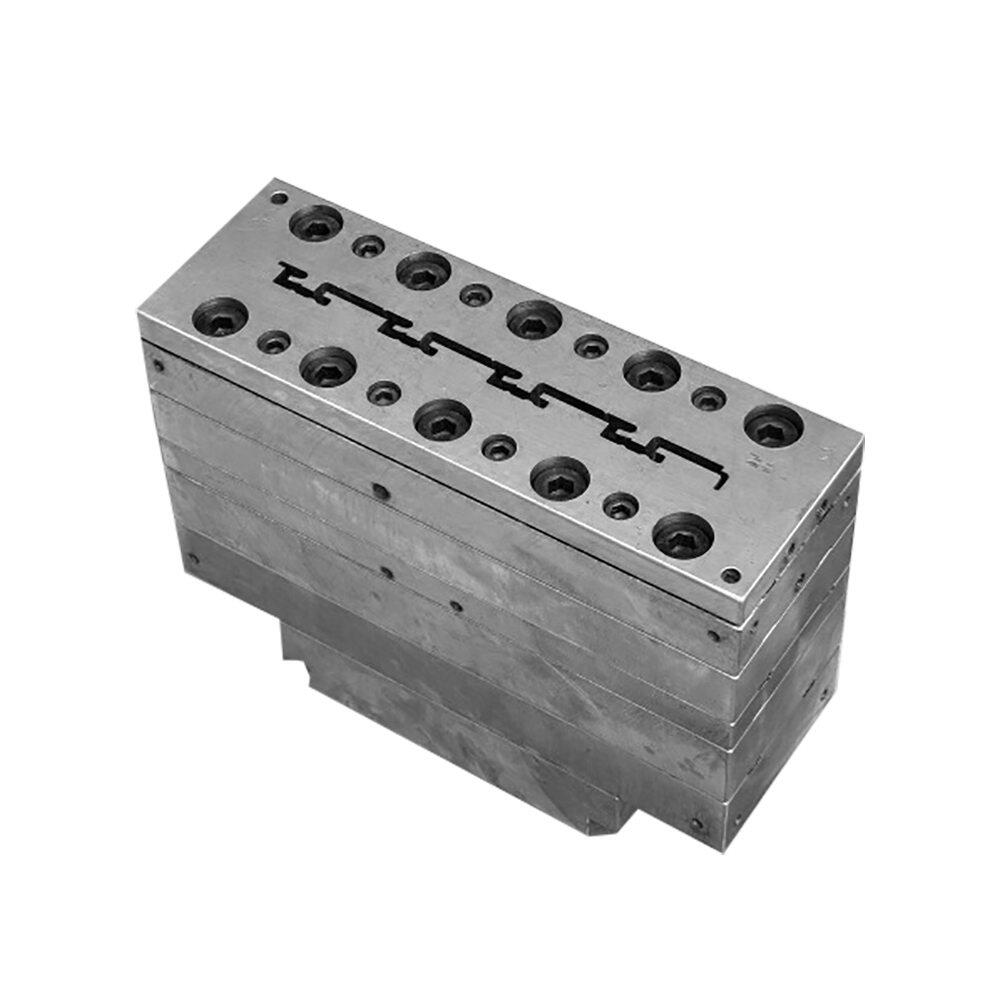
Multi-Cell Extrusion Die | Wall Cladding Profile Lightweight Rigid Panel
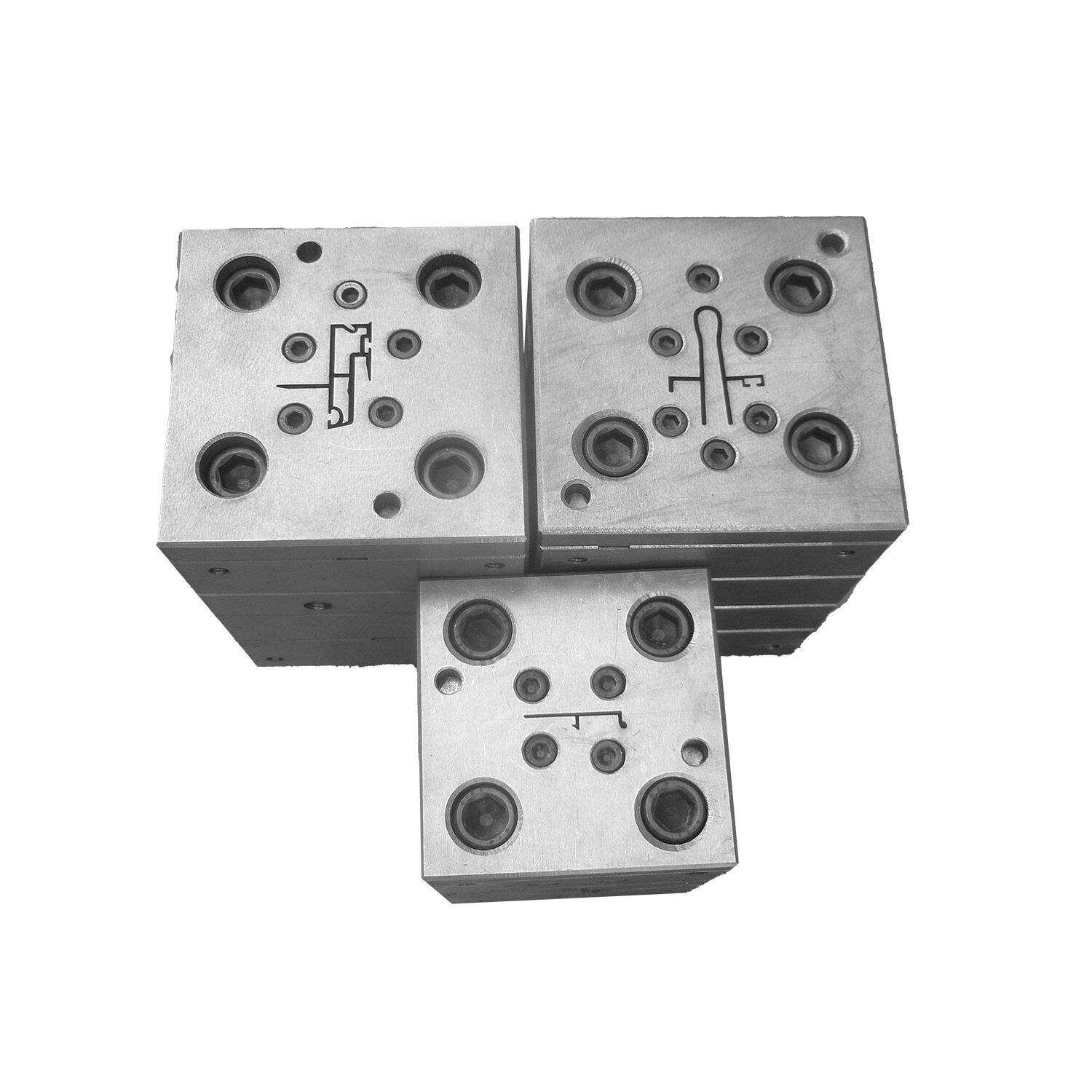
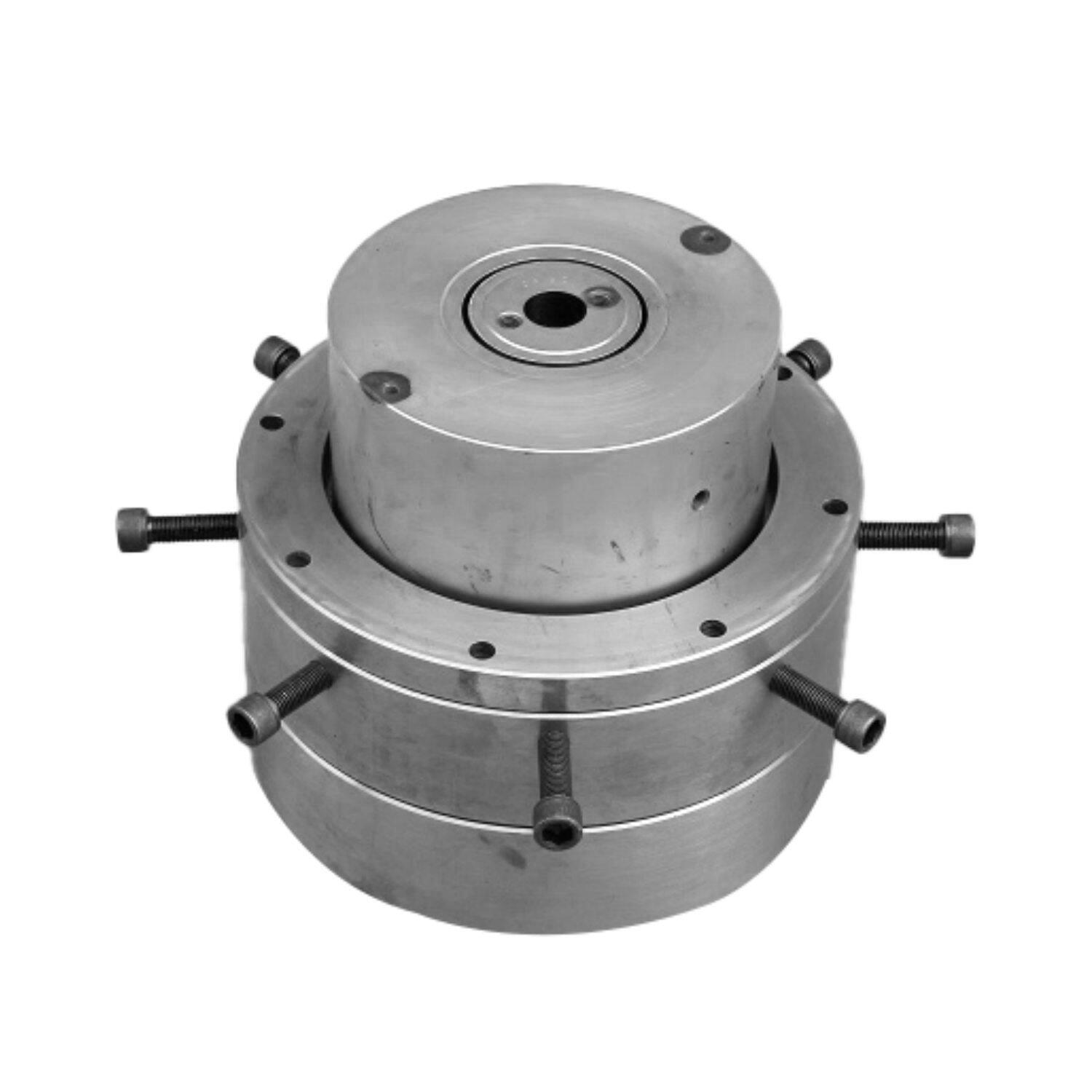
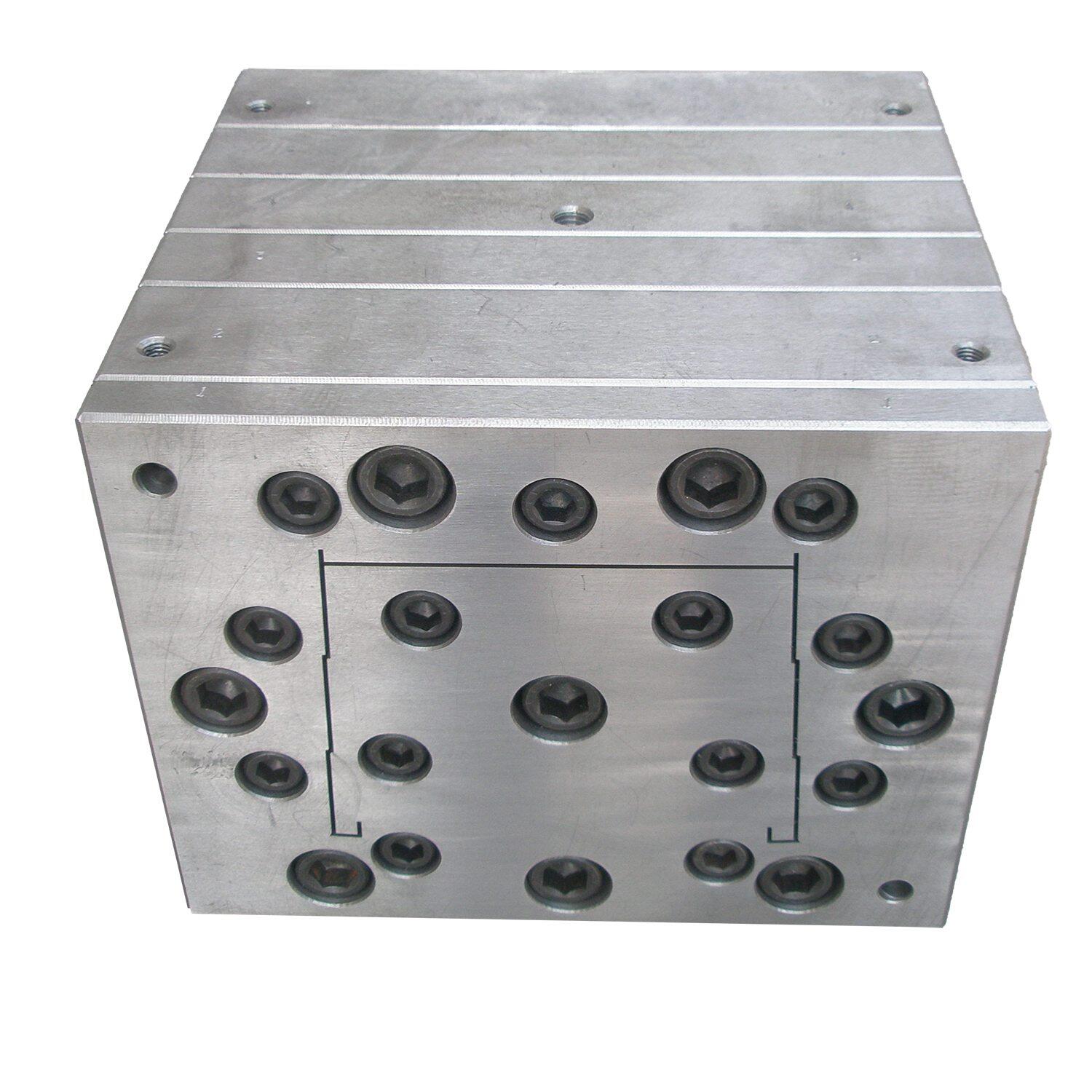
Material: Premium H13 tool steel with tungsten carbide coating; Spec: Custom multi-cavity flow channels; Surface: Mirror-polished internal flow path; Feature: Precision multi-cell die design for uniform wall thickness; Scenario: wall cladding profile; Benefit: High-efficiency production of lightweight rigid panels with superior structural integrity
MOQ: 1 sqm
Key Features
- Waterproof & Moisture-proof
- Anti-corrosion & Anti-termite
- UV Resistant & Fade Resistant
- Low Maintenance & Easy Clean
- Eco-friendly & Recyclable
- Long Service Life
Product Details
About 70% of the wall cladding profiles we see failing in the field trace back to one thing: poor internal structure. Usually, it's a die design issue. Look, most traditional die manufacturers will tell you a standard single-cavity design is perfectly fine for PVC or WPC wall cladding. Frankly, they’re wrong.
When you're extruding profiles meant for exterior or interior wall cladding, you're fighting physics. The panel needs to be light enough that the adhesive or mechanical fasteners don't fail under its own weight. But it also has to be rigid enough that it doesn't bow, warp, or crack when an installer leans a ladder against it. That’s where a multi-cell die design completely changes the game.
Why This Multi-Cell Die Changes the Game for Wall Cladding
Here's the thing about single-cavity dies: they force you to choose between weight and strength. If you make the walls thick to add rigidity, the profile gets heavy. Installers hate heavy cladding. It slows them down and increases structural load on the building. If you make the walls thin to save weight, the panel feels cheap and flexes too much.
Our multi-cell extrusion die solves this by creating a honeycomb-like internal structure. It drops the overall weight of the profile to about 3.5kg per square meter while maintaining incredible rigidity. The internal cells act like structural I-beams. You get a panel that feels solid, handles impact well, and won't sag over a 3-meter span.
The profiles you pull from this die are engineered to consistently achieve UV Grade 4-5 and B1 fire ratings. This reliability is exactly why your end-clients can confidently offer a 25-year warranty on the finished cladding. We’ve actually exported this specific multi-cell die design to over 50 countries, and the feedback from factory floors is pretty universal: it just makes the final product better.
Key Features That Actually Matter on the Extrusion Line
We didn't just design this die to look good on a spec sheet. Every feature is tied to making your extrusion line run smoother and your output more consistent.
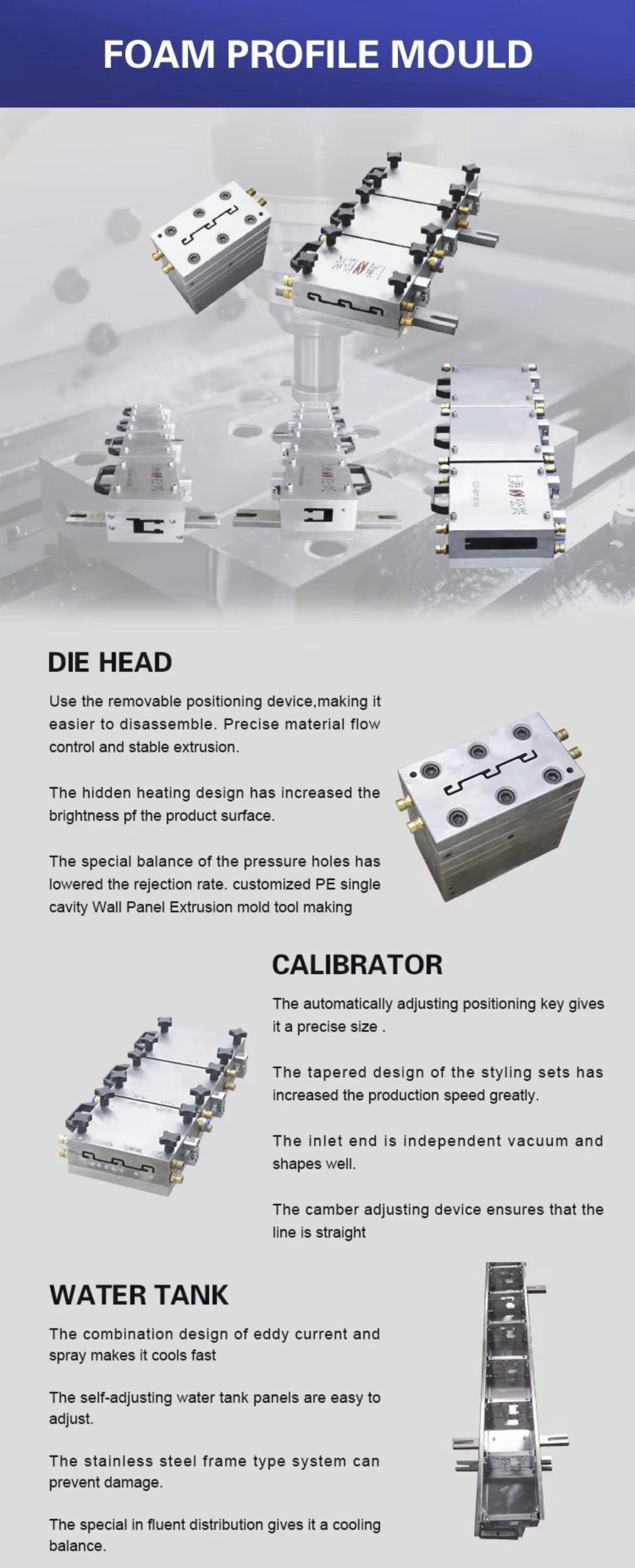
Precision multi-cavity flow balancing: The internal manifold ensures melt pressure is perfectly distributed across all cells. This prevents the thin outer walls from cooling faster than the thick inner ribs, eliminating sink marks.
Tungsten carbide internal coating: PVC and WPC melts are highly abrasive. This coating extends the die's lifespan to roughly 500,000 meters of extrusion before you even need to think about polishing the flow channels.
Adjustable lip gap for thickness tolerance: You can tweak the die lips to keep wall thickness within a strict +/- 0.1mm tolerance. This is crucial for the interlocking joints of wall cladding.
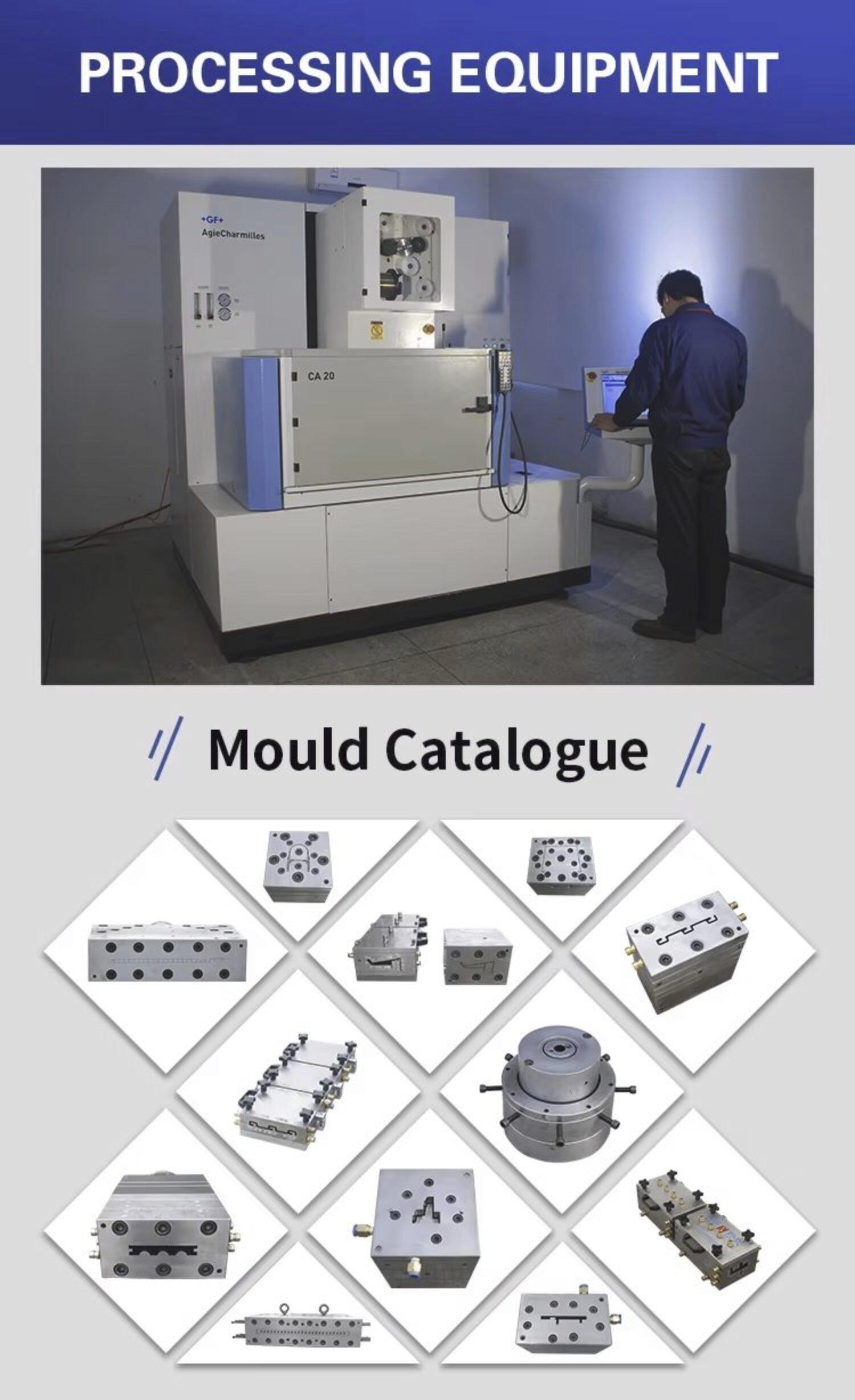
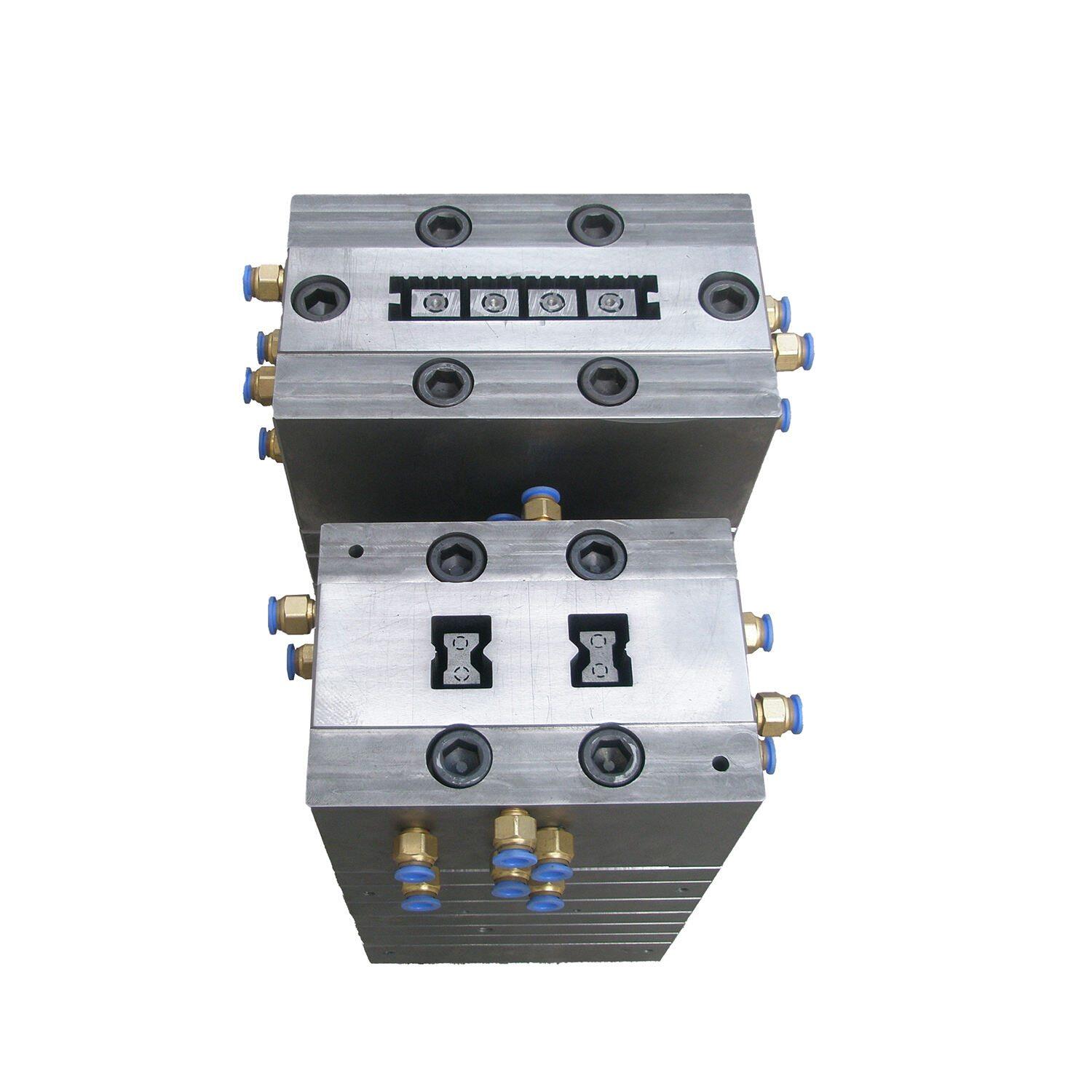
Optimized cooling water channels: The die body features integrated water cooling paths that reduce cycle time by about 15-20%, letting you pull the profile faster without distorting the multi-cell structure.
Modular manifold design: When you inevitably need to clean out a degraded batch of material, the modular design lets your team disassemble and reassemble the die in under an hour.
Let's Be Honest About the Downsides
It's not perfect — here's where it falls short for some buyers. Multi-cell dies are roughly 20-30% more expensive upfront than standard single-cavity dies. You're looking at around $4,500 for this setup, depending on the profile width. The catch is they also require a bit more tuning during the first extrusion run. Balancing the melt flow across multiple cells takes a skilled extrusion operator.
But the ROI? Usually pays off within the first 50,000 meters of production because your scrap rate drops significantly and you can run the line faster.
Tuning Tips for Your Extrusion Setup
Since you're the manufacturer, 'installation' for you means line setup. From what we've seen in partner factories, here are a few things to keep in mind when threading this die:
Heat zones: Don't just crank the heat to get the melt flowing. Keep the die body temperatures about 5-10°C lower than your extruder barrel. This helps the multi-cell structure hold its shape as it exits the die.
Melt pressure: Watch your pressure gauge closely. A steady melt pressure of around 150-180 bar is the sweet spot for this specific multi-cell geometry. If it spikes, your material might be degrading.
Calibration table vacuum: Because the profile has multiple hollow cells, you'll need slightly higher vacuum pressure on your calibration table to ensure the outer skin pulls tight against the cooling tank.

Quick FAQs from the Factory Floor
Can this die handle foamed PVC (Celuka) for wall cladding?
Yes, but with a caveat. The multi-cell design works brilliantly with free-foam and co-extruded Celuka processes. However, you'll need to adjust the chemical foaming agent ratio in your mix. The internal cells restrict expansion slightly, so we usually recommend increasing the foaming agent by about 5-8% compared to a solid profile.
How long before we need to polish the flow channels?
With the tungsten carbide coating, you're looking at a solid 500,000 meters of trouble-free production. Most of the time, though, it depends on how clean your raw material is. If you're using a lot of recycled WPC with high silica content, you might need a light polish at 300,000 meters.
What's the max line speed we can push with this die?
Generally speaking, you can push line speeds up to 3.5 meters per minute for a standard 200mm wide wall cladding profile. If you try to go faster, the multi-cell internal structure won't have enough time to cool properly in the calibration tank, and you'll get internal voids.
Upgrading your tooling is a big decision. But if you're serious about dominating the wall cladding market with a product that's genuinely lightweight and rigid, this die is the right starting point.
Frequently Asked Questions
Related Products
Bespoke WPC Extrusion Die | Custom Fence Rail Brand-Specific Section
$900 - $5000 per pcs
View DetailsReady to Start Your Project?
Contact us today for a competitive quote and professional consultation
Contact Us Now