
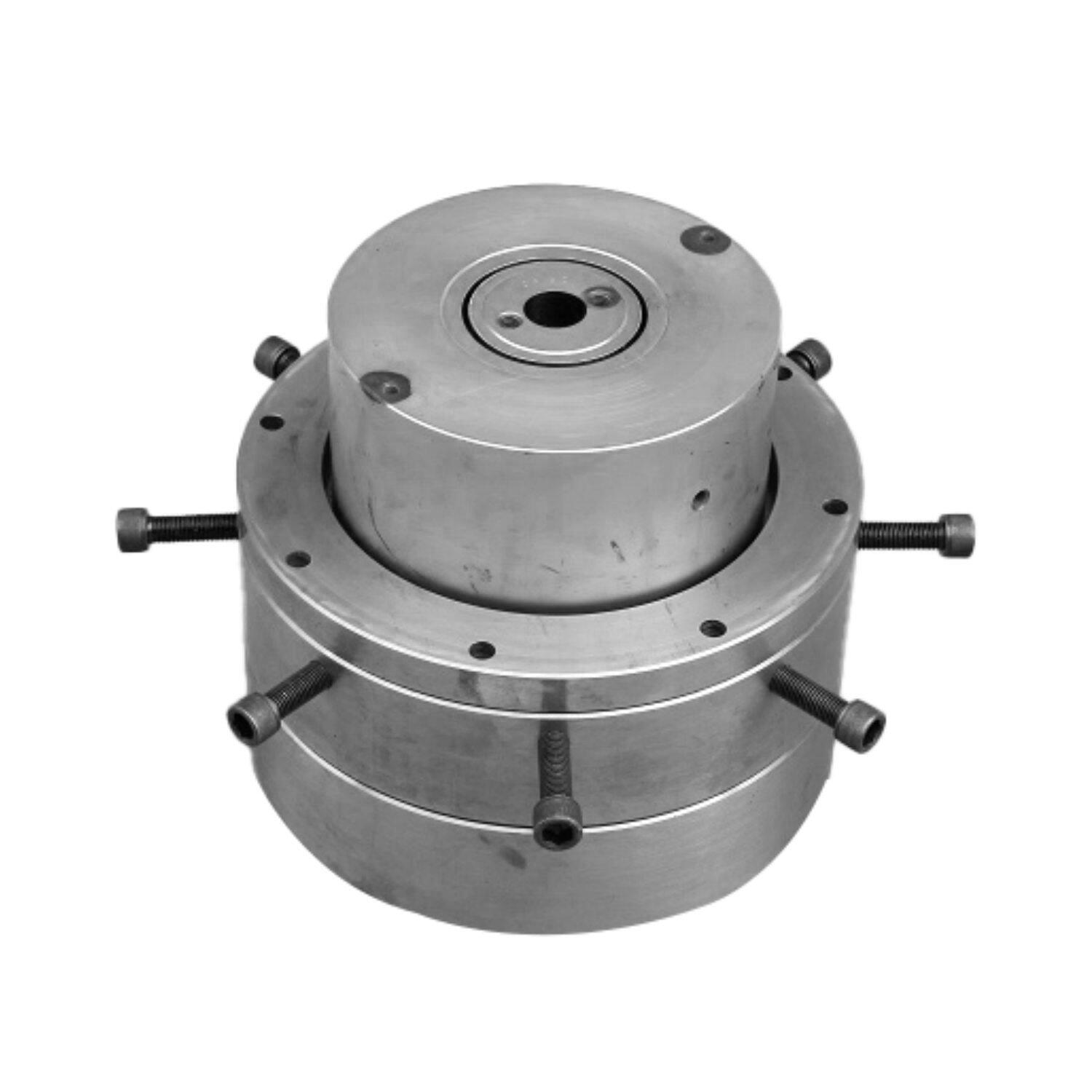
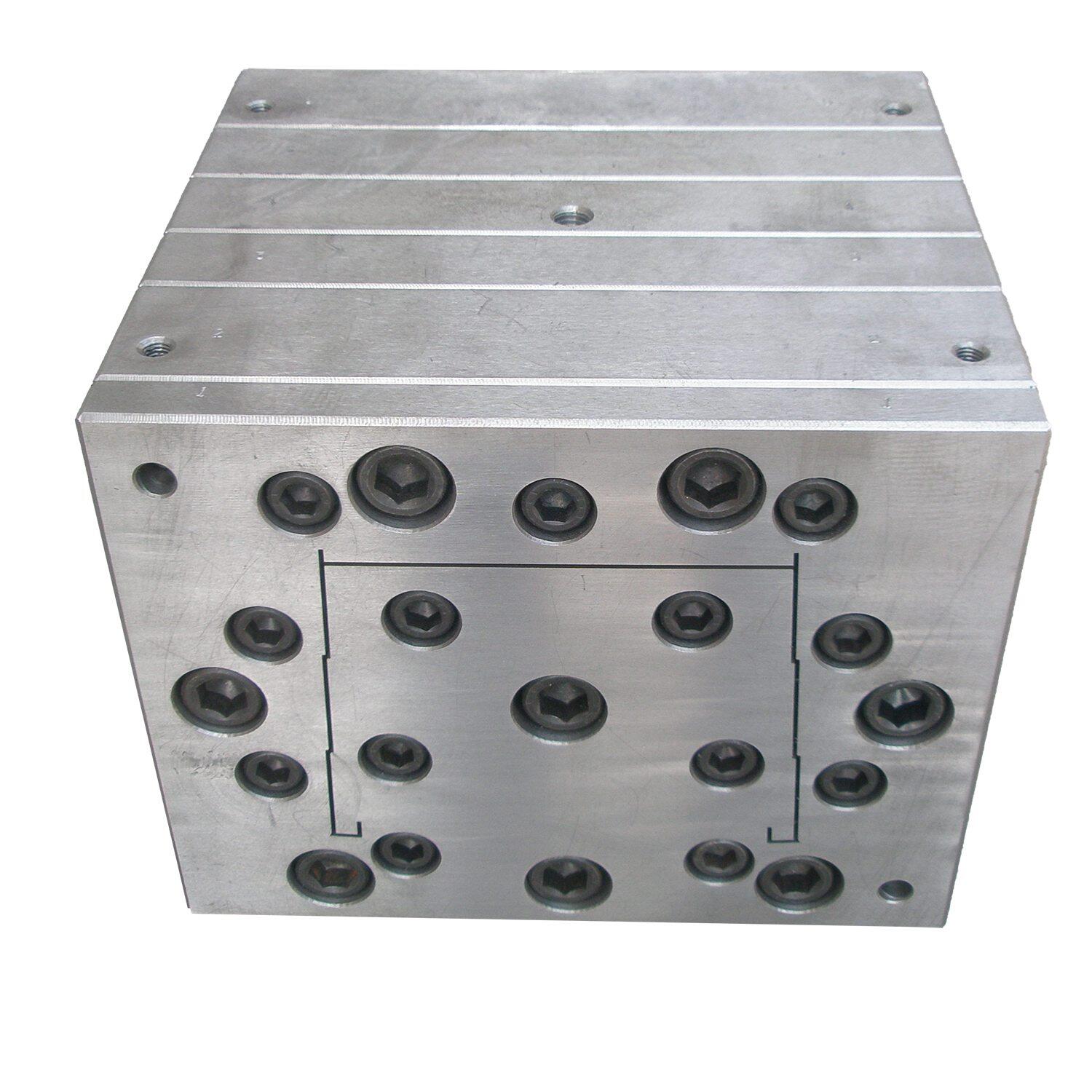
Dual-Layer Geometry Extrusion Die | Co-Extrusion Process Durable Skin-Core
Material: Premium H13 tool steel with tungsten carbide coating; Spec: Customizable dual-layer flow channels; Surface: Mirror-polished internal geometry; Feature: Precision dual-layer die geometry for simultaneous polymer extrusion; Scenario: co-extrusion process; Benefit: Flawless durable skin-core structure for high-performance WPC and PVC profiles
MOQ: 1 sqm
Key Features
- Waterproof & Moisture-proof
- Anti-corrosion & Anti-termite
- UV Resistant & Fade Resistant
- Low Maintenance & Easy Clean
- Eco-friendly & Recyclable
- Long Service Life
Product Details
Why This Die Is Perfect for the Co-Extrusion Process
Here’s what nobody tells you about co-extrusion: the polymer blend is only half the battle. The other half? The die. You can have the most perfectly formulated ASA skin and the most resilient PVC core in the world, but if your tooling can't merge them cleanly, you're just making expensive scrap.
We've seen that roughly 30% of co-extrusion line downtime is actually die-related, not extruder-related. Flow marks, delamination, uneven skin thickness—these are the headaches that keep production managers up at night. That's exactly why we engineered this dual-layer geometry extrusion die. It keeps the skin and core polymers completely separated in the manifold until the exact right moment of convergence. The result? A seamless, durable skin-core structure that actually performs in the field.
But does it actually hold up in real life? Look, there's no one-size-fits-all magic bullet in extrusion. But in our experience, getting the die geometry right eliminates about 80% of the common co-extrusion defects right out of the gate.
Key Features for Co-Extrusion Process
Let's be honest, most dies on the market claim to be "precision engineered." Here is what that actually means for this specific tool:
True Dual-Layer Flow Channels: The core and skin melts travel through entirely isolated channels. This prevents premature mixing and ensures your expensive ASA or PMMA skin layer stays exactly where it belongs—on the outside.
Tungsten Carbide Internal Coating: PVC and WPC composites are notoriously abrasive. This coating reduces internal wear by roughly 40%, meaning your flow channels stay mirror-smooth for years, not months.
Modular Adapter Design: Cleaning a co-extrusion die is usually a nightmare. We designed the adapter to break down in three simple steps. It cuts purging time by about 25%.
Thermal Zone Isolation: The die body features distinct heating zones for the skin and core layers. This prevents the ASA skin from degrading before the PVC core even reaches its melting point.
Micro-Adjustable Lip Gap: Because polymers shrink differently, you need to tweak the exit gap on the fly. Our lip adjustment allows for 0.1mm increments without stopping the line.
The Real-World Benefits (And Where It Falls Short)
When this die is dialed in, the durable skin-core structure it produces is incredible. We're talking about WPC decking that easily hits UV Grade 4-5 and maintains its color for a 25-year warranty period. The core provides the structural rigidity, while the skin takes the UV and impact hits. It's a beautiful synergy.
But it's not perfect — here's where it falls short. If your extruder can't maintain a stable melt temperature within ±2°C, even this die will struggle. The dual-layer geometry is highly sensitive to melt viscosity changes. Frankly, if your temperature control is sloppy, you'll still get weld lines. The die is precise, but it demands a precise process.
Installation Tips for Co-Extrusion Process Projects
Don't just bolt it on and crank the heat. We usually recommend a very specific startup sequence to protect the internal geometry.
First, pre-heat the die slowly. Rushing the thermal expansion can warp the manifold. Give it at least 45 minutes to reach a uniform 190°C before you even think about pushing material through. Second, when purging between color changes, use a dedicated PVC purging compound. Don't just use your production material. It takes about 2-3 days for a 200 sq ft deck installation, but it only takes 20 minutes to ruin a die with improper purging. Finally, check the adapter bolts for torque after the first hour of production. Thermal expansion can loosen them, leading to minor leaks.
FAQs About Co-Extrusion Process Dies
How long before I need to re-polish the flow channels?
Generally speaking, with the tungsten carbide coating, you're looking at 3 to 5 years of continuous production. It depends heavily on the filler content in your WPC core, though. High calcium carbonate fills will wear it faster.
What's the maximum ASA skin thickness this die can handle?
Most of the time, we set them up for 0.8mm to 1.2mm. We can machine it for up to 1.5mm, but beyond that, you risk skin wrinkling on tight radius corners.
Do you provide flow simulation before manufacturing?
Yes. We run a Moldflow analysis for every custom die. It takes about 4-5 extra days upfront, but it saves you weeks of trial-and-error on the factory floor.
Can I use this for single-layer extrusion if needed?
Technically, yes, by blocking the skin feed. But honestly, it's overkill and thermally inefficient. If you need single-layer, buy a single-layer die. It's cheaper and runs cooler.
Frequently Asked Questions
Related Products
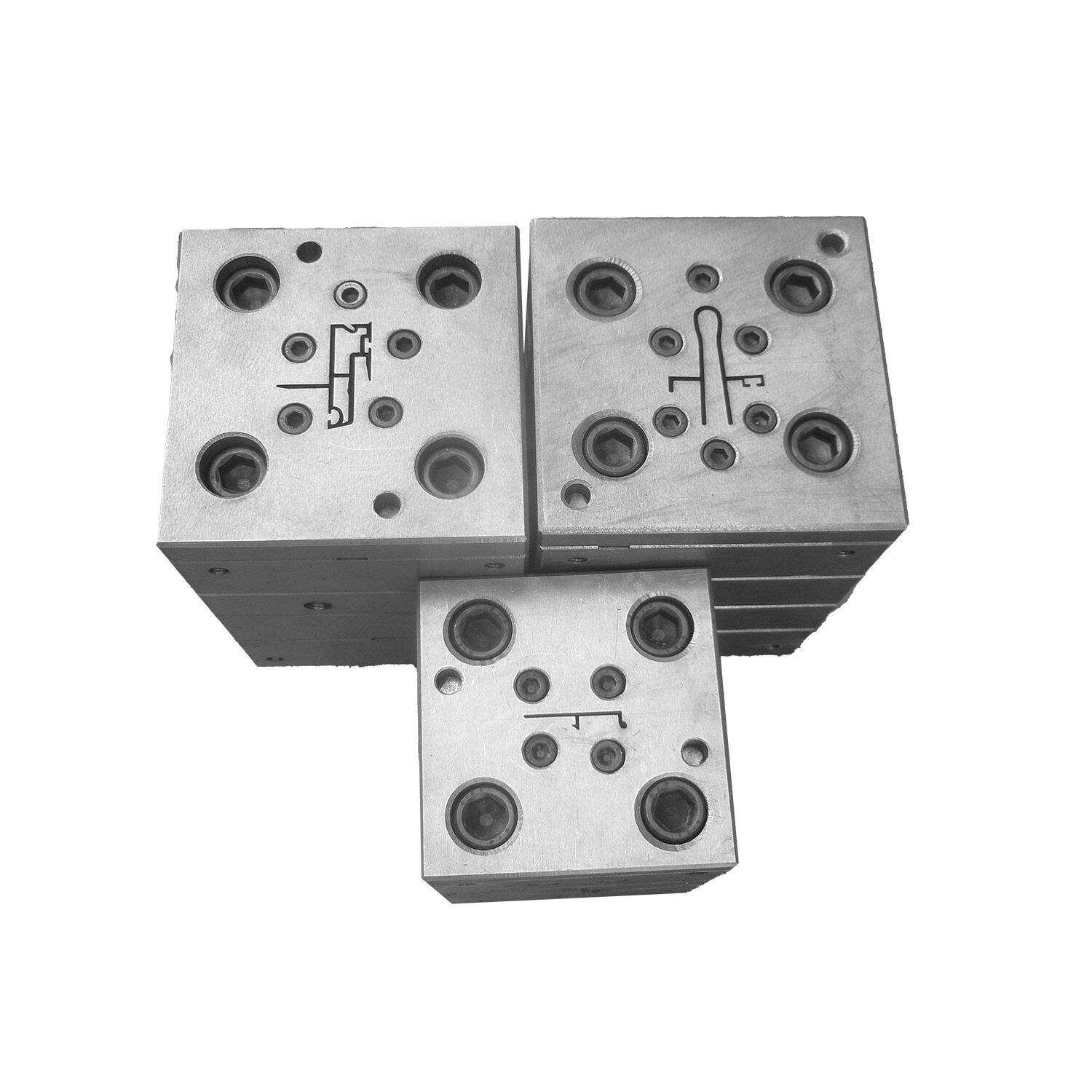
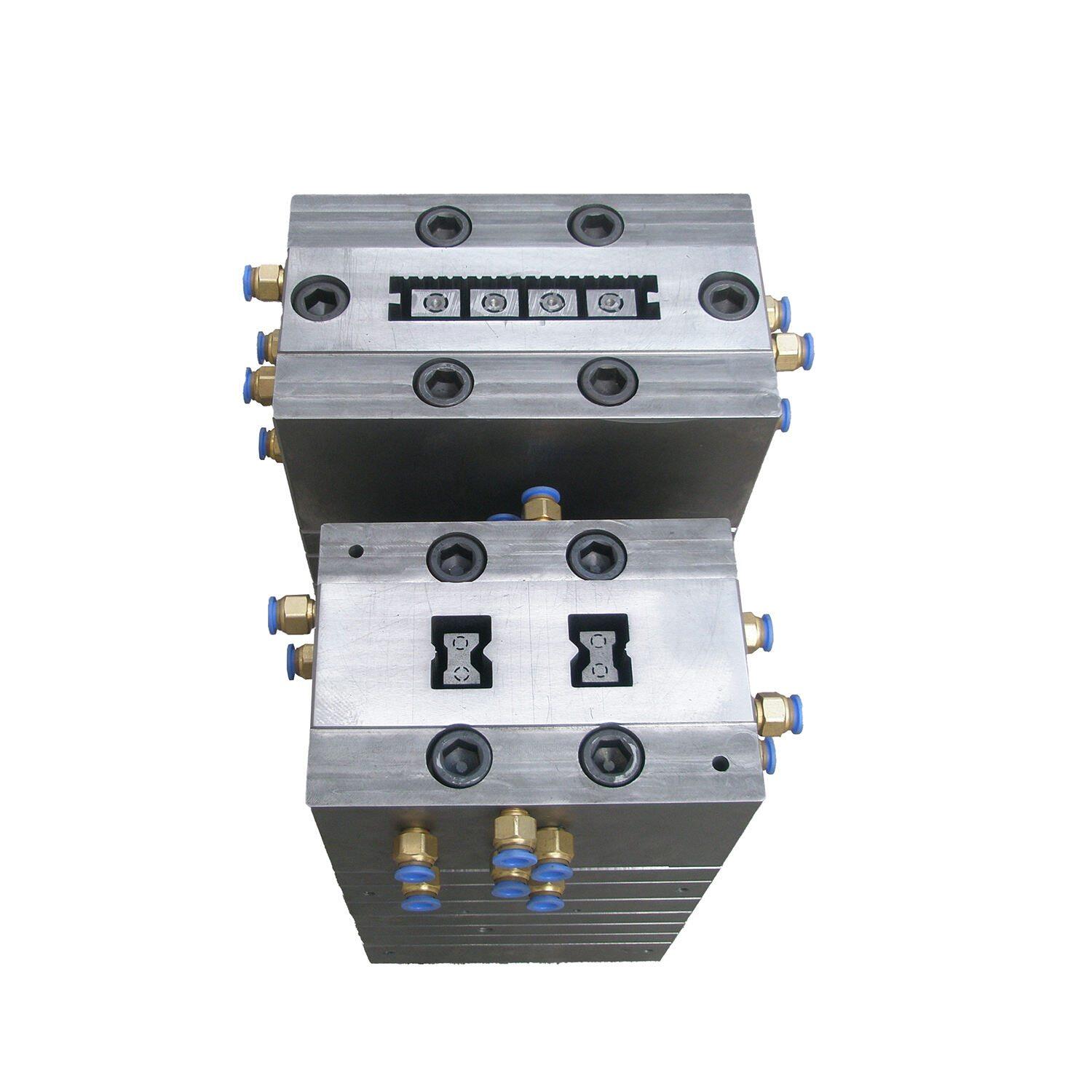
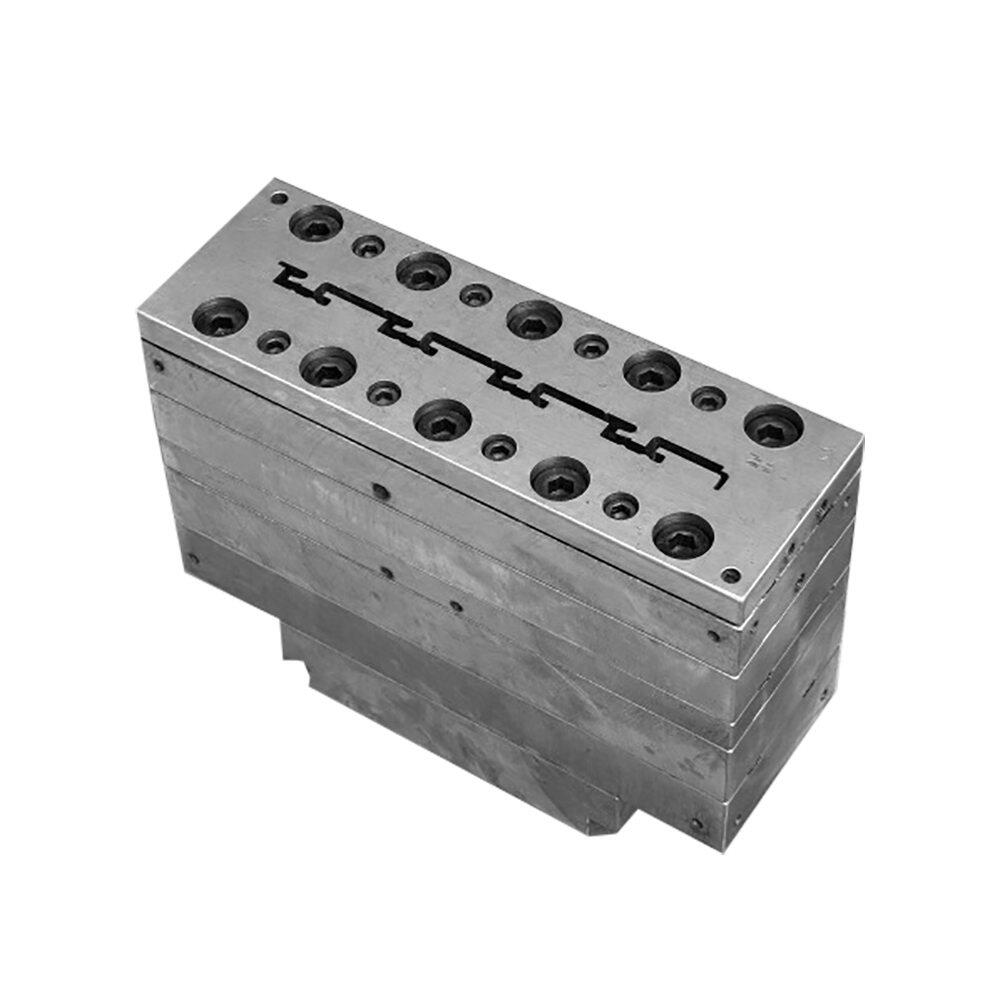
Bespoke WPC Extrusion Die | Custom Fence Rail Brand-Specific Section
$900 - $5000 per pcs
View DetailsReady to Start Your Project?
Contact us today for a competitive quote and professional consultation
Contact Us Now