
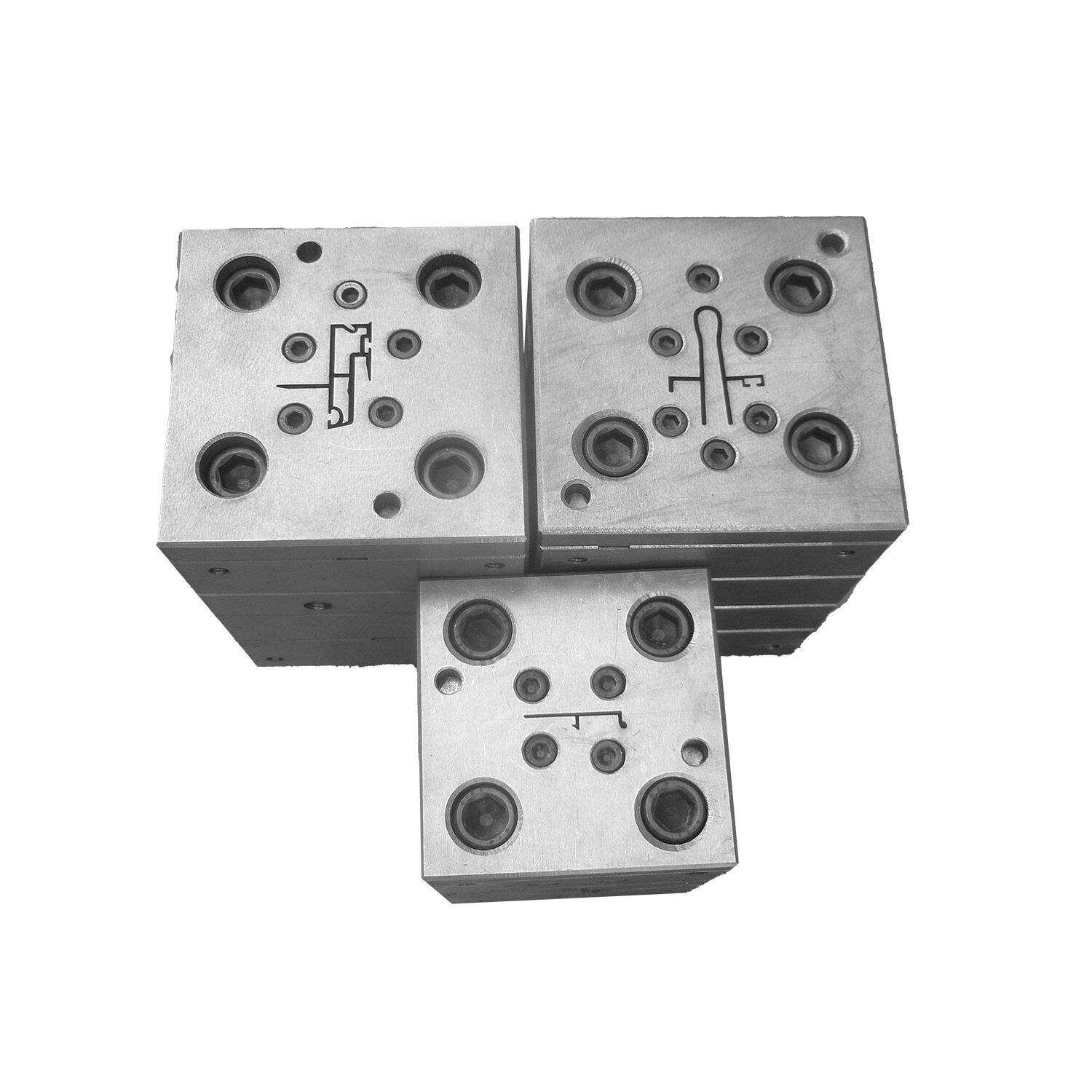
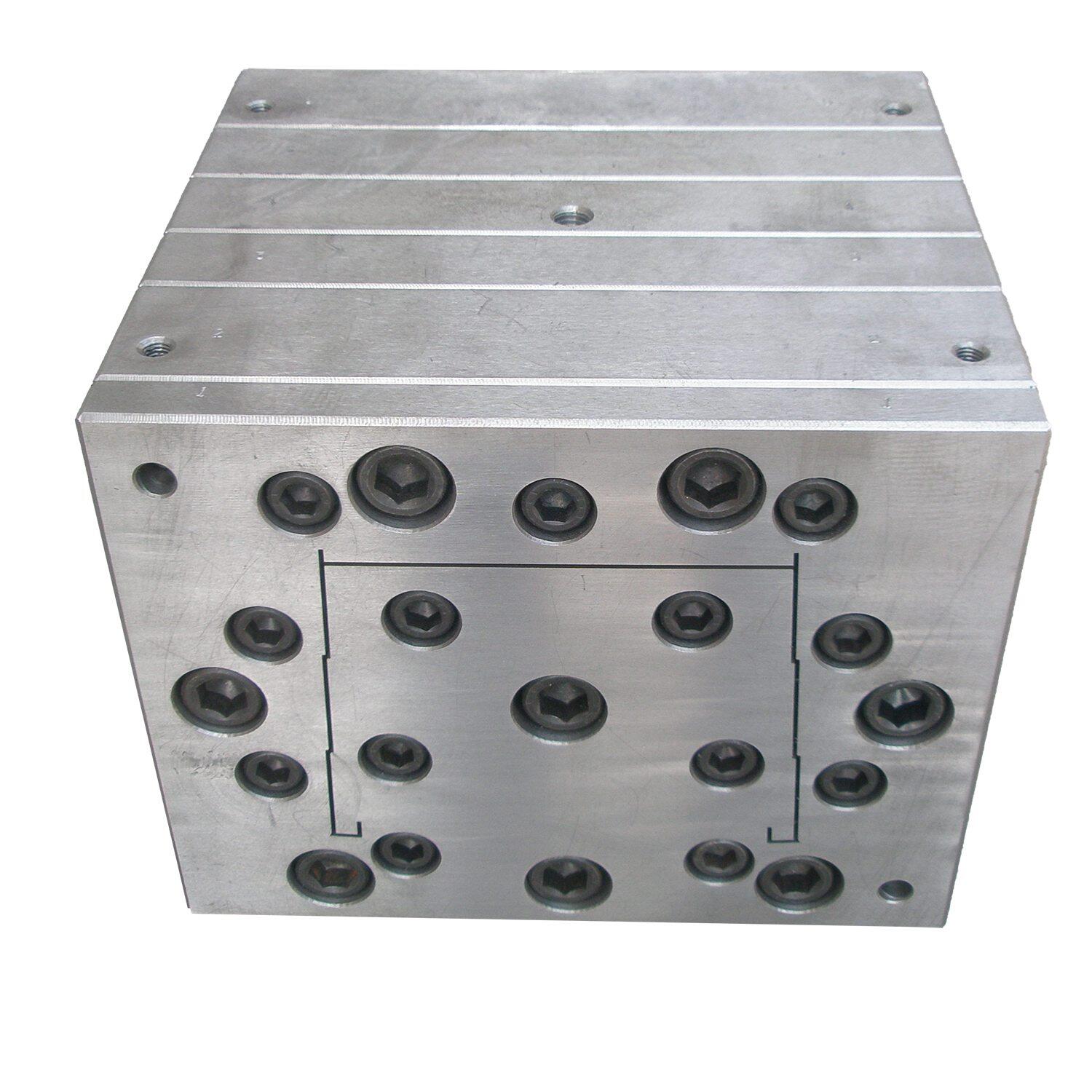
Precision-Machined PVC Die | Custom Fence Rail Exclusive Brand Profile
Material: Premium H13 tool steel with tungsten carbide coating; Spec: Custom-machined to your exact CAD profile; Surface: Mirror-polished flow channels with hard chrome plating; Feature: High-precision bespoke fabrication for complex multi-cavity designs; Scenario: custom fence rail; Benefit: Exclusive, brand-specific PVC/WPC profiles that lock in market differentiation and prevent direct copycats.
MOQ: 1 sqm
Key Features
- Waterproof & Moisture-proof
- Anti-corrosion & Anti-termite
- UV Resistant & Fade Resistant
- Low Maintenance & Easy Clean
- Eco-friendly & Recyclable
- Long Service Life
Product Details
Look, buying an off-the-shelf extrusion die is tempting. It’s cheaper. It’s faster. You could be running standard PVC fence rails by next Tuesday. But here’s what nobody tells you: within six months, three other manufacturers in your region will be selling the exact same profile. The catch? You end up competing purely on price. Sound like a fun place to be? Probably not.
That’s exactly why we push bespoke die fabrication. When you're targeting the custom fence rail market, contractors and architects aren't just looking for a basic plank. They want hidden fastener channels. They want specific snap-in geometries for glass balustrades. They want a distinct aesthetic curve that screams premium. You simply can't get that from a catalog die.
Why a Bespoke Die Changes the Game for Fence Rails
It’s not always easy to justify the upfront cost of custom tooling, we get it. A bespoke die might run you roughly 40-50% more than a stock one. But from what we’ve seen, brand owners who invest in a unique section completely bypass the race to the bottom. You're no longer selling a commodity; you're selling a proprietary system.
Frankly, the fencing market is saturated with lookalike products. A brand-specific section gives your buyers something they literally can't source from your competitor down the road. We've had clients tell us their custom PVC rail profile increased their project win rate by about 25%. It just looks and performs better. Plus, when you control the geometry, you control the internal ribbing. That means you can engineer the rail to be lighter without sacrificing structural integrity.
What Actually Goes Into These Dies
Let's be honest, not all custom dies are created equal. Here is what we focus on when we machine a die for your custom fence rail project:
Flow channel geometry: We use CFD (Computational Fluid Dynamics) to balance the melt pressure. This reduces dead spots in the die by roughly 30%, which means less material degradation and a much smoother surface finish on your final fence rails.
Tight tolerances: We hold machining tolerances to +/- 0.02mm. Why does this matter for a fence rail? Because if the wall thickness varies even slightly, the UV impact resistance drops, and the rail might warp after a few harsh summers.
Multi-cavity options: Need to run a top rail and a bottom rail simultaneously? We can design multi-cavity dies that boost your output without requiring a second extruder. It generally adds about 15% to the die cost, but the ROI is usually under six months.
Easy-purge design: PVC is notoriously unforgiving if it sits in a hot die too long. Our flow channels are designed with gentle sweep radii, making color changes and weekend purges significantly less painful for your line operators.
Pre-hardened H13 steel: We don't cut corners on metallurgy. The core components are machined from pre-hardened H13 tool steel, then coated. It’s built to handle the abrasive nature of PVC and WPC compounds over the long haul.
The End Product: What Your Fence Rails Will Achieve
You might be wondering if a custom die actually translates to a better final product. It does. But does it actually hold up in real life?
When extruded correctly through our tooling, your custom fence rails will consistently hit UV Grade 4-5 and B1 fire ratings. The precise wall thickness control means you can optimize the internal ribbing. You get maximum structural rigidity while actually using about 10-15% less PVC compound per meter. That’s a massive margin booster right there.
Most of the time, these profiles easily carry a 25-year warranty. We've exported the extruders running these custom dies to over 50 countries, and the feedback is usually the same: the profiles look sharper, the colors are more consistent, and the contractors love the hidden clip systems you can integrate into the design.
Setup Tips for Your Extrusion Line
Getting a bespoke die to run perfectly takes a little finesse. Here’s what we usually recommend to our clients during the initial setup:
First, don't rush the heat-up. We highly recommend letting the die soak at operating temperature for at least 45 minutes before you even think about pulling the melt. Rush this, and you risk cracking the internal flow channels or damaging the chrome plating.
Second, pay attention to the melt pressure. A properly balanced custom die for a fence rail should run at a stable pressure, usually between 150 and 250 bar depending on the profile complexity. If you're seeing wild fluctuations, the die isn't the problem—it's likely your screw design or material drying.
Finally, keep the die face clean. A quick wipe with a brass scraper after every shift prevents carbon buildup. It’s a small thing, but it adds years to the tool's life.
Quick Questions We Get Asked
How long does it take to get a custom fence rail die?
Generally, it takes about 35 to 45 days from the moment we approve your final 3D CAD file. It depends on the complexity. A simple hollow rail might take 30 days, while a multi-cavity design with complex snap-lock features pushes it closer to 45.
What if we want to tweak the profile later?
That’s the beauty of working with us. We keep the original CAD files and machining data on record. If you need to add a small drainage channel or adjust a wall thickness, we can usually modify the existing die. It’s much cheaper than starting from scratch.
How long will the die last?
With proper maintenance and regular purging, you should expect to extrude at least 500,000 to 800,000 meters of PVC fence rail before needing a major re-polish or rebuild. There's no one-size-fits-all answer, but H13 steel with our chrome treatment is as durable as it gets.
Thinking about launching a new fencing line? Don't just copy what's already on the market. Build something your competitors can't.
Frequently Asked Questions
Related Products
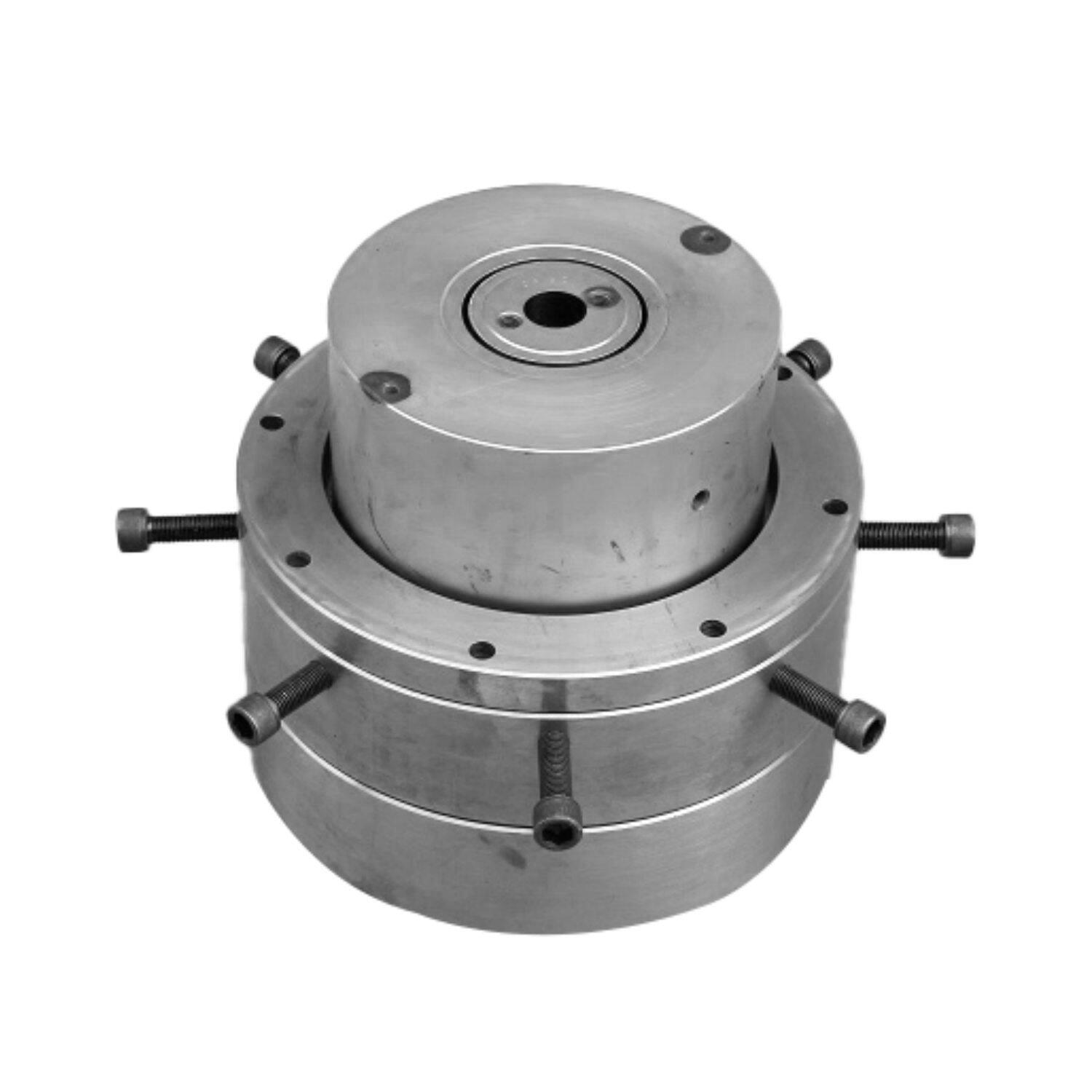
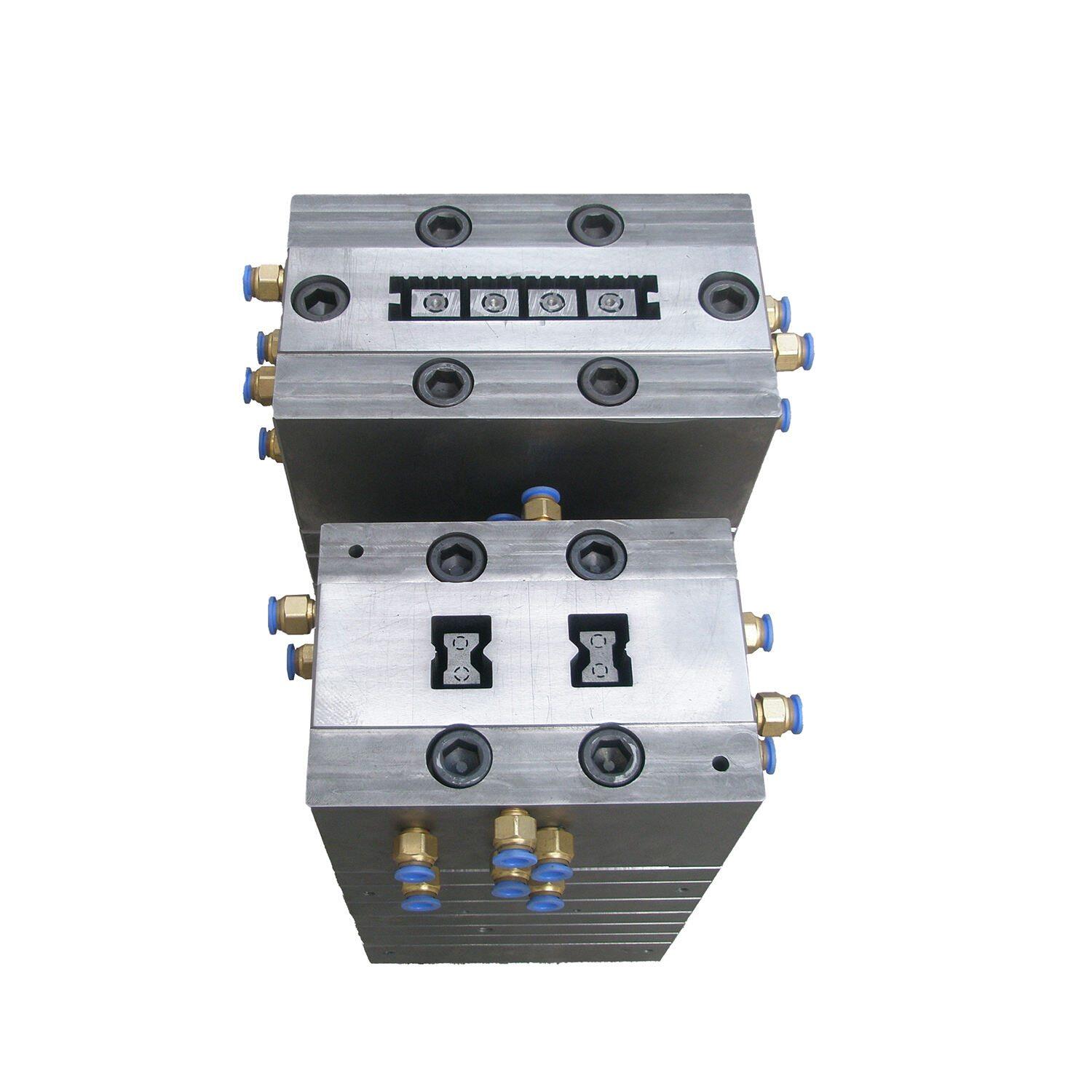
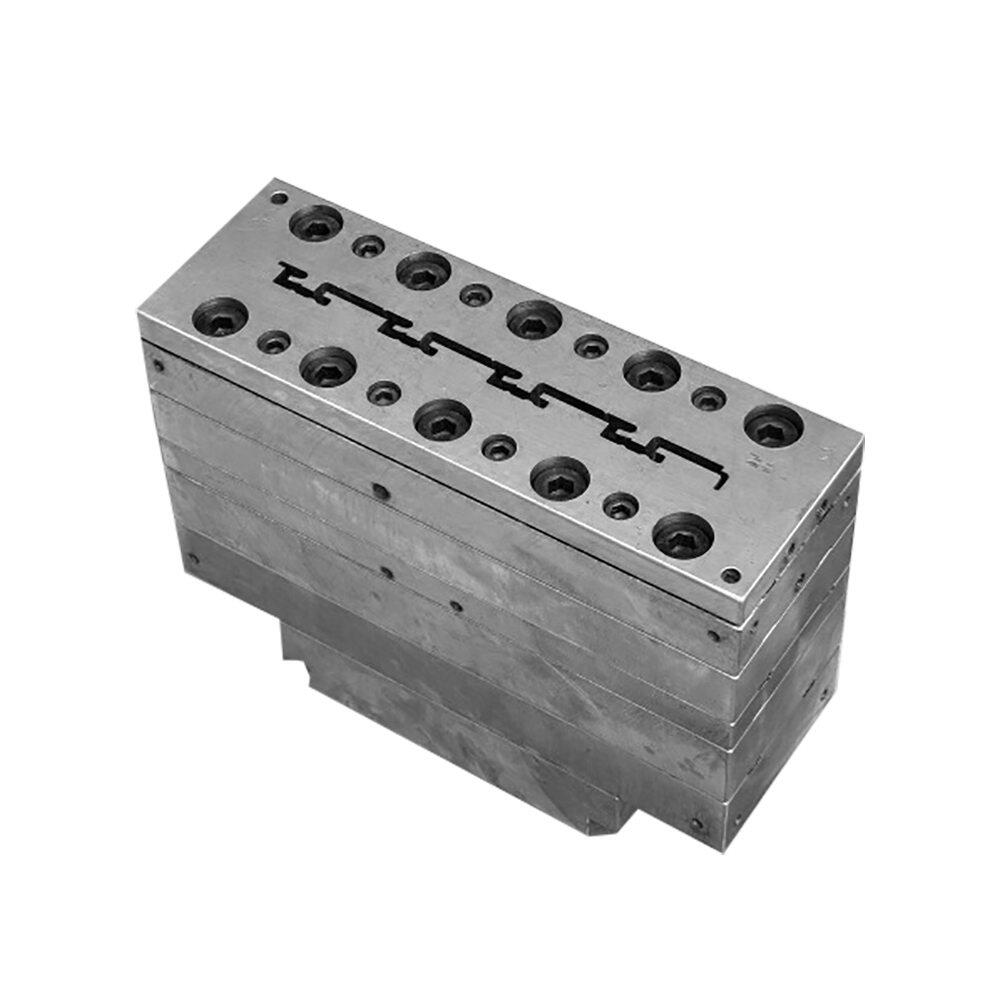
Bespoke WPC Extrusion Die | Custom Fence Rail Brand-Specific Section
$900 - $5000 per pcs
View DetailsReady to Start Your Project?
Contact us today for a competitive quote and professional consultation
Contact Us Now