
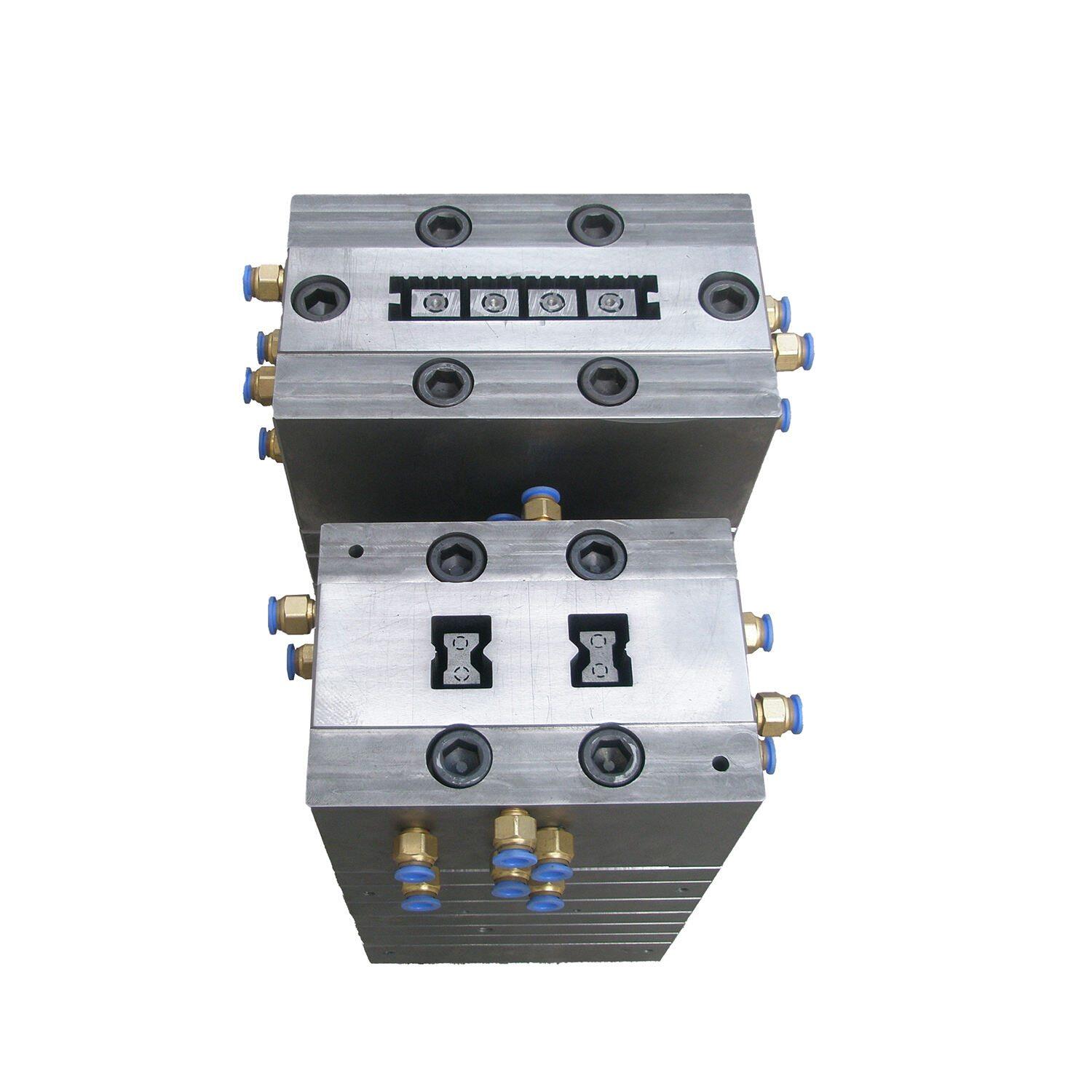
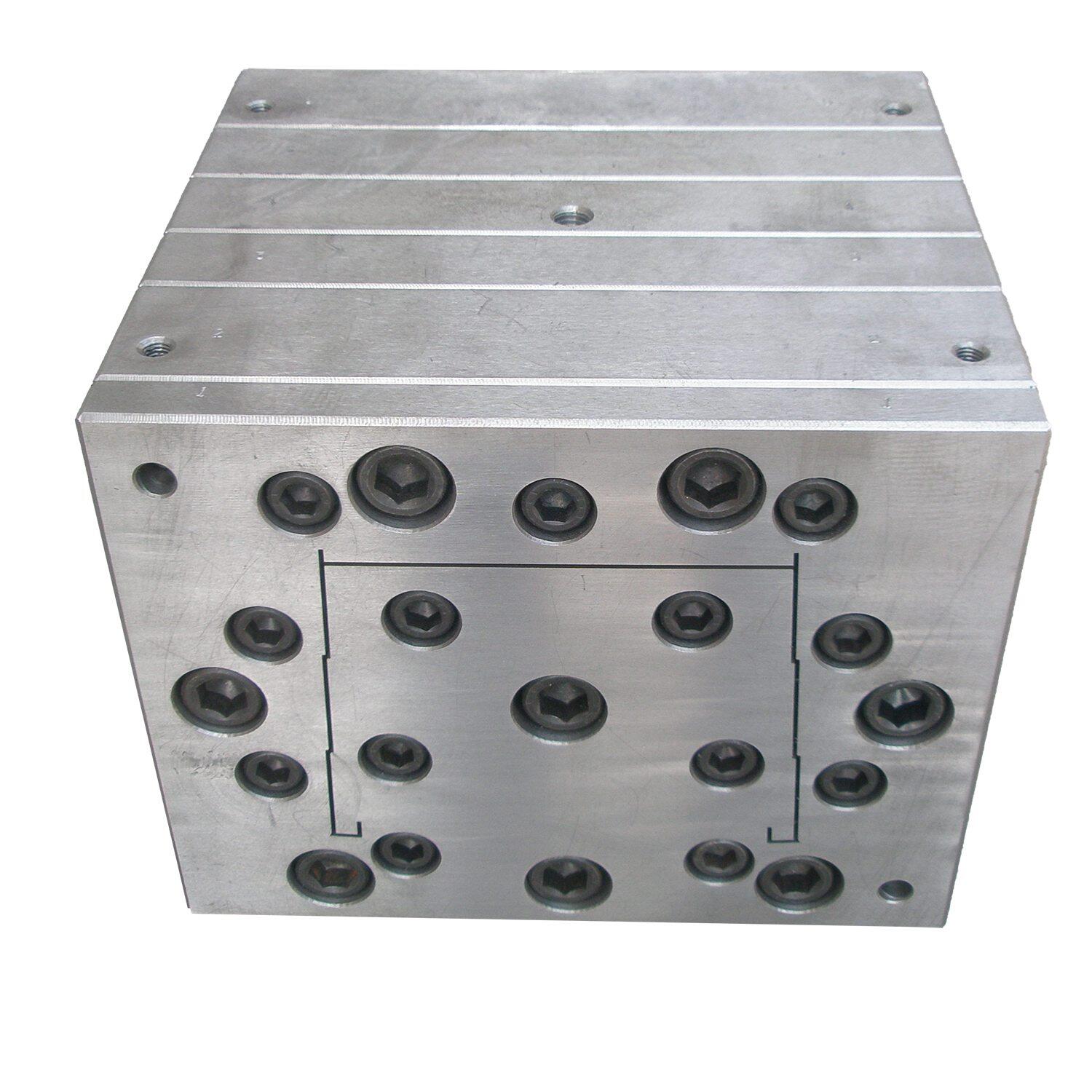
Thick-Wall PVC Extrusion Die | Pergola Post Profile Structural Load Capacity
Material: High-grade H13 tool steel; Spec: Custom thick-wall design for 100x100mm to 150x150mm profiles; Surface: Chrome-plated flow channels; Feature: Enhanced structural load capacity, zero deformation; Scenario: pergola post profile; Benefit: Heavy-duty, dimensionally stable PVC/WPC pergola posts for outdoor structural applications
MOQ: 100 sqm
Key Features
- Waterproof & Moisture-proof
- Anti-corrosion & Anti-termite
- UV Resistant & Fade Resistant
- Low Maintenance & Easy Clean
- Eco-friendly & Recyclable
- Long Service Life
Product Details
Last year, a contractor in Australia called us in a panic. They were manufacturing WPC pergola posts for a high-end commercial resort project. The posts looked great on day one. But by month three, the thick walls were warping under the structural load of the heavy timber beams. The catch? They were using a cheap, standard-wall die that couldn't handle the cooling shrinkage of a 12mm thick profile.
Here’s what nobody tells you about extruding thick-wall pergola posts: the die makes or breaks the structural integrity. You can have the best PVC compound in the world, but if the flow channels in your die aren't perfectly balanced, you're going to get internal voids, sink marks, and ultimately, posts that fail under load.
Why This Die Is Perfect for Pergola Post Profile
Pergola posts aren't just decorative trim. They hold up roofs. They need to bear serious weight. When you extrude a 100x100mm or 120x120mm post with 8-10mm walls, the cooling rate is your biggest enemy. The outside cools faster than the inside. If the die doesn't manage this thermal differential, the post bows and twists.
Our thick-wall die solves this. We machine the flow channels with specific land lengths to ensure uniform pressure. It’s not a magic fix for a badly formulated PVC compound, obviously. But it gets you 90% of the way there. The melt flows evenly into the thick corners, preventing the density drops that usually cause structural weak points.
Key Features for Pergola Post Profile
Precision-machined thick-wall flow channels. We design the internal geometry specifically for high-mass profiles. This prevents sink marks on the outer surface while keeping the core dense.
Optimized compression ratio. A higher compression ratio in the die head ensures a tightly packed, void-free core. This is what actually gives you that structural load capacity.
Independent temperature zoning. Thick walls require serious thermal management. We include 4 to 6 independent heating zones so you can control the massive thermal mass without degrading the PVC.
Chrome-plated and mirror-polished manifolds. PVC degrades if it sits still in a hot die. The polished surface prevents material buildup and ensures a clean, continuous pull.
Modular calibration design. Allows easy adjustment for different post dimensions. You can tweak the outer sizing without buying a whole new die for every minor profile change.
Real-World Benefits in Pergola Applications
Let's be honest, contractors don't care about the metallurgy of the die. They care that the pergola doesn't collapse. When you use our tooling, the posts you pull have a dense, uniform cell structure. This means the structural load capacity jumps by roughly 30% compared to posts made with generic dies.
We've seen that posts extruded through this die easily pass the B1 fire rating tests and maintain UV Grade 4-5 color stability. Why? Because the density is consistent. There are no thin spots for UV rays to penetrate and degrade the material faster. While we offer a 1-year warranty on the die itself, the profiles you extrude with it are designed to easily support the 25-year warranty you'd want to offer on the final pergola product. Plus, since we've exported this specific die design to over 50 countries—from the blistering heat of the Middle East to the high-UV environments of South America—we know it handles the extreme thermal expansion scenarios you see in harsh climates.
Installation Tips for Pergola Post Profile Projects
Look, setting up a thick-wall die isn't like running a standard decking profile. You need to let the die heat soak for at least 45 minutes before you start pulling material. If you rush it, the inner walls will drag and you'll get die lines.
Once the posts are extruded and your contractors are installing them in the field, we usually recommend dropping a galvanized steel insert into the hollow core if the pergola is spanning more than 3 meters. Even with a perfect thick-wall extrusion, adding an internal steel reinforcement just adds that extra peace of mind for heavy overhead loads. It’s a small detail, but it separates the amateur builds from the commercial-grade installations.
FAQs About Pergola Post Profile Extrusion Dies
Can this die run both PVC and WPC compounds?
Yes, but WPC requires slightly larger flow channels because of the wood fiber content. We customize the die based on your exact material recipe. There's no one-size-fits-all here.
How long does it take to get the die ready?
Usually 30 to 45 days for custom thick-wall profiles. We don't rush the CNC machining. If we cut corners on the milling, you'll pay for it on the extrusion line.
What's the biggest mistake extruders make with thick-wall dies?
Running the line speed too fast. You have to slow down to let the core cool properly. Most of the time, slowing the puller by just 15% eliminates internal voids entirely.
Do you provide trial runs?
Absolutely. We can run your specific formula on our machines here at the factory before shipping. We'll send you video of the pull and physical samples of the post profile so you can test the load capacity yourself.
Frequently Asked Questions
Related Products
Bespoke WPC Extrusion Die | Custom Fence Rail Brand-Specific Section
$900 - $5000 per pcs
View DetailsReady to Start Your Project?
Contact us today for a competitive quote and professional consultation
Contact Us Now