
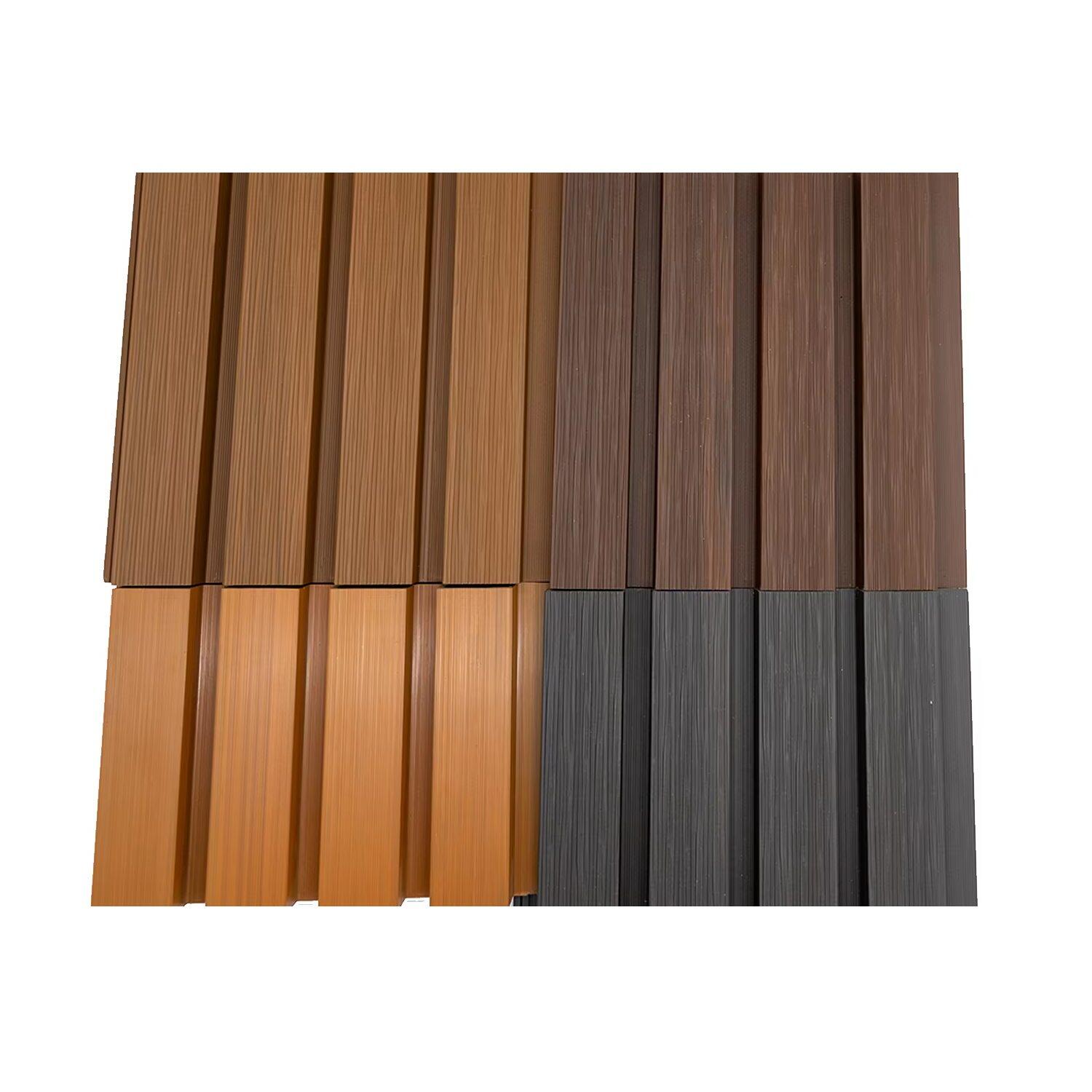
Weatherproof Composite Cladding | Garden Fence Wall Privacy Shield
Material: High-density rigid PVC composite; Spec: 200×15mm (customizable length); Surface: 3D embossed wood grain; Feature: 100% waterproof, UV-stabilized, wind-resistant; Scenario: garden fence wall; Benefit: Zero-maintenance outdoor privacy screen that blocks sightlines without trapping wind.
MOQ: 100 sqm
Key Features
- Waterproof & Moisture-proof
- Anti-corrosion & Anti-termite
- UV Resistant & Fade Resistant
- Low Maintenance & Easy Clean
- Eco-friendly & Recyclable
- Long Service Life
Product Details
Most people think a garden fence is just about keeping the dog in. But if you're dealing with overlooking neighbors or a noisy street, you need a serious visual barrier. Here's what nobody tells you about traditional wood or metal fences for a garden fence wall: they just don't hold up. Wood rots at the base. Metal rattles in the wind.
That said, you still need the aesthetic.
We've seen a massive shift lately. About 70% of our contractors are now swapping out traditional timber for PVC wall cladding when building a garden fence wall. Why? Because it actually solves the core problems of outdoor privacy screens without looking like a cheap plastic sheet.
Why This Cladding Works for Garden Fence Walls
Look, building a privacy screen in a garden comes with specific headaches. You're dealing with soil moisture at the bottom, relentless sun at the top, and high wind loads in the middle.
Our rigid PVC composite panels are engineered exactly for this. They don't absorb ground moisture, so you won't get that ugly black rot creeping up the bottom after two winters. Plus, the hollow-core structure keeps the weight down. This is crucial. A lighter fence means you don't need to pour massive concrete footings every three feet.
But does it actually hold up in real life?
In our experience, yes. We've installed these in coastal areas where salt spray destroys metal, and in harsh desert climates where wood splinters in a year. The PVC formulation includes co-extruded UV inhibitors, pushing it to a UV Grade 4-5 rating. It doesn't just resist fading; it practically ignores it.
Key Features for Your Privacy Screen
Hidden Fastener System: No visible screws on the face. We use a tongue-and-groove setup with concealed clips. It gives the garden fence wall a seamless, continuous look.
B1 Fire Rating: This isn't your standard flammable plastic. It's self-extinguishing. If a neighbor's barbecue gets a little out of hand, the panels won't act like a fuse.
Wind-Permeable Options: While most clients want a solid visual barrier, we can integrate subtle micro-gaps. This stops the fence from acting like a giant sail during a storm.
3D Embossed Texture: It feels like wood. We use a deep embossing process that mimics natural timber grain, so it doesn't look or feel like a smooth plastic toy.
25-Year Structural Warranty: We back it for a quarter-century. Realistically, in most temperate climates, you're looking at 20-25 years of solid performance before it even thinks about degrading.
Installation: What Contractors Need to Know
Here's a tip from the field: don't just slap these panels directly onto dirt or untreated pine.
For a garden fence wall, you need a galvanized steel or aluminum subframe. Why? Because the ground shifts. If your subframe warps, your beautiful PVC panels will buckle. We usually recommend a 40×40mm aluminum square tube. Space the vertical joists about 400mm apart.
Also, leave a 10mm gap at the bottom. I know, it feels wrong to leave a gap at the base of a privacy screen. But plants grow, soil settles, and you need drainage. That tiny gap, hidden by a gravel border or low planting, prevents water from pooling against the panel edges.
As for the time it takes? Roughly 2-3 days for a standard 200 sq ft garden fence wall, assuming the subframe is already squared up.
The Catch: Where It Falls Short
Let's be honest, it's not perfect.
The initial cost is roughly 15-20% more expensive upfront compared to basic pressure-treated pine. If your client has a rock-bottom budget, this might be a tough sell. You have to explain the lifecycle cost. Wood needs staining every two years. This PVC cladding just needs a hose-down.
There's also the thermal expansion factor. PVC expands and contracts with temperature changes. If you install it tightly butt-jointed in the middle of winter, it will buckle in July. Always follow the 3-5mm expansion gap rule at the ends of the runs.
FAQs About Garden Fence Wall Cladding
Can I cut these panels on-site?
Absolutely. You can use a standard carbide-tipped blade on a miter saw. Just make sure the teeth are fine (80-tooth or higher) to avoid chipping the embossed surface.
Will it get too hot to touch in the summer?
Darker colors do absorb heat. If the garden fence wall is in direct, scorching sun all day, we usually recommend our lighter oak or teak finishes. They run about 10-15°F cooler than the dark walnut options.
How do I clean it if it gets moldy?
It doesn't get moldy in the traditional sense because PVC doesn't feed organic growth. But if dirt and pollen build up, a quick wipe with soapy water or a gentle pressure wash (under 1500 PSI) brings it right back.
Do you ship internationally?
Yes, we export to over 50 countries. Whether you're supplying a project in Southeast Asia or Europe, our packaging is designed for ocean freight to prevent edge damage during transit.
Frequently Asked Questions
Related Products
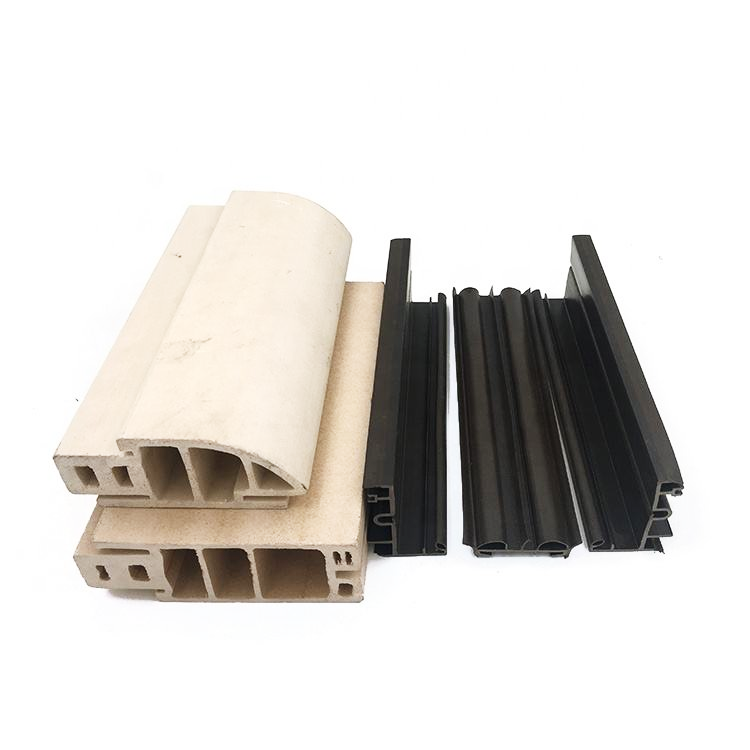
Reinforced Security PVC Door | Front Entry Curb Appeal and Protection
$2.97 - $18.88 per sqm
View Details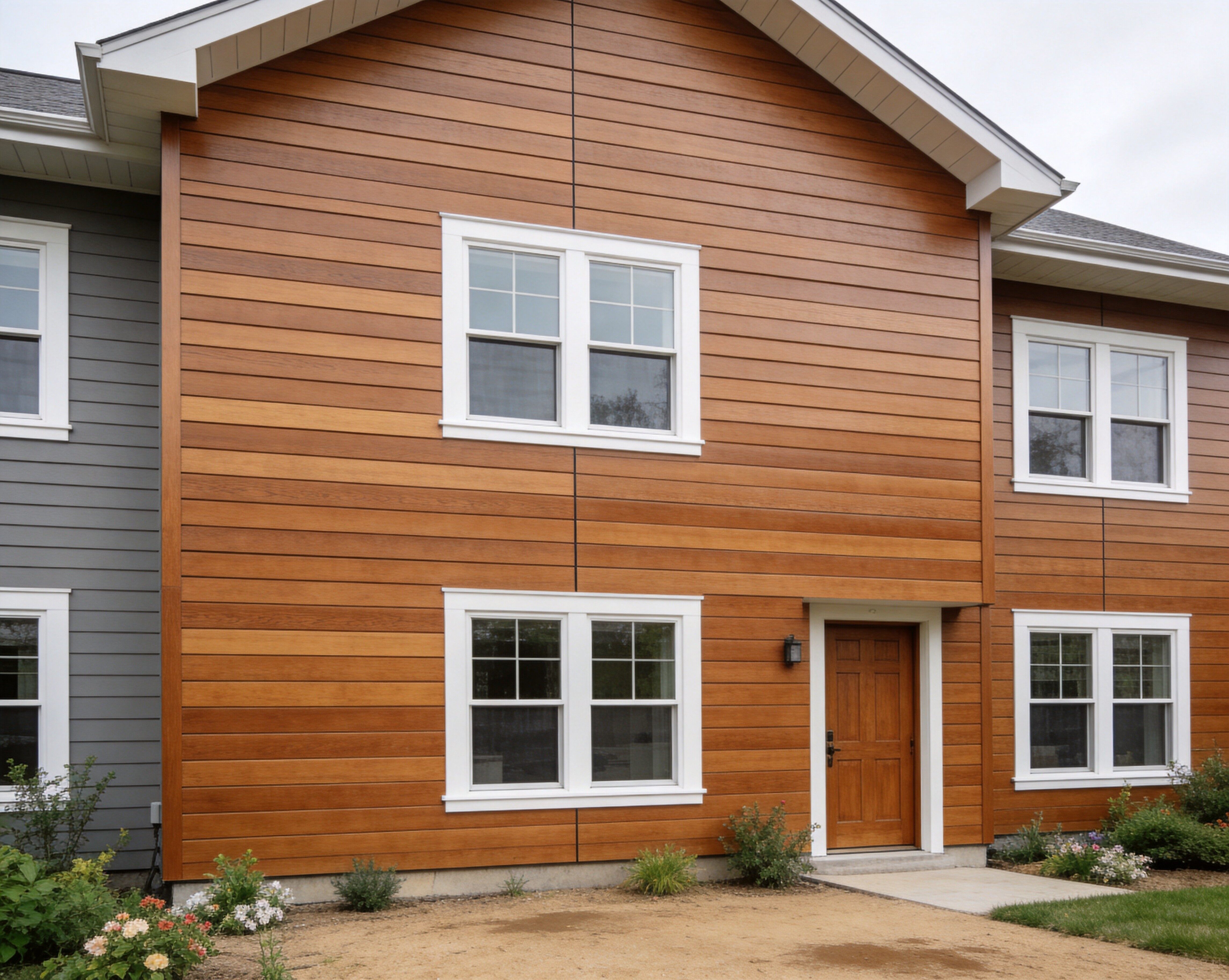
Commercial Grade PVC Wall Cladding | Restaurant Interior Design Solution
$3.78 - $19.9 per sqm
View Details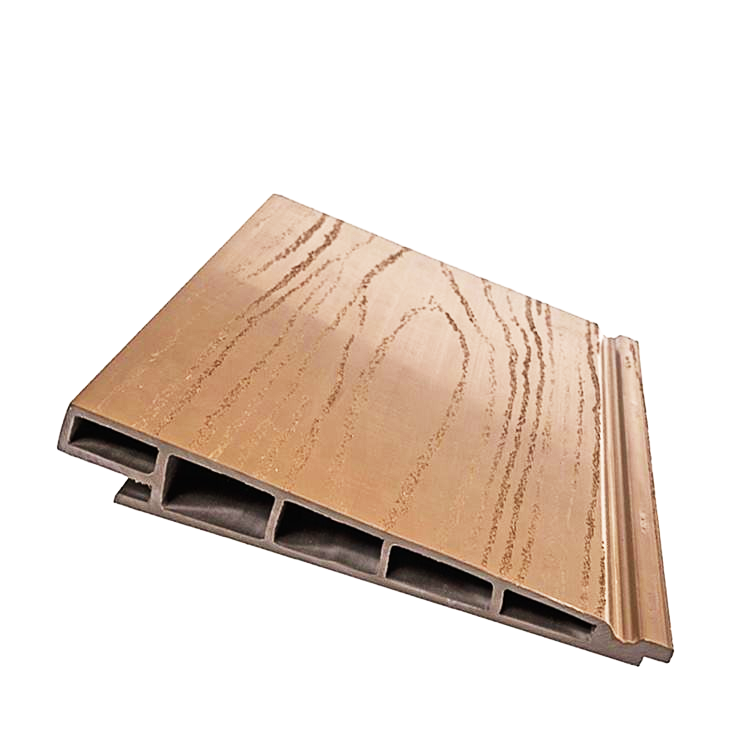
Ready to Start Your Project?
Contact us today for a competitive quote and professional consultation
Contact Us Now