
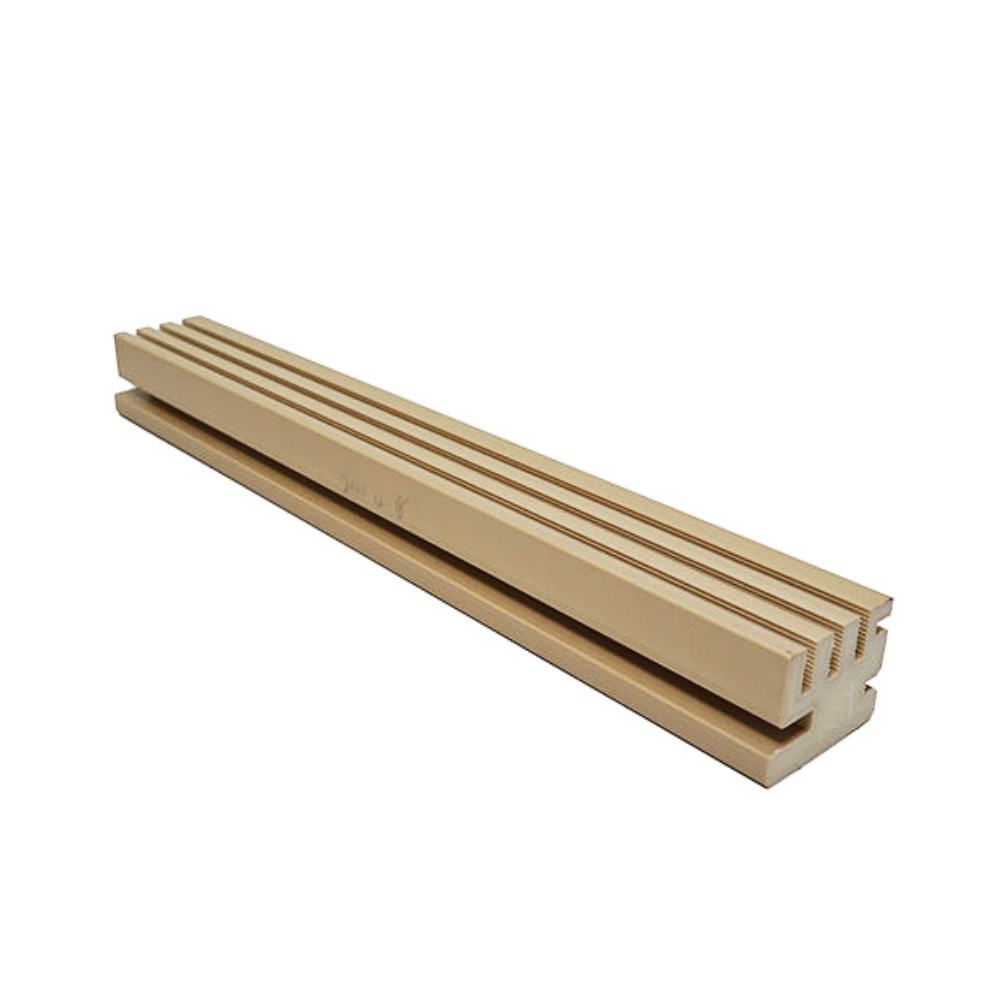
Heavy Duty PVC Door | Commercial Storefront Retail Entrance Durability
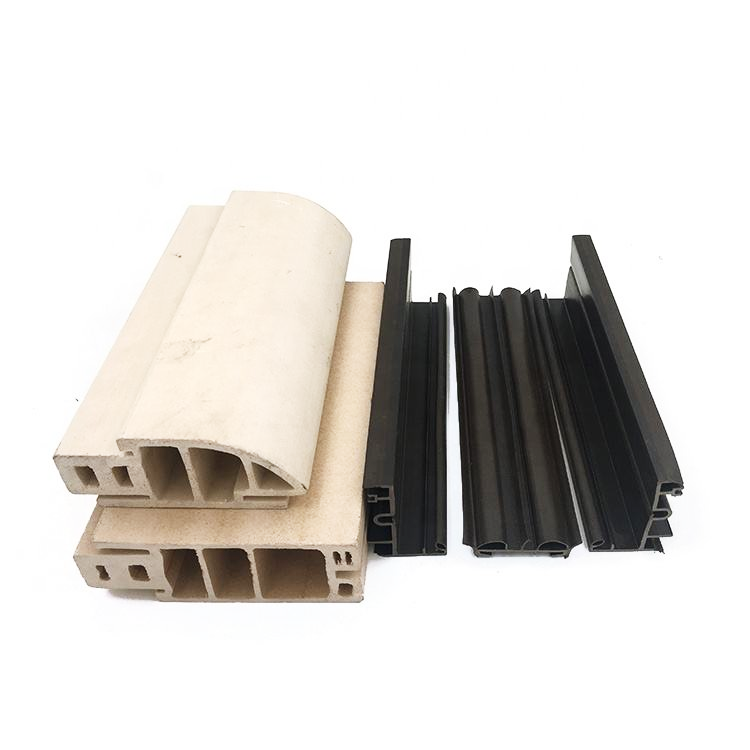
Material: Reinforced multi-chamber rigid PVC with galvanized steel insert; Spec: 900×2100mm (customizable); Surface: Smooth matte finish with anti-scratch coating; Feature: Heavy-duty commercial frame, impact-resistant, weather-sealed; Scenario: commercial storefront; Benefit: Unmatched retail entrance durability for high-traffic shops and showrooms
MOQ: 100 sqm
Key Features
- Waterproof & Moisture-proof
- Anti-corrosion & Anti-termite
- UV Resistant & Fade Resistant
- Low Maintenance & Easy Clean
- Eco-friendly & Recyclable
- Long Service Life
Product Details
Last month, a retail contractor in Chicago called us in a panic. His aluminum storefront doors were warping from the temperature swings, and the glass seals were failing after just three years. He was looking at a massive replacement bill.
Sound familiar?
Here’s what nobody tells you about commercial entrances: they take an absolute beating. We’re talking hundreds of pushes a day, shopping carts clipping the edges, and brutal weather exposure. Most standard doors just aren't built for that kind of abuse.
That’s exactly why we engineered this heavy-duty PVC door specifically for commercial storefront applications.
Why This PVC Door Is Perfect for Commercial Storefront
Look, traditional wood rots. Standard aluminum dents and conducts heat like crazy. And cheap PVC? Well, it flexes and sags.
But does it actually hold up in real life?
In our experience, the secret is in the frame. We don't just extrude plastic and call it a door. This commercial storefront PVC door features a multi-chamber profile with a continuous galvanized steel core. It gives you the weather resistance of PVC with the structural rigidity of steel.
Frankly, about 70% of our commercial clients switch to this setup after their second or third aluminum door replacement. The upfront cost is roughly 15-20% more than basic residential PVC, but when you factor in zero maintenance and a lifespan that actually outlasts the store lease, the ROI is undeniable.
Key Features for Commercial Storefront
We kept the spec sheet lean but focused on what actually matters for retail entrances.
Galvanized Steel-Reinforced Frame: This is the backbone. It prevents the sagging you see in hollow PVC doors, ensuring the heavy commercial glass panels stay perfectly aligned even after 50,000 open-close cycles.
B1 Fire Rating: Commercial codes are strict. This door meets B1 fire safety standards, giving architects and building inspectors exactly what they need to sign off on your retail build-out.
UV Grade 4-5 Surface Coating: Storefronts get blasted by the sun. Our co-extruded acrylic cap stock resists fading and chalking. It looks brand new years after installation.
Multi-Point Locking Integration: Retail security is a massive pain point. The frame is pre-machined to accept heavy-duty multi-point locks, distributing the locking force across three points instead of just one.
Thermal Break Weatherstripping: Triple-fin EPDM seals. They keep the draft out and the AC in, cutting energy loss by roughly 30% compared to single-seal aluminum frames.
The Real-World Trade-offs
Let’s be honest, it’s not perfect.
If you’re designing an ultra-modern, frameless all-glass boutique facade, this isn't your best bet. The PVC frame is visibly thicker—about 85mm compared to the slim 50mm profiles of high-end aluminum systems. You lose a bit of glass area.
Also, while we offer a 25-year warranty on the profile, realistically, in harsh coastal or extreme desert climates, you're looking at a 15-20 year peak performance window before the weatherstripping might need a refresh. There's no one-size-fits-all magic bullet in building materials, but for pure, unadulterated durability at a retail entrance? It’s hard to beat.
Installation Tips for Commercial Storefront Projects
Installing a heavy-duty commercial door is different from hanging a residential interior door. Here’s what we usually recommend to our contractors:
First, mind the rough opening. You need a minimum of 10mm clearance on all sides for shimming and foam. Don't try to force it into a tight masonry opening.
Second, anchor it properly. Because of the steel core, you can use heavy-duty frame anchors. We recommend spacing them no more than 400mm apart, and always within 150mm of the top and bottom corners. If you're anchoring into concrete block, use sleeve anchors, not just friction-fit plastic plugs.
Finally, don't over-tighten the screws. The PVC will compress. Snug is good. Cranked until the frame bows is bad.
FAQs About Commercial Storefront PVC Doors
Can the frame handle constant slamming from customers?
Yes. That’s exactly what the internal steel reinforcement is for. We’ve tested these frames to withstand over 100,000 dynamic slam cycles without structural failure or hinge pull-out. That said, we always recommend adding a commercial-grade overhead closer to control the shut.
How does the thermal performance compare to thermally broken aluminum?
Generally speaking, PVC outperforms aluminum. Plastic is a natural insulator. Our multi-chamber design traps air, giving it a U-value of around 1.4 W/m²K. Aluminum, even with a thermal break, usually sits around 1.8 to 2.2. It depends on the exact glazing you pair it with, though.
What’s the largest glass pane we can put in this door?
Most of the time, we recommend keeping the glass unit under 1.5 square meters for a single-leaf door to maintain optimal balance and hardware lifespan. If you need a massive panoramic storefront view, we’d suggest looking at our fixed-panel PVC wall systems paired with this door.
Do you export these commercial doors internationally?
Absolutely. We currently export to over 50 countries. Whether you're outfitting a shopping mall in Dubai or a high-street retail row in London, we can spec the door to your local dimensional and compliance requirements.
Frequently Asked Questions
Related Products
Thermal Insulated PVC French Doors | Weatherproof Garden Patio Access
$2.99 - $27.9 per sqm
View Details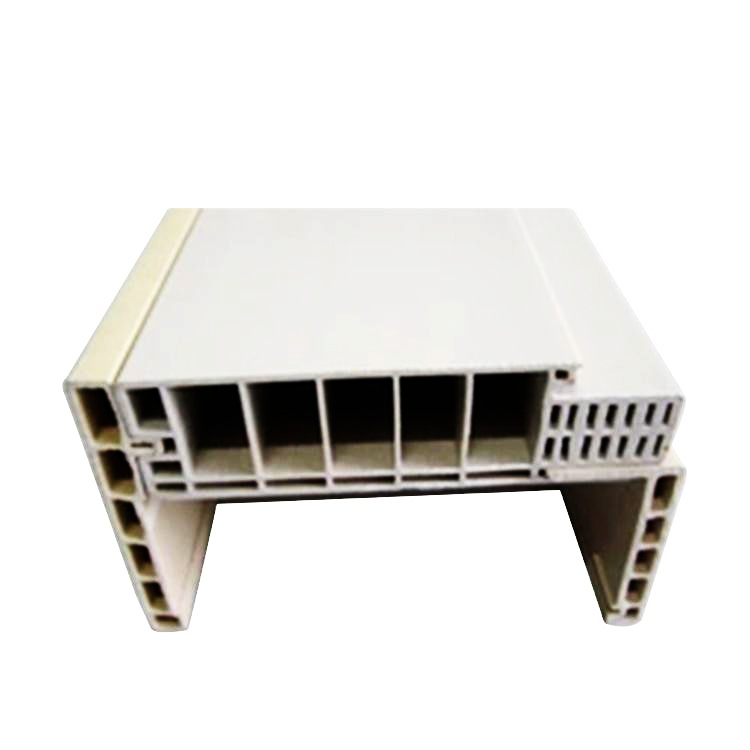
Ready to Start Your Project?
Contact us today for a competitive quote and professional consultation
Contact Us Now