
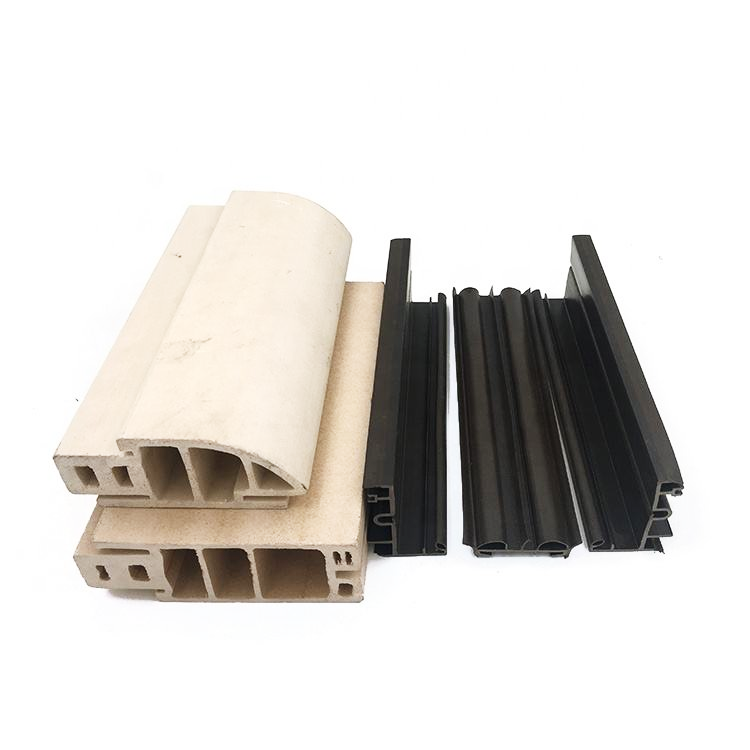
Heavy Duty Frame WPC Door | Commercial Storefront Retail Entrance
Material: Premium WPC composite with aluminum core reinforcement; Spec: 2100×900×45mm; Surface: Scratch-resistant PVC film wrap; Feature: Heavy-duty commercial frame, moisture-proof, impact-resistant; Scenario: commercial storefront; Benefit: Unmatched retail entrance durability with zero wood-rot concerns
MOQ: 100 sqm
Key Features
- Waterproof & Moisture-proof
- Anti-corrosion & Anti-termite
- UV Resistant & Fade Resistant
- Low Maintenance & Easy Clean
- Eco-friendly & Recyclable
- Long Service Life
Product Details
Look, most architects and contractors default to solid wood or bare aluminum when specifying retail storefronts. But here’s what nobody tells you about wood in high-traffic commercial entries: it beats up. Fast. Within six months, the kick plate area is scuffed, the bottom rail swells from mopping, and the frame starts racking from constant slamming. We started developing our heavy-duty WPC doors specifically to solve this headache.
Why This WPC Door Is Perfect for Commercial Storefront
Retail entrances take a beating. You’ve got carts bumping them, customers pulling them aggressively, and weather blowing right into the vestibule. Standard hollow-core or even solid wood doors just don't have the structural integrity to handle 500+ cycles a day without showing wear.
Our WPC door changes the math. By wrapping a dense wood-plastic composite core around a reinforced heavy-duty commercial frame, we’ve created an entrance system that actually laughs at daily abuse. It doesn't splinter. It doesn't swell when the entryway gets wet. And frankly, it stays square in the frame, which means your locks actually align after a year of use.
Key Features for Commercial Storefront
Reinforced Heavy-Duty Frame: This isn't your standard residential jamb. We use a multi-chambered aluminum-reinforced WPC frame. It anchors securely into concrete or steel studs, preventing the frame from racking when the door gets slammed.
High-Density Impact Core: The core is roughly 30% denser than standard MDF. When a shopping cart clips the bottom corner, it bounces off. No dents, no cracked veneers.
Commercial-Grade Hardware Prep: We pre-route for heavy-duty commercial hinges and closers. Most of the time, installers just need to drop in a standard 4.5-inch ball bearing hinge. No splitting the material when screwing in heavy hardware.
100% Moisture Immunity: Retail floors get mopped. Entryways get rain. Because it’s WPC, water absorption is practically zero. The bottom rail won't turn into a sponge.
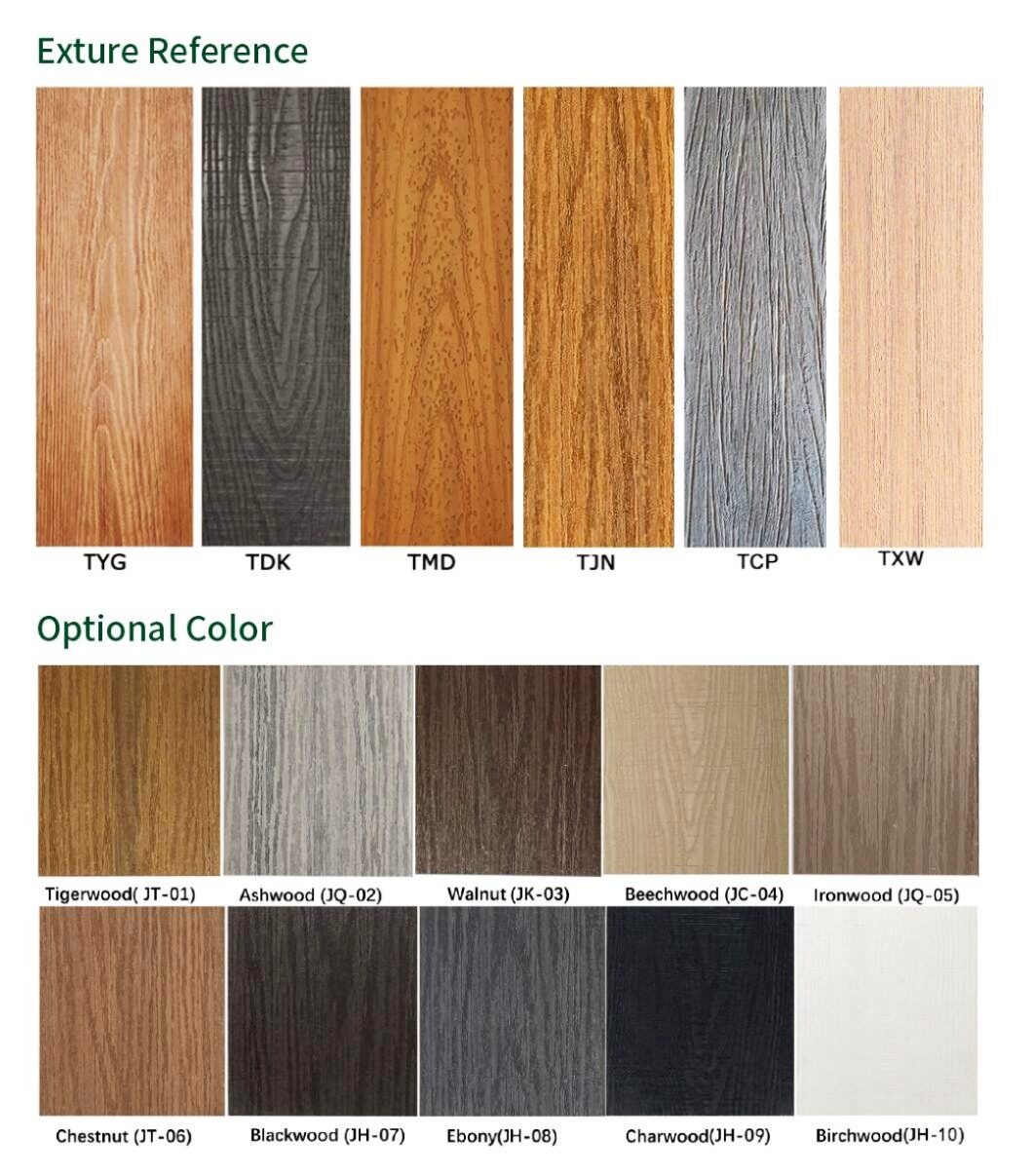
Premium PVC Film Wrap: We use a 0.3mm thick scratch-resistant PVC film. It mimics real wood grain perfectly but handles keys, rings, and bags scraping against it without tearing.
The Reality Check
Let's be honest, it’s not perfect for every single application. First, it’s heavy. At roughly 85 lbs for a standard 3x7 size, you need a solid crew to hang it. Second, the upfront material cost is about 15-20% higher than a standard commercial MDF door. But from what we've seen in long-term projects, the maintenance savings and replacement costs make up for it within 18 months. There's no one-size-fits-all, but for high-traffic retail, the ROI is undeniable.
Installation Tips for Storefront Projects
Hanging these is slightly different from wood. Since the frame is so rigid, you can't just force it into a rough opening with shims and brute strength. You need to plumb it perfectly first.
Also, commercial thresholds are often uneven concrete. We highly recommend using a flexible, high-quality polyurethane sealant at the bottom rather than rigid caulk. It accommodates the slight flex of the building without breaking the weather seal.
And a quick tip on hardware: use the pre-drilled hinge pockets. If you try to drill your own into the dense WPC frame without a brad-point bit, you'll burn the material.



FAQs About Commercial Storefront WPC Doors
How does it compare to a full aluminum storefront door?
Aluminum is great, but it dents, conducts heat and cold (terrible for insulation), and looks, well, commercial. Our WPC door gives you the thermal break and aesthetic warmth of wood with 90% of the durability of aluminum. Plus, it’s usually about 20% lighter than a full aluminum glass storefront.
Can it handle automatic door closers slamming it shut?
Absolutely. That’s exactly what the heavy-duty frame is engineered for. We test our hinges and frames up to 1 million open/close cycles. The reinforced hinge screws won't strip out like they do in wood or MDF.
Does it meet commercial fire codes?
Yes. The WPC core is inherently fire-retardant and achieves a B1 fire rating. It self-extinguishes and doesn't produce heavy black smoke, which is critical for retail egress requirements.
What if the PVC film gets scratched?
The 0.3mm film is tough, but if a deep scratch happens, you can't sand it like wood. However, in 95% of cases, the scratch is just in the surface dirt or very shallow. For deep gouges, we supply color-matched repair wax sticks that blend it in perfectly.
Frequently Asked Questions
Related Products
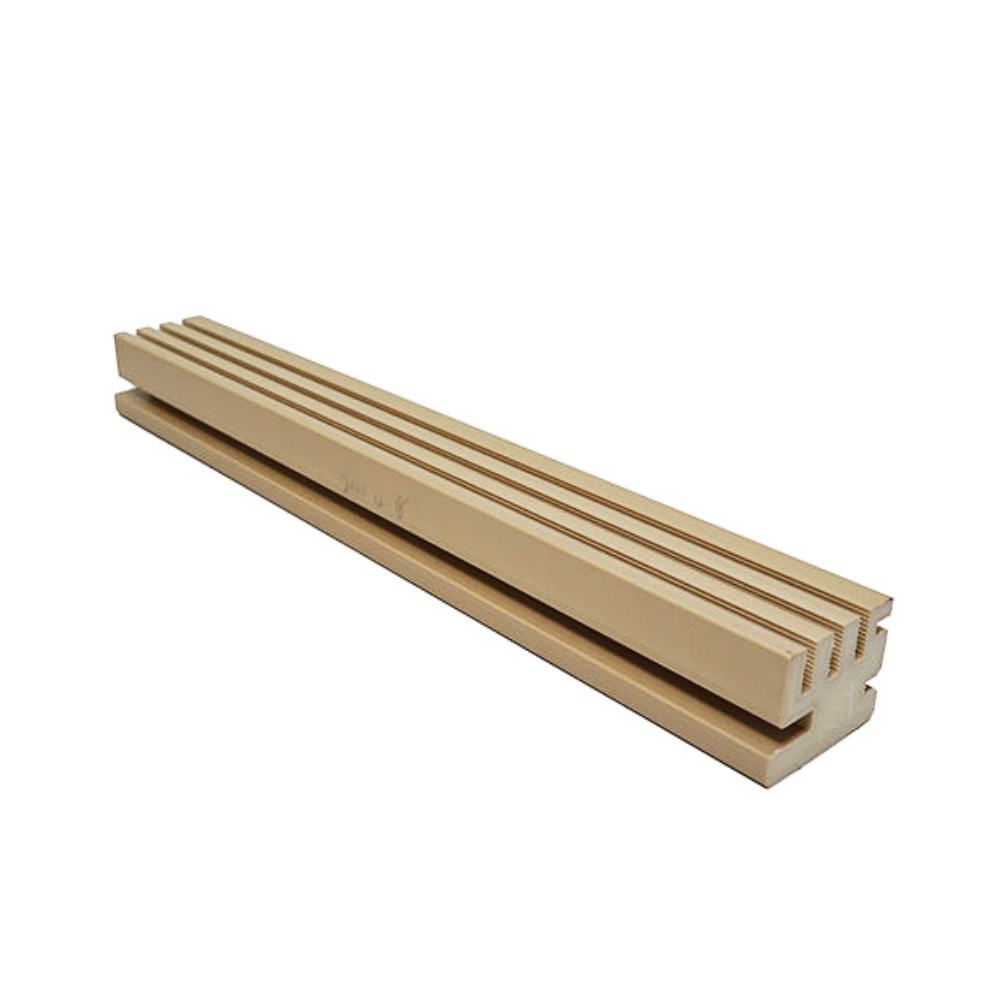
Heavy Duty PVC Door | Commercial Storefront Retail Entrance Durability
$2.50 - $18.00 per sqm
View Details
Thermal Insulated PVC French Doors | Weatherproof Garden Patio Access
$2.99 - $27.9 per sqm
View Details
Ready to Start Your Project?
Contact us today for a competitive quote and professional consultation
Contact Us Now