
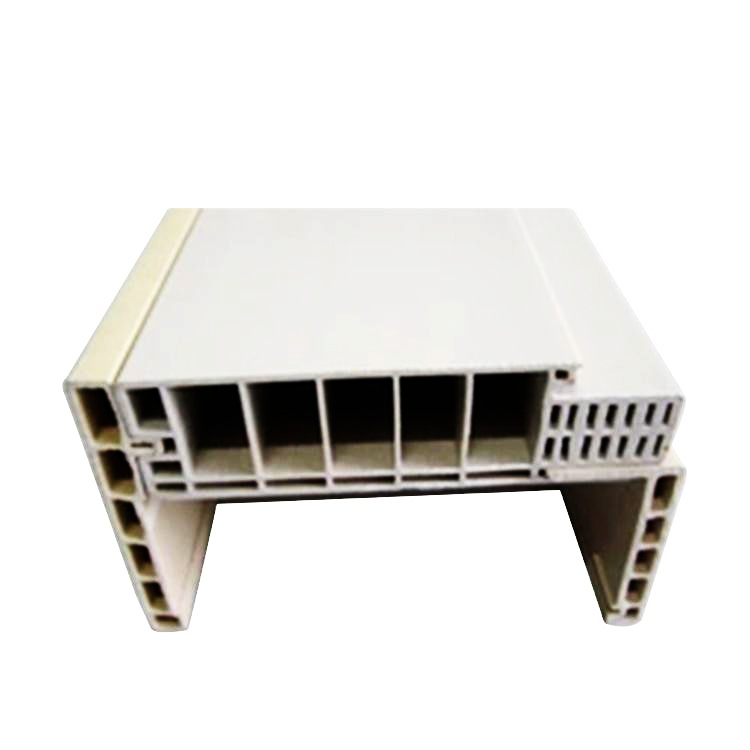
Waterproof Moisture-Resistant PVC Door | Bathroom Wet Area Privacy Solution
Material: High-density rigid PVC foam core with laminated film; Spec: 35mm thickness, standard 2000x800mm; Surface: Matte wood grain / solid color moisture-proof film; Feature: 100% waterproof, anti-swelling, termite-proof; Scenario: Bathroom door and wet area privacy partitions; Benefit: Zero-maintenance, highly durable PVC doors that resist humidity and prevent warping in high-moisture environments.
MOQ: 100 sqm
Key Features
- Waterproof & Moisture-proof
- Anti-corrosion & Anti-termite
- UV Resistant & Fade Resistant
- Low Maintenance & Easy Clean
- Eco-friendly & Recyclable
- Long Service Life
Product Details
Last month, a contractor in Florida called us. He was frustrated. He'd just ripped out a batch of MDF bathroom doors that started swelling at the bottom after only eight months. "It's the humidity," he told us. "They just can't take the steam." He’s not alone. We see this all the time. Wood and MDF doors in wet areas are basically ticking time bombs. That’s exactly why we engineered this specific PVC door for bathrooms. It’s not just a door; it’s a complete moisture-management solution.
Why This PVC Door Is Perfect for Bathroom Door Applications
Let's be honest, bathrooms are harsh environments. You’ve got hot showers, splashing water, and zero ventilation in some older builds. Traditional doors absorb that moisture. They swell, the hinges sag, and the paint peels. Sound familiar?
Our waterproof PVC bathroom door completely sidesteps these issues. Because the core is 100% rigid PVC foam, it literally cannot absorb water. You could submerge the bottom rail in a bathtub for a week, and it wouldn't swell a millimeter. For contractors and wholesalers, this means zero callbacks for warped doors. For homeowners, it means a door that actually looks good a decade from now.
Key Features for Bathroom Door Installations
We don't just slap a "waterproof" label on it and call it a day. Here’s what actually makes this door work in a high-humidity scenario:
100% Waterproof PVC Foam Core: Unlike hollow-core or MDF alternatives, our dense PVC core repels water entirely. No swelling, no delaminating.
Anti-Fungal Surface Film: Bathrooms get moldy. Our laminated surface includes anti-fungal properties that stop black mold and mildew from taking root on the door face.
Heavy-Duty Hardware Reinforcement: Here's the thing—PVC is lighter than solid wood. To prevent hinge sag over 10,000 open/close cycles, we embed solid wood or steel reinforcement blocks right where the hinges and lock go.
B1 Fire Rating: Safety matters, even in a bathroom. It meets B1 fire retardant standards, giving you peace of mind without compromising on moisture resistance.
True Privacy Acoustic Dampening: We know privacy is the main point of a bathroom door. The dense 35mm core blocks sound much better than cheap hollow doors, so you don't hear every splash.
The Real-World Benefits (Beyond Just "Not Rotting")
Look, "waterproof" is the baseline. But what does this actually mean for your daily operations or your client's life?
For one, maintenance drops to near zero. You don't need to repaint a PVC bathroom door every three years. A quick wipe with a damp cloth handles toothpaste splatters, hairspray, and soap scum.
Then there's the cost angle. Yes, a high-quality PVC door might run about 15-20% more upfront compared to a basic hollow MDF door. But when you factor in the 15-year warranty and the elimination of replacement costs due to water damage, the lifecycle cost is actually lower. Roughly 70% of our commercial clients—hotels, gyms, apartments—switch to PVC after dealing with two rounds of MDF replacements.
Installation Tips for Bathroom Door Projects
Even the best door fails if installed wrong. From what we've seen on job sites, here are a few things to keep in mind:
First, leave the right gap. We recommend a 5mm to 8mm clearance at the bottom. Yes, it's a bathroom, but you still need airflow to let steam escape and prevent vacuum-locking when the door closes.
Second, seal the top edge. While the door itself is waterproof, the top edge (if cut) should be sealed with a clear silicone bead if you're installing it in a steam room or an unventilated shower enclosure. For standard bathrooms, the factory edge-seal is usually enough.
Finally, use stainless steel or zinc-alloy hinges. Don't use cheap carbon steel hinges in a bathroom. The ambient humidity will rust them in a year, and then the door will drag.
FAQs About Bathroom PVC Doors
Can I paint this PVC door if I want a custom color?
Honestly, we don't recommend it. The factory-applied laminated film is designed to last 15+ years without peeling. Paint doesn't stick well to PVC without a specialized primer, and it defeats the purpose of the low-maintenance finish. We offer over 40 standard colors and wood grains instead.
Does it feel hollow or cheap when you knock on it?
That depends on the core density. Our 35mm and 40mm solid PVC foam cores are quite dense. It doesn't have the heavy thud of a solid timber door, obviously, but it doesn't sound like a cheap hollow cardboard door either. It has a solid, muted knock.
How do you handle the lock and hinge cutouts?
We pre-reinforce the hinge and lock areas with solid inserts during extrusion. Your installers can just route or drill them out on-site exactly like they would with wood. No special tools needed.
Upgrading to a waterproof PVC bathroom door isn't just about fixing a rotting frame. It's about installing a product that actually respects the environment it lives in. If you're tired of replacing doors every few years, it might be time to make the switch.
Frequently Asked Questions
Related Products
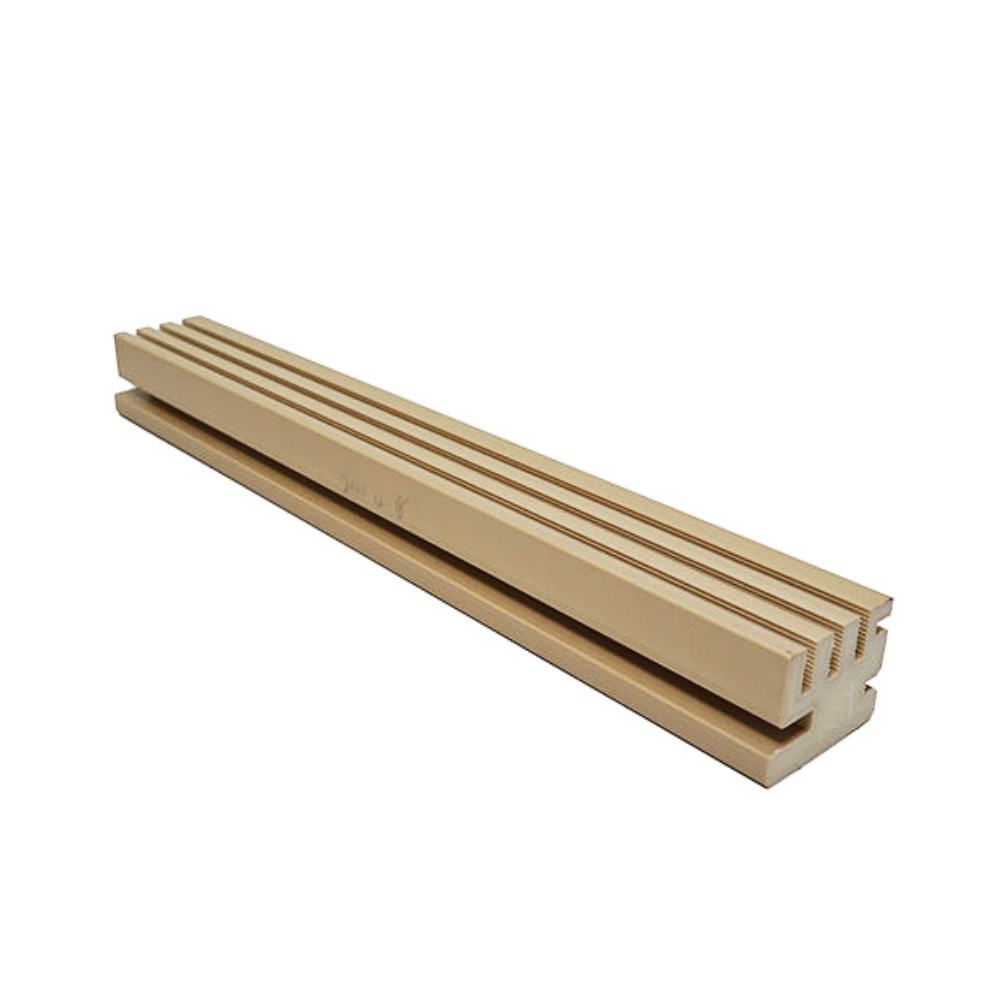
Heavy Duty PVC Door | Commercial Storefront Retail Entrance Durability
$2.50 - $18.00 per sqm
View Details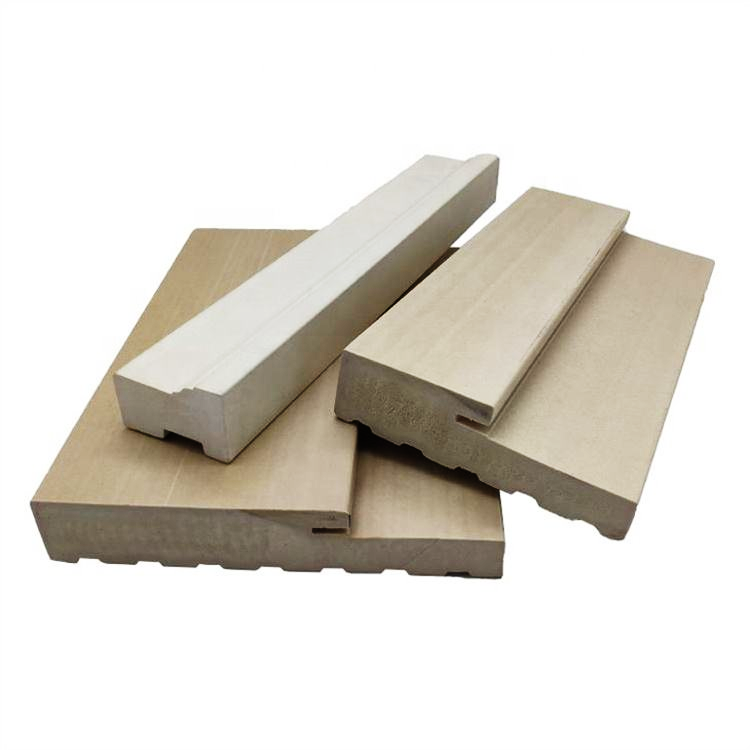
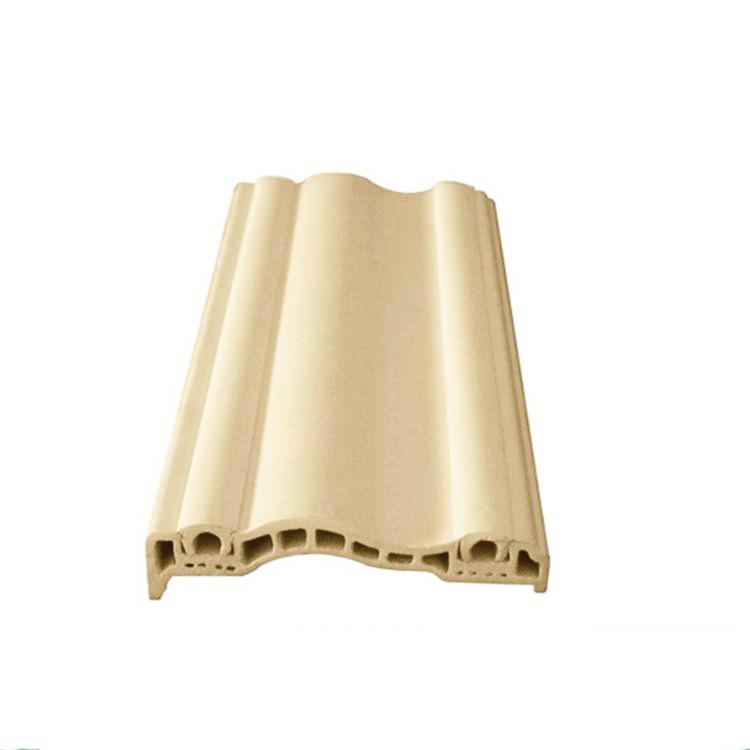
Thermal Insulated PVC French Doors | Weatherproof Garden Patio Access
$2.99 - $27.9 per sqm
View Details
Ready to Start Your Project?
Contact us today for a competitive quote and professional consultation
Contact Us Now