
Thermal Insulated PVC French Doors | Weatherproof Garden Patio Access
Material: Rigid uPVC with multi-chamber reinforcement; Spec: 60mm frame depth, double leaf configuration; Surface: Smooth matte finish with integrated blinds; Feature: Argon-filled thermal glass panels, triple-weather sealed; Scenario: garden french door; Benefit: Energy-efficient, rot-proof patio access that actually keeps the drafts out
MOQ: 100 sqm
Key Features
- Waterproof & Moisture-proof
- Anti-corrosion & Anti-termite
- UV Resistant & Fade Resistant
- Low Maintenance & Easy Clean
- Eco-friendly & Recyclable
- Long Service Life
Product Details
Last month, a contractor in Florida called us. He was absolutely furious about a wooden French door installation that warped after just one humid summer. "They look great in the showroom," he told me, "but out here? They're a total nightmare."
He’s not wrong. Wood has its charm, sure. But when you're dealing with a massive double leaf setup opening up to a garden, the elements don't care about aesthetics. Rain, UV rays, and temperature swings will wreck traditional materials in a few seasons.
That’s exactly why we shifted our primary focus to uPVC for garden french door applications. We've seen that homeowners and contractors alike are tired of repainting and resealing. They just want a door that works.
The Reality of Garden French Doors
Here's the thing about standard patio doors: they leak air. It's just a fact of life with older designs. But with our multi-chamber uPVC profile, we're talking about a 40% reduction in thermal transfer compared to basic aluminum frames.
When you're framing a garden view, you want the glass to be as expansive as possible. The catch is, more glass usually means worse insulation. We solved this by using argon-filled double glazing that drops the U-value down to 1.1 W/m²K. It keeps your HVAC bill from skyrocketing when you're staring out at the garden in the dead of winter.
We export to over 50 countries, and the feedback is pretty consistent: people want doors that look high-end but don't rot when it rains for a week straight. The smooth matte finish gives you that modern, minimalist European vibe without the maintenance headache of real timber.
What Actually Matters for a Garden Setup
You might be wondering what separates a premium uPVC door from the cheap stuff you find at a big box store. It usually comes down to the hidden engineering.
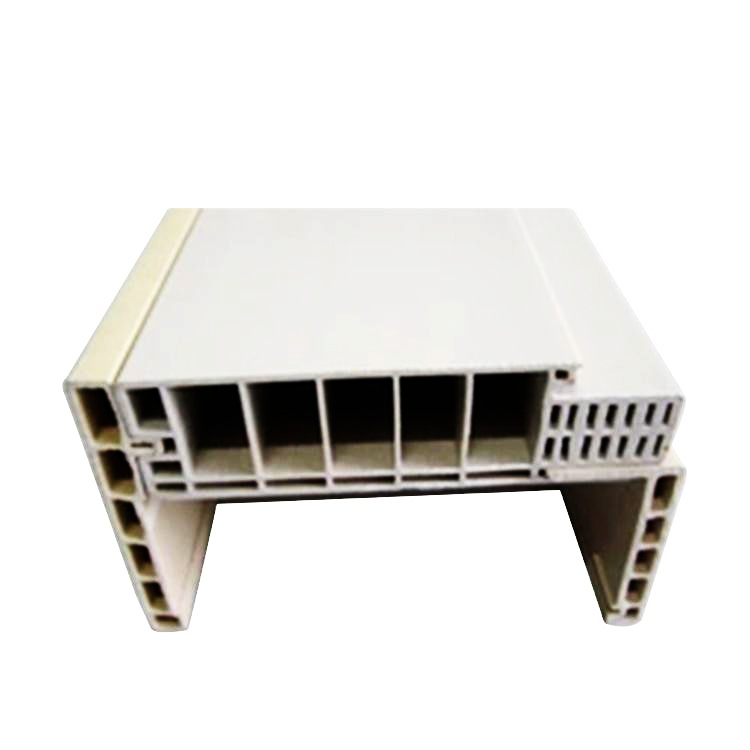
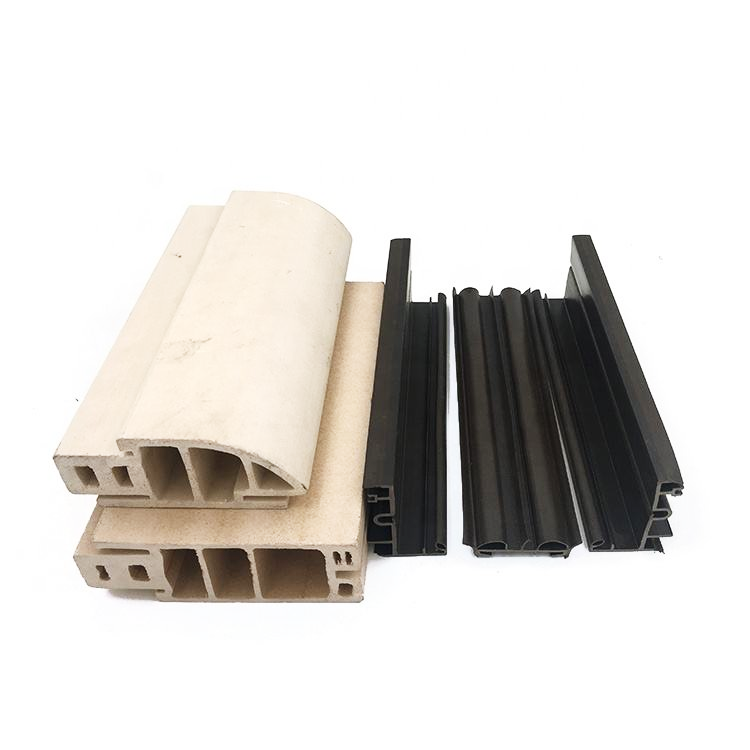
Multi-chamber thermal break: We use a 60mm frame depth with 5 internal chambers. This traps air and stops thermal bridging, meaning the inside frame doesn't get freezing cold in winter.
Argon-filled double glazing: The gas between the glass panes acts as an invisible insulator. It also dampens outside noise, so your garden party doesn't drown out the living room TV.
Triple-point locking system: Security matters, especially with large glass panels. When you turn the handle, three heavy-duty hooks engage the frame. It makes the door feel like a bank vault.
Integrated drainage channels: Wind-driven rain happens. Our frames have hidden weep holes that let water escape without ruining the interior sill.
UV-stabilized co-extruded finish: Our UV Grade 4-5 rating means the color won't fade into a chalky mess after a few brutal summers. It looks the same in year ten as it did on day one.
Installation Quirks You Won't Find in the Manual
Let's be honest, installing a double leaf unit isn't like hanging a standard interior door. The tolerances are incredibly tight. If your rough opening is off by even 3/8 of an inch, you're going to have binding issues with the active leaf.
Here’s what we usually recommend to our installers. First, don't just eyeball the level. Use a laser level for the threshold. If your subfloor isn't perfectly flat, the heavy glass panels will drag and eventually ruin the weather seals.
Second, use shims every 16 inches along the jambs. And whatever you do, don't overtighten the screws. I can't tell you how many times we've seen a frame bow inward because someone cranked a drill too hard. uPVC is strong, but it will flex if you bully it.
Finally, make sure the active leaf is adjusted for a tight compression seal against the weatherstripping. You want it snug, but it shouldn't require a shoulder check to close.
Let's Talk About the Downsides
Is it perfect? No. The one downside we see fairly often is the initial cost. It’s roughly 15-20% more expensive upfront than basic aluminum or vinyl alternatives. And if you want a deep wood-grain texture, the embossed options cost a bit more than the smooth matte.
There's also the weight. These things are heavy. You really need a two-person crew just to move them into the opening without scratching the glass.
But from what we've installed, the maintenance savings pay for that price difference in about three to four years. No painting, no sealing, no warping. Just wipe them down with soapy water and forget about them.
Quick Answers to Common Questions
Can I paint the PVC frames if I change my mind later?
Honestly, we don't recommend it. PVC expands and contracts with temperature changes. Standard paint will crack and peel within a year. If you want a different color, you're better off ordering a custom foil wrap from us.
How well do they seal against heavy storms?
They're tested to withstand wind-driven rain and pressures up to 130 mph. The frames also carry a B1 fire rating, which is a massive plus for commercial contractors needing to meet strict local building codes.
Do the glass panels get cloudy over time?
Not if the IGU (insulated glass unit) seal holds. We use a dual-seal butyl and polyisobutylene system. Realistically, it should last 20 to 25 years without failing, even in harsh coastal climates.
Upgrading your garden access shouldn't mean signing up for a lifetime of maintenance. If you're ready to spec these out for your next project, reach out to our team.
Frequently Asked Questions
Related Products
Heavy Duty PVC Door | Commercial Storefront Retail Entrance Durability
$2.50 - $18.00 per sqm
View Details
Ready to Start Your Project?
Contact us today for a competitive quote and professional consultation
Contact Us Now